
From the desk of: Dr Christin Hoffman et al., Population Health Sciences - University of Bristol
Funded by the NIHR and published July 7 2025 in British Journal of Surgery.
By Corin Hadley, SciTech Editor
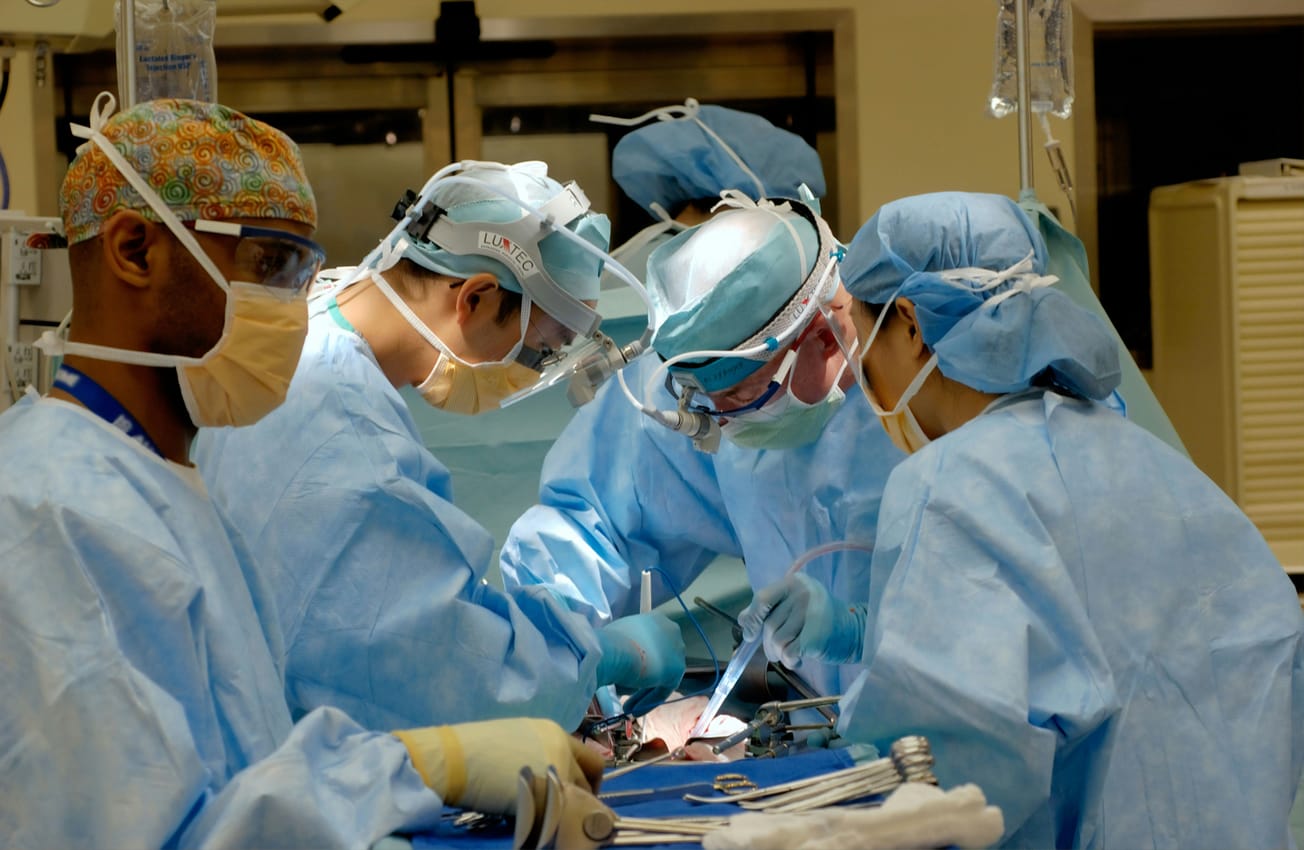
Following public outcry and an ensuing inquiry, new guidance on what you need to know before undergoing surgery (especially if new and possibly risky) was published this week.

Unlike medicines, new surgical procedures do not undergo an extensive approval process. In a world of constant medical innovation, this has led to patients having surgery that resulted in life-altering complications - without completely understanding what they were signing up to.
The University of Bristol, the National Institute for Health and Care Research (NIHR), and the Bristol Biomedical Research Centre (BRC) collaborated with doctors, lawyers, researchers, and - most importantly - patients, to establish a seven step Core Information Set (CIS).
Before getting a surgery or having something implanted, ask your surgeon:
1 - What’s new and different about the procedure?
2 - Why was the innovation needed? Why is it better in your particular case?
3 - What are the alternative treatments?
4 - What is unknown or uncertain about the procedure? (About safety, how effective it is, whether the surgeon might have to abandon or modify the procedure)
5 - What's the surgeon’s level of experience and expertise on the innovation
6 - Who provides governance, oversight and accountability? How is safety regulated and will you be compensated if something goes wrong?
7 - Are there any conflicts of interest? Who stands to gain something from the procedure, but you?
These recommendations were developed after an inquiry into whether patients who received harmful surgeries were fully informed about what they were going to have done. It involved over 200 research publications, 130 patients’ experiences and the recommendations of dozens of healthcare professionals.
It might seem a bit weird, but you should probably give your surgeon a CIS!
Featured Image: National Cancer Institute