By Beth Nugent, Third Year, Film and Television
It’s dark outside, a cold winter wind is pounding at the windows and howling throughout your house. You are gathered around a blazing, warm fire, a cup of steaming hot chocolate clutched in your hand as you huddle together with friends and family. The perfect setting for the old-timey tradition of Christmas ghost stories...
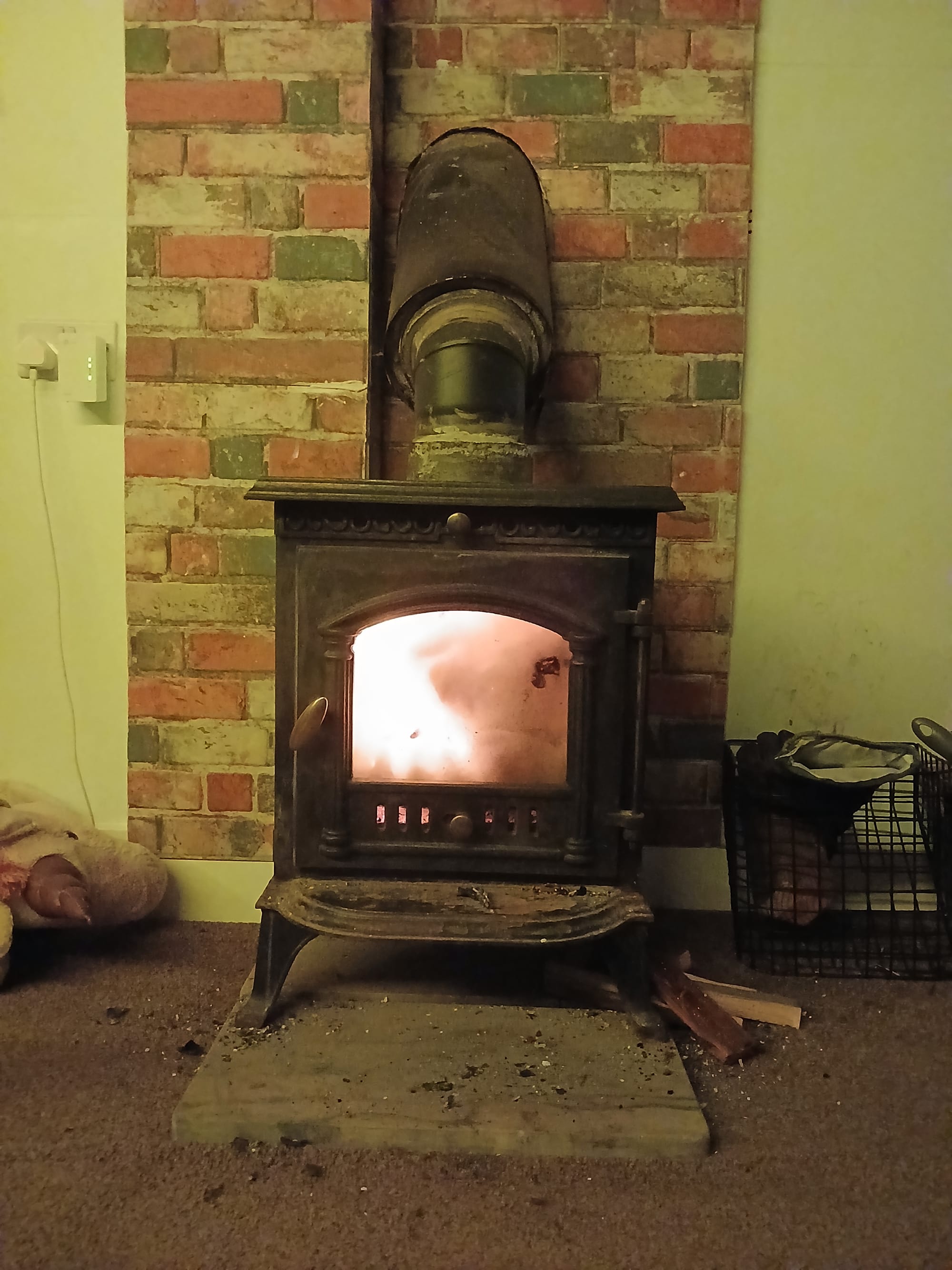
Before the famous A Christmas Carol hit the papers in 1843, Christmas ghost stories were already interwoven into our history, with origins in Yule and the Celtic winter solstice. Celtic beliefs were rooted in the idea that the winter solstice (the longest night of the year) was the time when the veil between the living and the dead was at its thinnest. It gave the community a chance to reconnect with their ancestors to give them spiritual guidance. The Irish referred to this day as grianstad, which translates to sun stop, connoting ideas of supernatural interference with our world. Alongside these beliefs, Germanic people in the early medieval period introduced the Yule log, which was a large log burned for 12 days to celebrate the winter solstice, where they would gather around and tell stories to pass the time. Although the exact origins are unknown, the combination between the supernatural connotations of the winter solstice and the tradition of storytelling around a fire creates a compelling case for the origin of ghost stories at Christmas.
Whilst tales of the supernatural and folklore were always present in human history, it wasn’t until the Victorian era that the tradition of Christmas ghost stories cemented itself within our culture. With the days getting shorter and the darkness creeping in earlier in the day, many people were unable to work late into the evenings. This resulted in people huddling in their houses by a fire, trying to keep warm and using the ancient tradition of storytelling to keep their minds busy and families entertained. It is also true that many people found the contrast of dark, cold nights with the most joyous day of the year too thrilling not to draw upon for their own storytelling benefits. These ghost stories perpetuated the ‘us’ vs ‘them’ complex. Whilst families were huddled inside, it was easier to build upon the fear of who might be out there, while they were inside, creating an enticing environmental contrast.
Moral underpinnings and lessons are common threads throughout Christmas ghost stories, and the Victorians capitalised on this idea of subliminal messaging, especially around Christmas. A popular publication at the time, The Household Words, cemented the ghost story as a festive tradition by releasing Christmas-focused ghost stories that confronted social issues and anxieties through fictional settings, whilst reaffirming Christian beliefs in a time of growing secularisation. This meant that through seemingly harmless tales, ideas and beliefs could be shared with one another through the stories that were being told or written.
Charles Dickens took his own approach to this idea with A Christmas Carol. This story garnered great success in the era of its publication and its legacy lives on to this day with a plethora of adaptations all hammering home the original themes and messages. The tale focused on self-reflection which encouraged readers to take a look at their own life to possibly come out of the Christmas season a better person than before. After his success with A Christmas Carol, Dickens began editing the Household Words Christmas issues, which included many more Christmas ghost stories.
 Yasmin Hussain
 Tom Henworth
However, Dickens himself admitted that the idea of ghosts around Christmas time felt disjointed and in a letter to his friend confessed that because of the multitude of Christmas ghost stories he’d written, ‘I feel as if I had murdered Christmas number years ago (perhaps I did!) And its ghost perpetually haunted me. As the years went on and Christmas became more commercialised, the idea of Christmas being anything less than the most wonderful day of the year consequently meant that scary ghost stories remained untold, apart from in cheery muppet form and thus the tradition died out.
Whatever the reason for filling the long nights with eerie tales, there’s no doubt that they’ve got their place in history, and maybe this Christmas, after the turkey and stuffing, you might be tempted to sit around the fire and tell a story as the veil between our two worlds melts away…
Featured Image: Epigram / Hannah Corcoran
Which ghost story will you tell this Christmas?