By Millie Hicks, Third Year, Film and English and Betsan Branson Wiliam, First Year, French and German
In an era where ‘bed rotting’ will likely become an addition to the dictionary, and ‘doomscrolling’ seems to be the extra-curricular du jour, I propose a return to the good-old novel.
In case you’ve been blissfully unaware of the storm brewing online, the latest film adaptation of Wuthering Heights (2026), directed by Emerald Fennell of Saltburn (2023) fame, is slated for release on Valentine’s Day 2026, and it’s already sparked plenty of controversy. Fans of the novel have taken issue with Margot Robbie (Catherine Earnshaw) being ‘too old’ to play a nineteen-year-old, voiced concerns that Fennell will oversaturate the film with explicit sexual content given her Saltburn-shadowed reputation, and even questioned Charli XCX’s involvement in the score.
Amid the discourse, I found myself wondering why so many ‘classics’, or rather, high-brow novels, so rarely seem to get it right on screen. Perhaps some books are simply meant to remain just that: books. With that in mind, here are a few of my favourite novels whose film adaptations don’t quite measure up.
Wuthering Heights (1847) by Emily Brontë
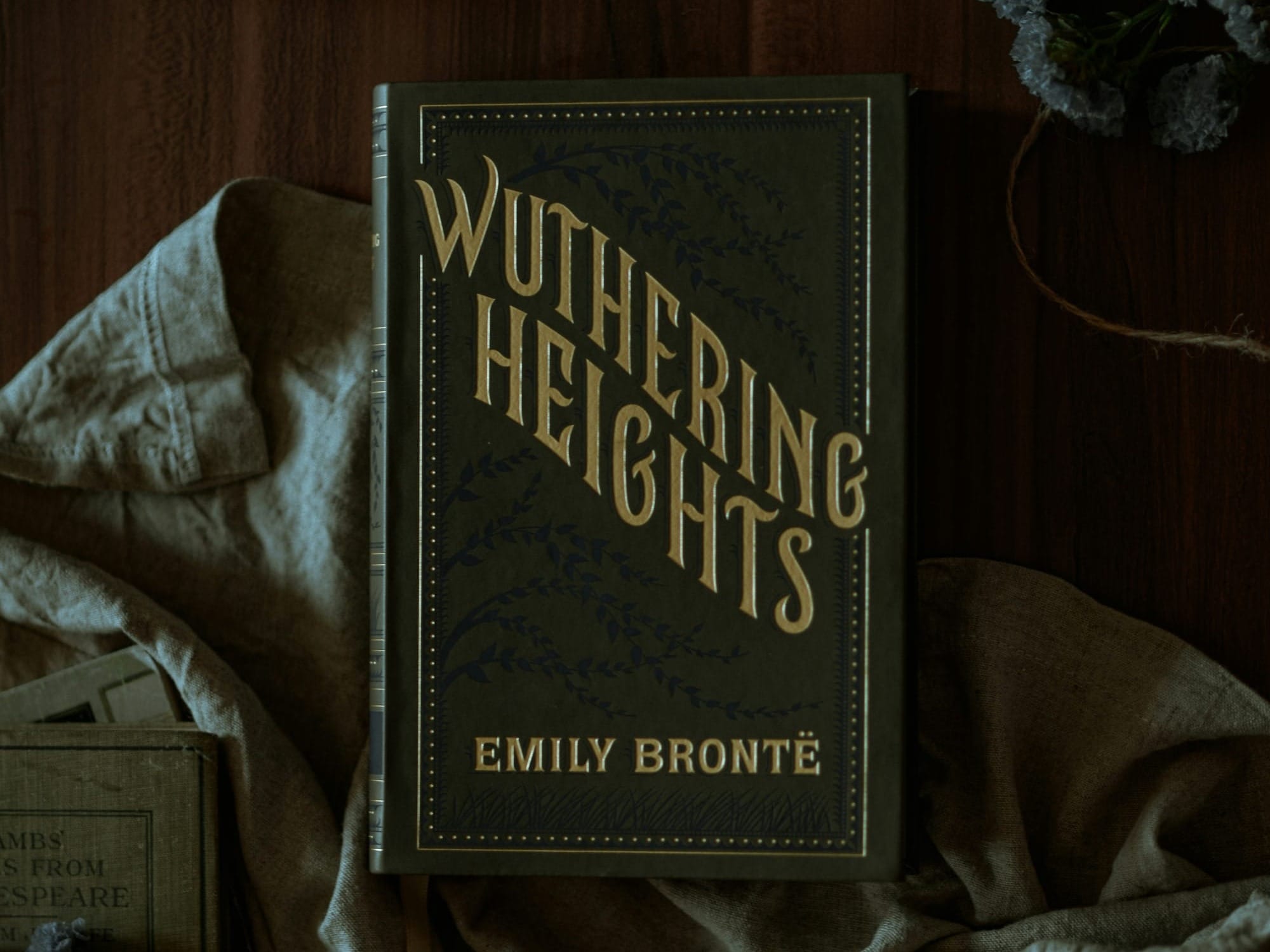
Historically, Wuthering Heights has enjoyed considerable success on screen. The most infamous adaptation is arguably the 1939 Academy Award–winning film starring Merle Oberon and Laurence Olivier, while the 1992 version featuring Juliette Binoche and Ralph Fiennes, in his film debut, also remains well known. But to appreciate the novel fully, we have to return to its origins.
In 1847, before the tragic series of Brontë family deaths, Emily Brontë published Wuthering Heights under the pseudonym Ellis Bell. The novel received a mixed critical response, including disapproval from her own sister, Charlotte Brontë, who dismissed it as the work of a 'wild' younger sibling, unable to recognise its beauty. Following the sisters’ deaths, however, the novel settled into its now-cemented status as a literary classic.
Its iconic, windswept West Yorkshire setting, a landscape that mirrors Cathy and Heathcliff’s untameable natures, the nuanced framing of Nelly Dean, and the intricate multi-generational family saga are just a few of the qualities that make the novel so enduring. They’re also why I return to it time and time again, especially at this time of year, something I’ve yet to experience with any of its adaptations. And, notably, I have never seen a film give Nelly Dean (our partial narrator) the importance she deserves.
The Handmaid’s Tale (1985) by Margaret Attwood
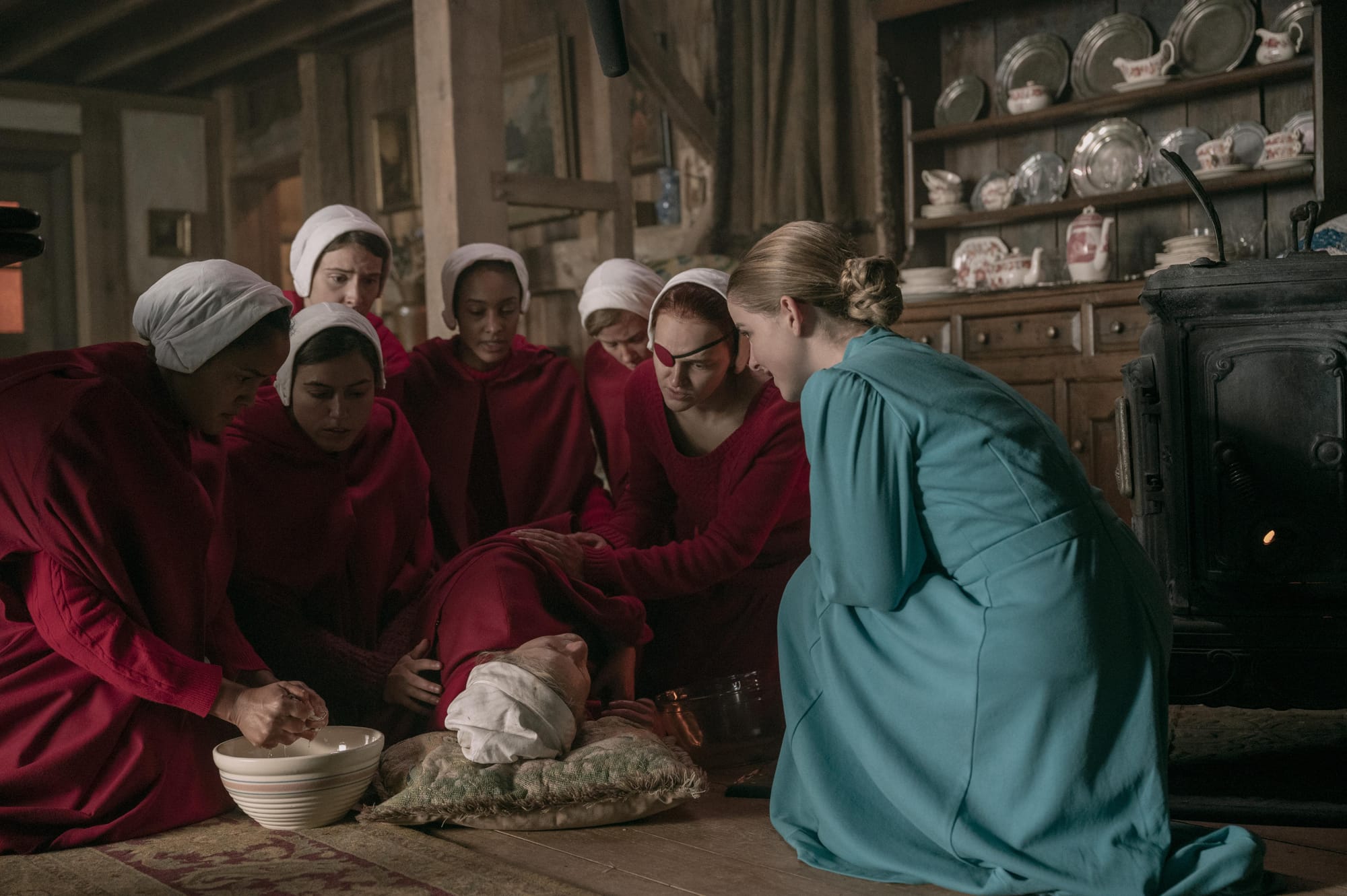
It seems certain that film adaptations of dystopian novels almost never manage to get it right. The Handmaid’s Tale is just one example of a highly regarded, arguably modern-classic dystopia that was done a disservice on screen. In fact, very few people seem to remember, or even know of, the film adaptation at all.
You might think you’re familiar with The Handmaid’s Tale on screen, but it’s important to distinguish between the 1990 film, starring Natasha Richardson and Glenn Close, and the later television adaptation which, unlike the film, earned widespread acclaim and a host of awards. The film itself was adequate at best; Harold Pinter, the screenplay writer and celebrated playwright, even attempted to have his name removed from the project.
Nineteen Eighty-Four (1948) by George Orwell
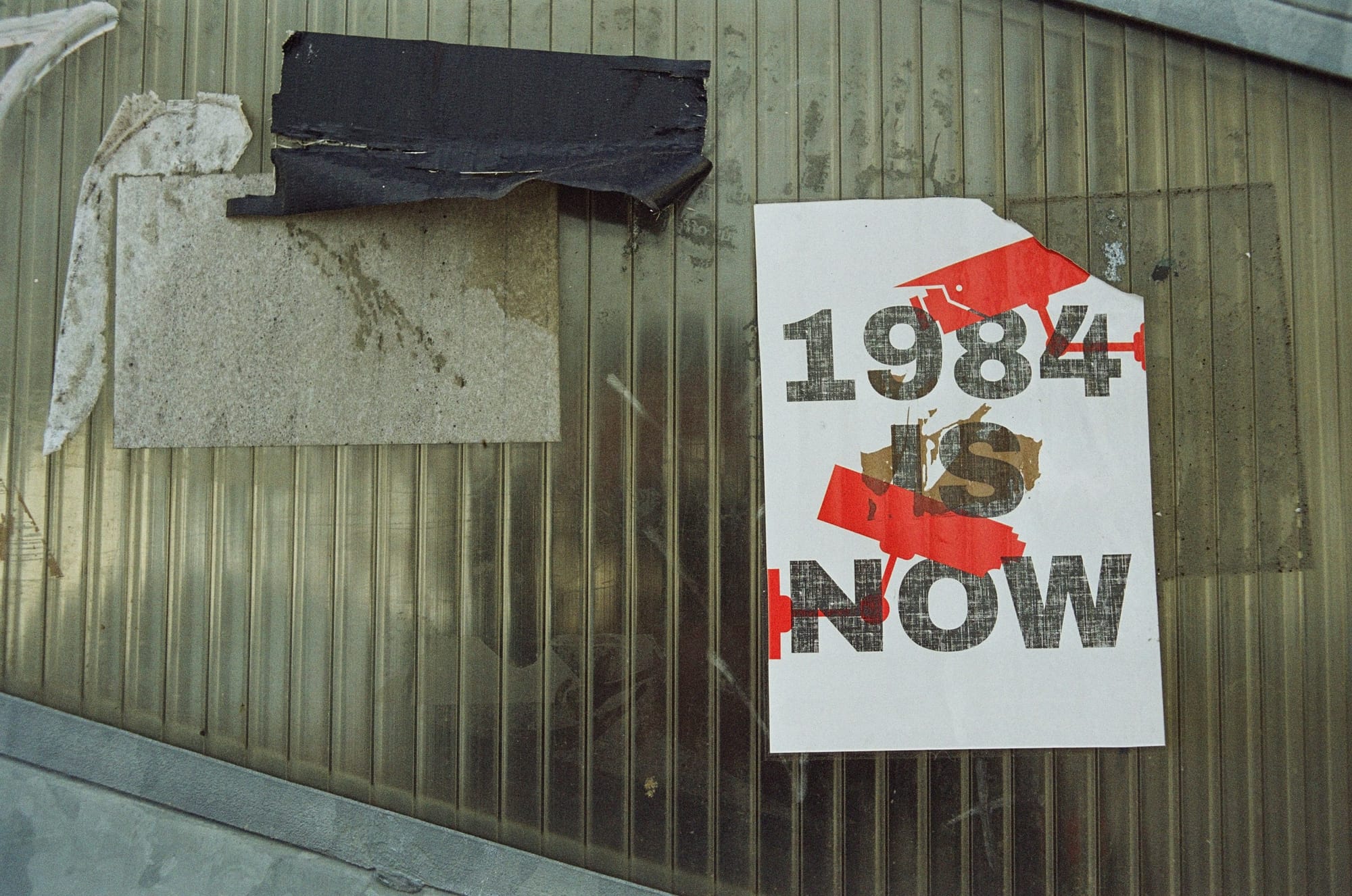
Similarly, the adaptation of Nineteen Eighty-Four leans far too heavily into the grotesque, indulging in the horror of ‘Room 101’ as though it might paper over the film’s numerous structural cracks. Arguably, neither Orwell nor Atwood ever intended their novels to be translated to screen, and the portrayals of Oceania and Gilead often feel disappointing to readers who understand that the true bleakness of these worlds lies in the machinery of their ruling regimes, not in their visual aesthetics. This is difficult to convey in a medium so dominated by surface and spectacle.
As a lifelong fan of cinema, I would love to see a truly successful adaptation of these novels in my lifetime. Yet, at the end of the day, nothing comes closer to an author’s vision than the novel itself. In an era of endless film and television, I find real comfort in knowing that the books I adored as an angsty teen will always remain the same.
People often lament that their childhood favourites have been ‘ruined’ by their film adaptations. To that, I say: read the book again. It will always be waiting for you — unchanged, and exactly as you remember it.
Don’t feel like burying your nose in a book? Look no further: here are my top picks for book-to-film adaptations that actually surpass their written counterparts.
If you’re a student, your set reading list probably feels endless, so it’s understandable if the last thing you want to do in your spare time is stare at yet another page. Fear not, I’m here to recommend four film adaptations that, in my opinion, outshine their source material. So toss the books aside and prepare to stretch your screen time even further. (What’s a few extra hours, anyway?)
The Muppets Christmas Carol (1992):
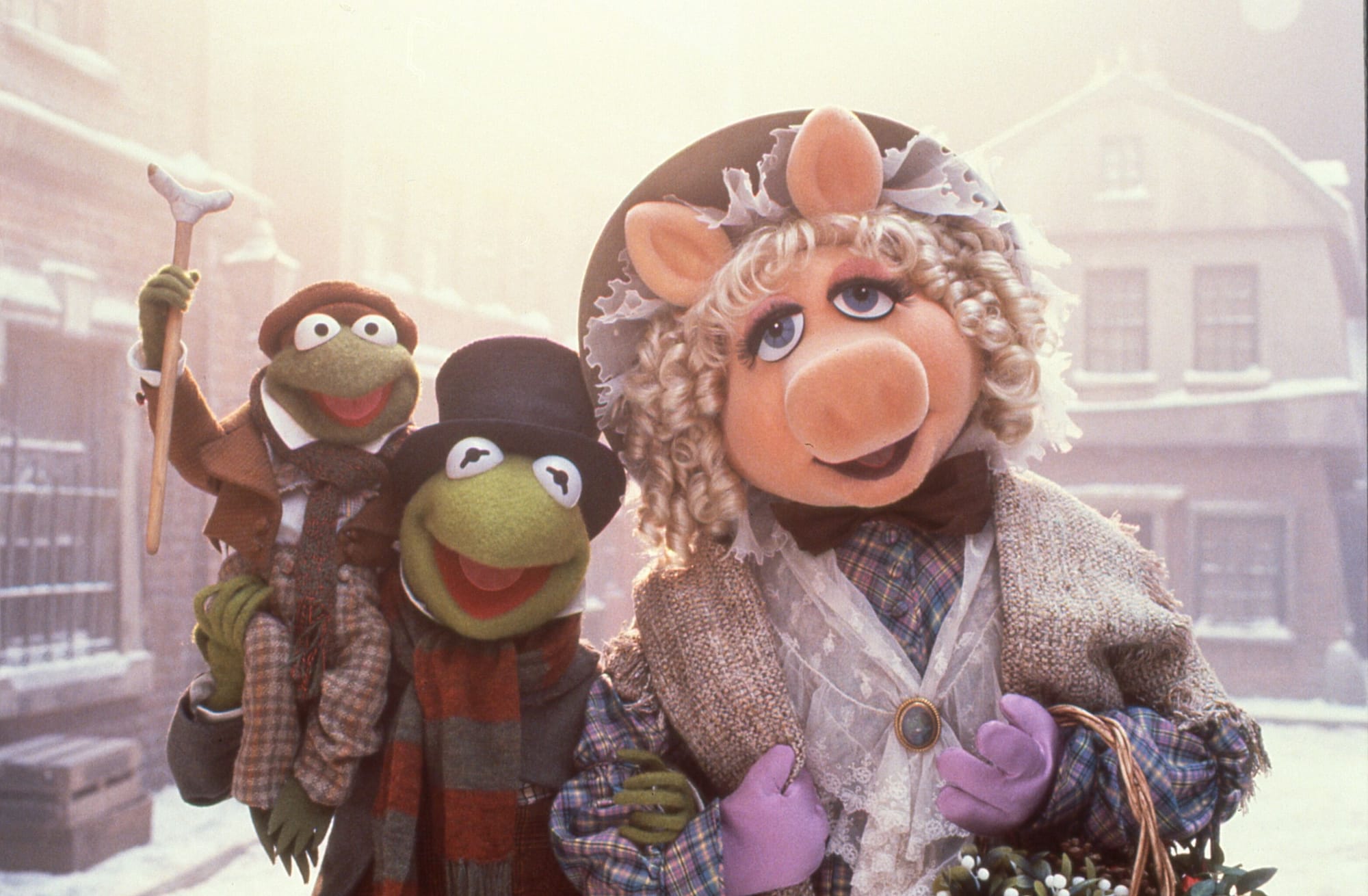
Starting off strong with a Christmas classic sure to get anyone into the festive spirit (even the most Scrooge-like among us…). Out of the many screen adaptations of Charles Dickens’ A Christmas Carol, it’s the presence of the beloved Muppets that makes this version the most heart-warming and spirited of them all.
With Kermit the Frog as Bob Cratchit and Gonzo stepping in as Charles Dickens himself, it’s impossible not to fall for Brian Henson’s The Muppet Christmas Carol. The film is packed with joyful Muppets in every role except that of Ebenezer Scrooge, played exceptionally by Michael Caine, ill-tempered and bah humbugging his way through Victorian London. As the only human in the production, his sincerity makes you forget entirely that all his scene partners are puppets.
Loyal to Dickens’ original tale while bursting with fantastic songs, magical set pieces, and Miss Piggy herself, this adaptation is, for me, far more enjoyable than reliving the GCSE flashbacks of reading the book. Sorry, Charles.
Misery (1990):
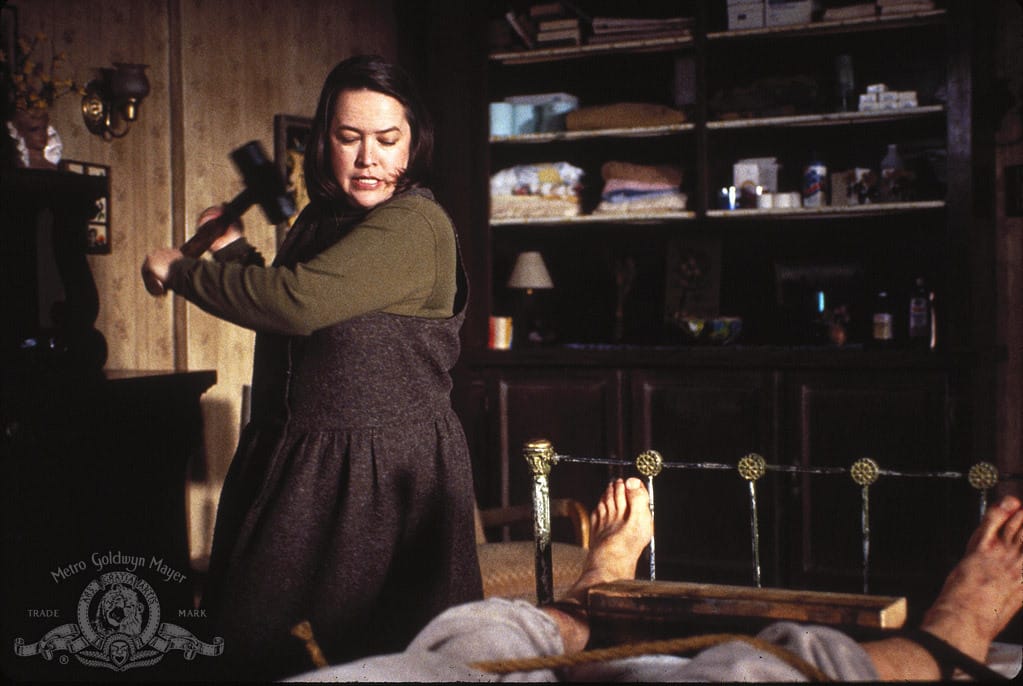
One of many Stephen King adaptations, Misery stars Kathy Bates as the unpredictable and violent Annie Wilkes, a woman who holds her favourite author (James Caan) captive after he kills off her favourite character in the latest instalment of his popular book series. The ultimate fangirl, one might say.
Tense, nail-biting, and oddly cosy, Rob Reiner’s take on King’s psychological thriller is the perfect film to watch curled up with, or hiding behind, a blanket, soaked in wintry ambience and snowy landscapes.
The novel is brilliant in its own right, but the dynamic between Bates and Caan is electric, bringing the characters to life in a way only film can. And if you don’t trust me, trust Bates’ Academy Award for Best Actress.
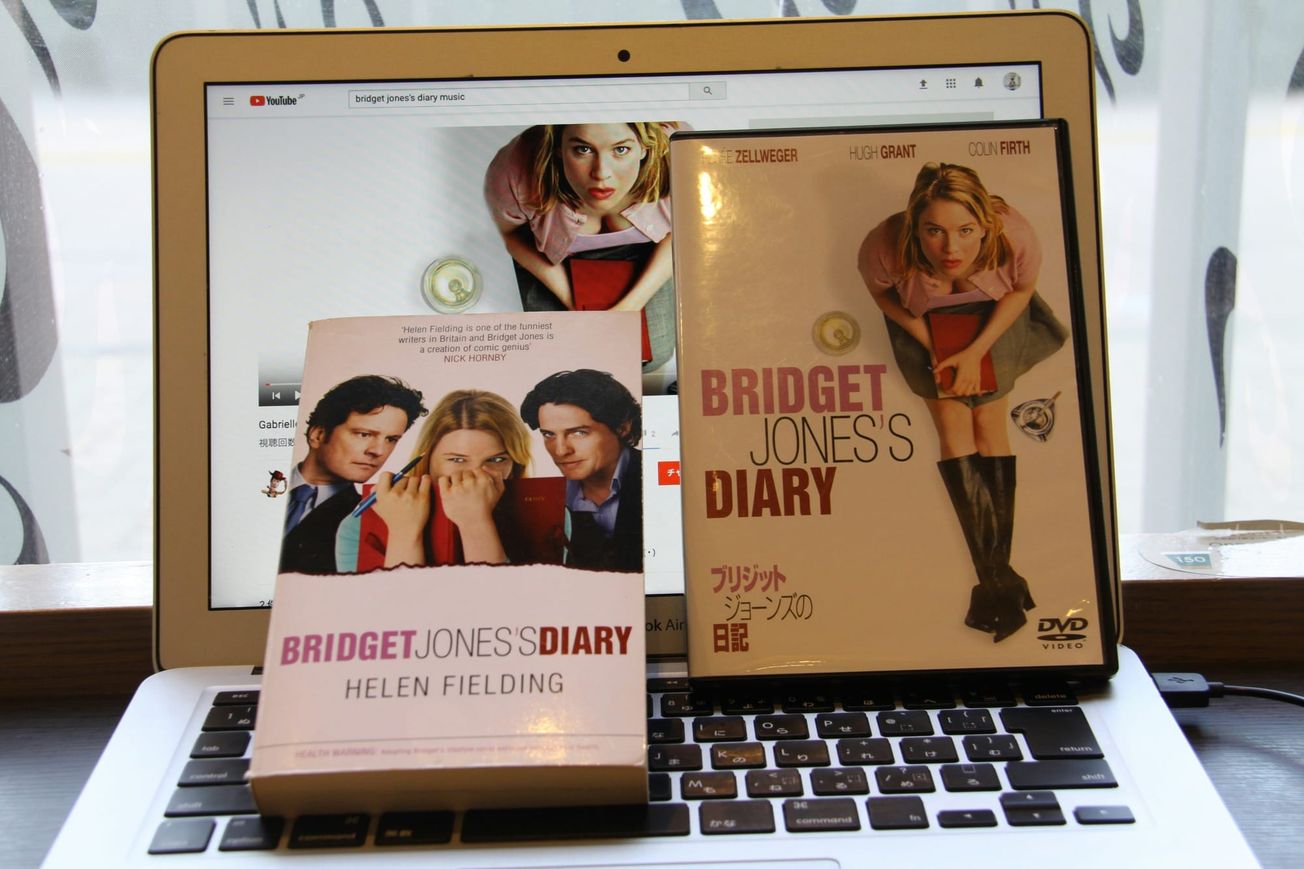
Bridget Jones’s Diary (2001):
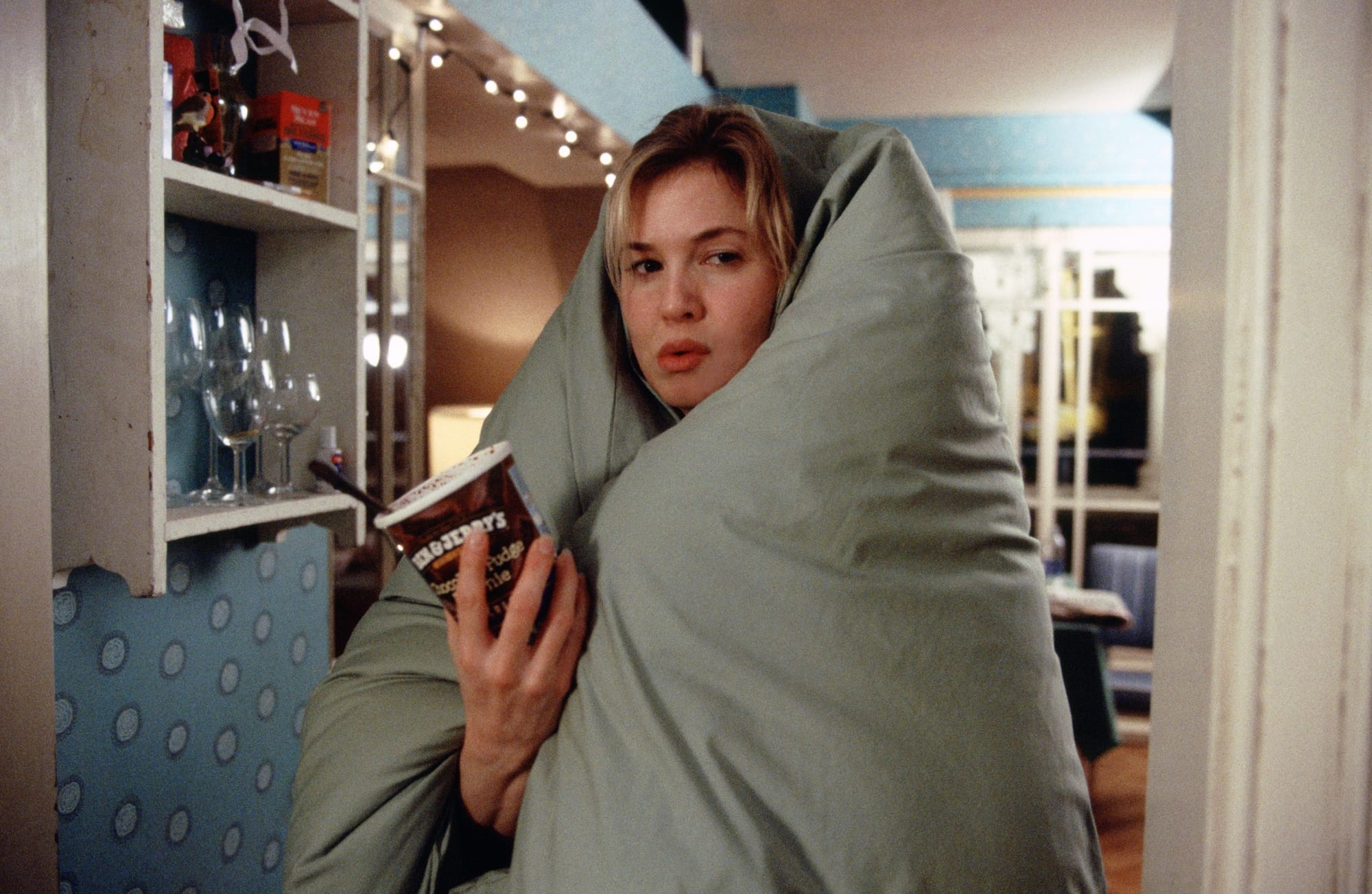
An early 2000s classic featuring perhaps the most relatable female protagonist of them all. Before she was the name on everyone’s lips in Chicago (2002), Renée Zellweger starred as the bumbling Brit Bridget in Sharon Maguire’s Bridget Jones’s Diary, the realest rom-com there ever was. We follow Bridget as she struggles with public speaking, drinks too much, navigates her overbearing mother, and accidentally flashes her underwear on live television, all while stuck in a love triangle between the brooding Mark Darcy (Colin Firth) and her inappropriately charming boss, Daniel Cleaver (Hugh Grant).
The casting here is impeccable, every actor is their character, right down to the supporting roles played by British icons Sally Phillips, Celia Imrie, and Jim Broadbent, to name just a few. And if you’re wondering why the film surpasses Helen Fielding’s original novel… well, one features Colin Firth in a reindeer jumper, and one doesn’t. I’ll let you do the maths.
Gone Girl (2014):
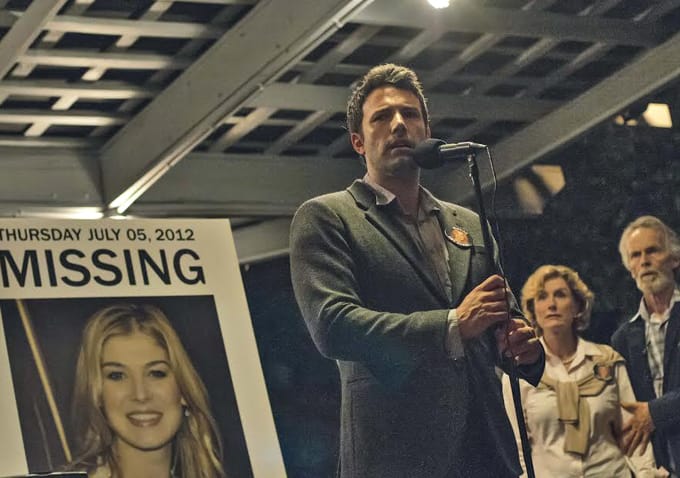
David Fincher’s Gone Girl is the ultimate ‘good for her’ film, with Rosamund Pike starring as our perfectly imperfect anti-hero, Amy Dunne — a character you can’t help but root for (or at least, I can’t). After years of pandering to her husband, Amy finally reaches breaking point, fed up with the deeply underwhelming life she’s found herself trapped in, and decides to do something about it.
Fincher’s noir-inspired direction suits the story perfectly, with the drab, desaturated cinematography only heightening the already gripping narrative. The film’s deliberate, meandering pace is captured flawlessly across its two-hour-and-29-minute runtime, while Ben Affleck fits the role of the scruffy, cheating husband perhaps a little too well.
With author Gillian Flynn herself adapting the screenplay, it’s no surprise that Fincher’s twisted cinematic take on her bestselling novel reigns supreme. How could it not? The moment Pike delivers the line, ‘I am so much happier now that I’m dead,’ I’m completely sold. No words on a page can replicate the chilling magnetism of her performance, particularly during the now-iconic ‘Cool Girl’ monologue, once you’ve heard it aloud, simply reading it doesn’t quite cut it.
I could go on, but some films felt too obvious, and I could practically sense the eye-rolls of die-hard bookworms ready to defend their favourite novels before I’d even dared to mention them. Still, I can’t resist a few honourable mentions. Fantastic Mr. Fox (2009) and Paddington (2014) are, of course, completely faultless.
Controversial as it may sound, some stories are simply better served by the screen than the page.
Featured image: Yosuke Ota / Unsplash
Team book or team film — which side are you on?