By Lottie Merchant, Second Year, English Literature
Over the last three years, the BBC’s The Traitors (2022-) has become the UK’s most watched live television show; with 11.7 million faithful viewers tuning in every episode. Since the original Dutch television series, De Verraders (2021), there is now about 30 different versions of The Traitors that have been produced with about 60 seasons in total all following this same concept.
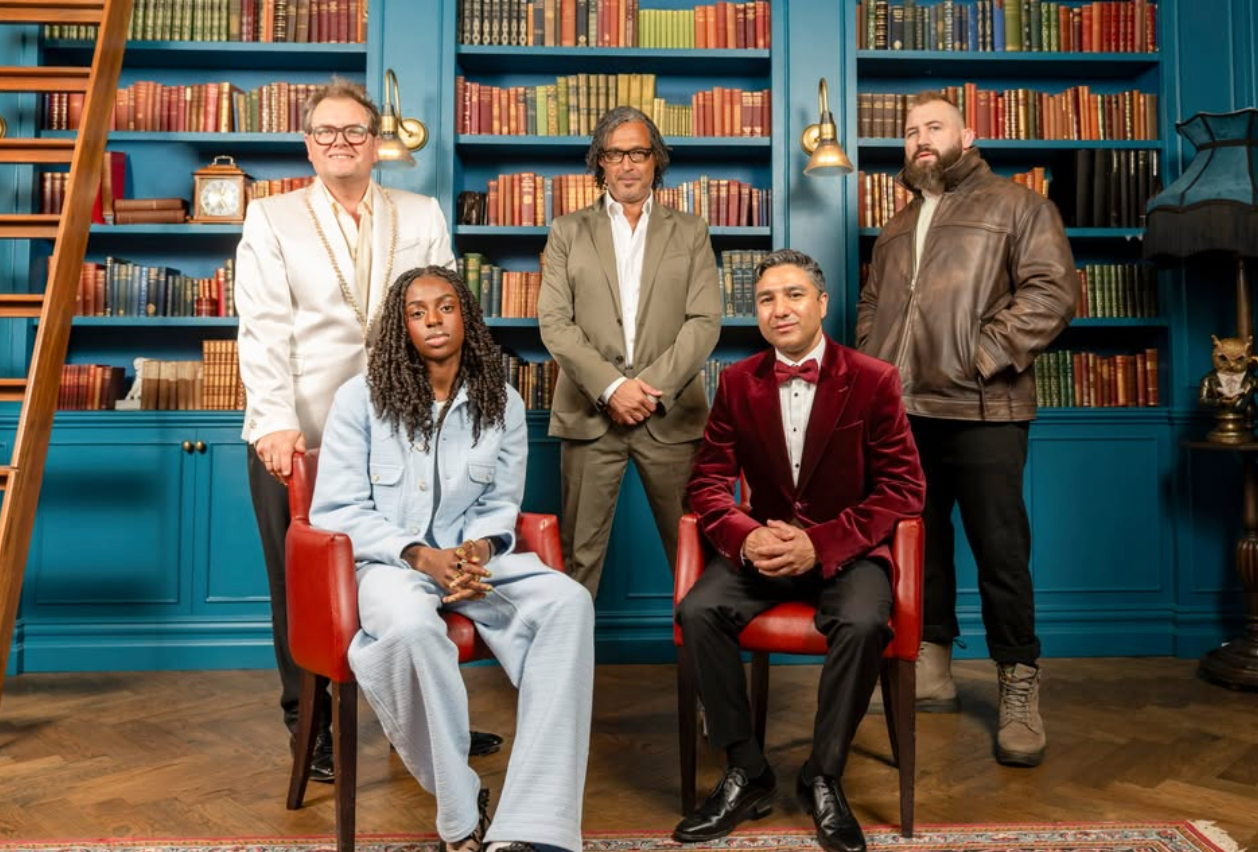
This October, the BBC unveiled a brand-new twist on its beloved franchise: instead of contestants from the general public, The Celebrity Traitors (2025) features an all-star cast. The series is packed with familiar faces and national treasures, including Stephen Fry, Alan Carr, and Celia Imrie. But how does the celebrity version differ from the original show, and does the change make it more or less entertaining?
The players of the original game (supposedly) meet each other on the first day of shooting. Meaning that, as far as I’m aware, the first day that they meet each other is also the same day they are divided into faithful and traitors. This removes any element of preconception of nature and character outside of the game itself. Although the celebrities may not share close personal friendships between each other, the main difference between the function of the original series and its celebrity counterpart lies in the player’s prior knowledge of one another, a result of the inherent familiarity created by celebrity culture. There is a fair argument that this knowledge and preconception of the fellow players corrupts the mechanisms of the game, turning The Celebrity Traitors into a game of ‘who would want to be a traitor?’ rather than one focused on psychology and deception.
The Traitors appeals to a larger group of people than most reality television due to its emphasis on strategy and psychology as well as its aspect of light-hearted conflict and drama. Faithful players have to scrutinise every action, indiscretion and body language of the fellow players in order to root out who is killing the faithful each evening. The round table meeting at the end of each episode strongly emphasises this aspect of the show, serving as the main stage for confrontation and drama.
Unlike the original show, The Celebrity Traitors suffers from the fact that not only do the celebrities bring to the table all the traitorous actions they noticed throughout the day, but also all of their preconceptions about each other. In particular, Niko Omilana, the first celebrity voted off at the round table, was targeted primarily due to the fact that he is a Youtuber who creates videos centralised around pranking people. The Celebrities all thought he would be someone inclined to choose to be a traitor due to his occupation and the personality he presents to the public eye.
This is the main reason why The Celebrity Traitors is a different game; the players aren’t using psychological tactics, they’re relying on their perceptions of peoples characters.
 Danielle Danaher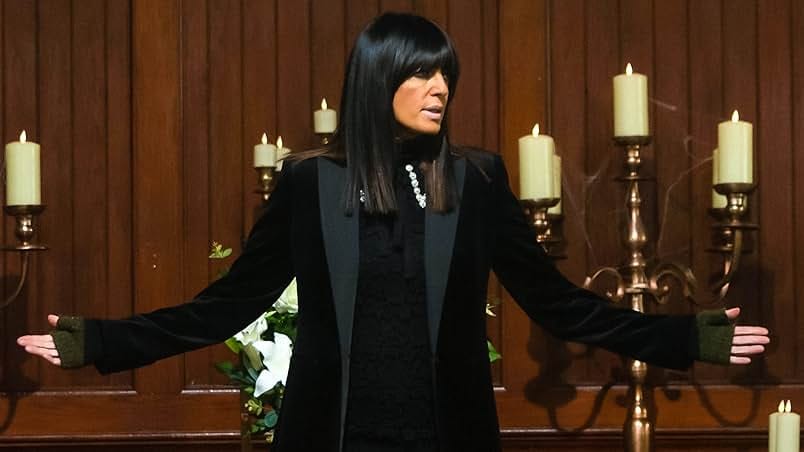
Another area in which the new series differs, is in the motivation. Whereas the players of the original game are incentivised by the cash prize, the celebrities are raising money for charity. From my viewing of the series, unlike the other two traitors, Jonathan Ross and Cat Burns, the third traitor, Alan Carr, didn’t seem as motivated to win the show. While this is largely a matter of interpretation and could relate to his comedic persona, it’s possible that Carr’s apparent lack of ambition stems from the charitable nature of the competition. Since the prize money is distributed among various charities, he may prefer it to be shared among several causes rather than awarded to just one.
In contrast to the original version, where players compete for personal gain, The Celebrity Traitors shifts the focus; contestants may care less about winning itself and more about how the prize is ultimately divided. I’m not trying to position Alan Carr as a philanthropist, but his more comedic approach is probably due to the fact that the money still goes to a good cause regardless of if he wins or loses.
 Keira Guy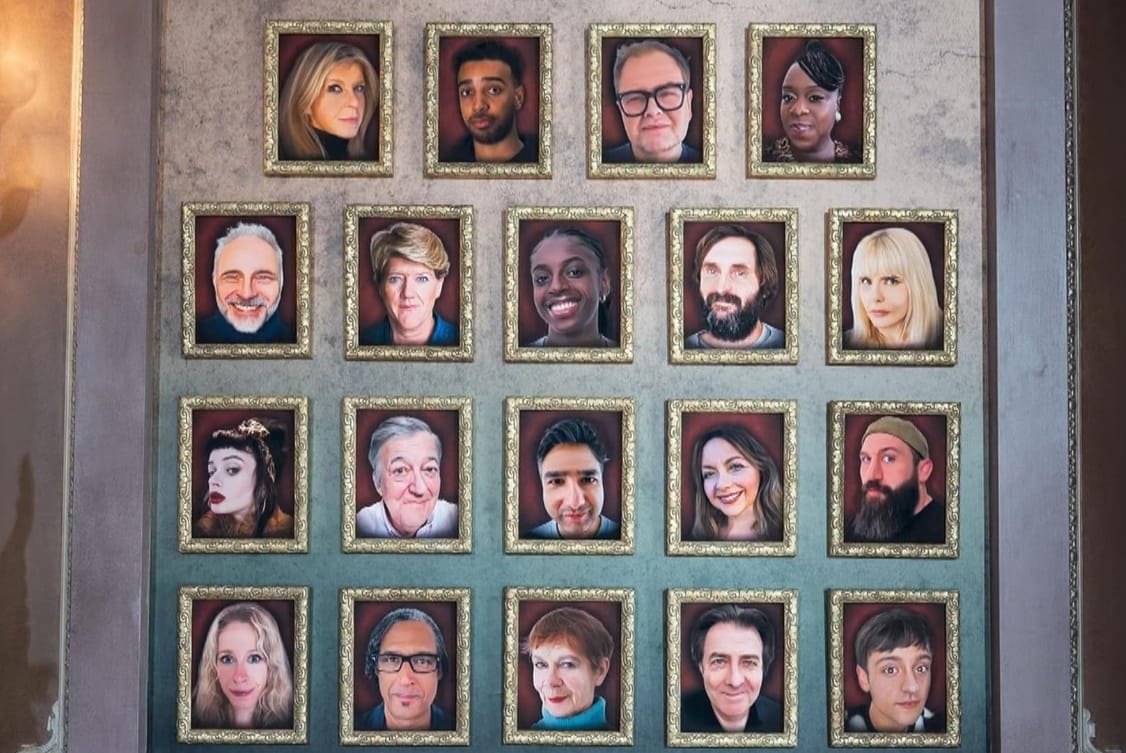
Undeniably, this series of The Celebrity Traitors was an incredibly enjoyable watch with great TV moments such as Celia Imrie’s inadvertent fart, Alan Carr’s tragic betrayal of Paloma Faith, and Kate Garraway’s iconic ‘I’m Flabbergasted’. Without looking too much into the technicalities and differences between the games, The Celebrity Traitors is as equally an entertaining series with its quintessential gothic tone (further characterised by Claudia Winkelman herself) and its cheesy cliffhangers. In fact, The Celebrity Traitors seems to almost parody the self-seriousness of the original seasons due to the more comedic and light-hearted aspect of the show.
The Celebrity Traitors is a thoroughly amusing watch, on parr with the original series in its quality and entertainment. However, where it exceeds the original in its comedic quality, it falters in its initial appeal - the bringing together of the psychological and strategical skills with reality style television.
Featured Image: Instagram / @plankpr
Did you prefer The Celebrity Traitors to its original counterpart?