
By Anna Reynolds, Third Year, English
Christmas in your twenties sucks.
For most of us, we can remember Christmas as the most exciting time of the year, and maybe the most exciting part of life. For me, it genuinely felt like the only thing worth living for as a child. The anticipation of a visit from Father Christmas, Cliff Richard on the radio, and making Christmas cards at school were just a few of the things behind this feeling of pure bliss.
Nowadays it seems Christmas is dominated by three external forces – commercialisation, consumerism, and change.
What caused this excitement as a child? Was it merely the prospect of gifts under the tree? Or was it the safety of a time that had no worries attached – no school, work or anything foundational to what makes up our generally dull routines. Or was it just a raw feeling of magic?
Now in my twenties, Christmas is quite the opposite. Everything “Christmas” causes a dull ache of nostalgia, happy memories now imposed by the hanging feeling that things will never be quite as good as they were back then.
Perhaps this love for Christmas can be reawakened. We just need to remove the distractions that the media imposes on us about Christmas and remind ourselves of our old mindsets. Sure, we can never get that feeling of being a child back, but we can certainly attempt to re-instil that same naivety and magic in the present and shed the pressure to engage in an ostentatious money-making show of festivity.
I think we can all agree that Christmas should be about gratitude and family. Yet it doesn’t feel this way. We are overshone by what the media wants us to believe. There’s something about the dire adverts on TV and the shop windows full of landfill that just makes me uneasy. How can this have been so incredible as a child, and now so hideous? Seeing garish Christmas merchandise plastered everywhere and the same Christmas songs blasting from the first week of November can get quite overwhelming, leading me to grunt with disdain at the season. Maybe I’m just being cynical, but it’s easy to think this commercialisation is what has ruined Christmas, when rather it’s partly because I’m now older and don’t make time to approach Christmas in a way that leans away from this.
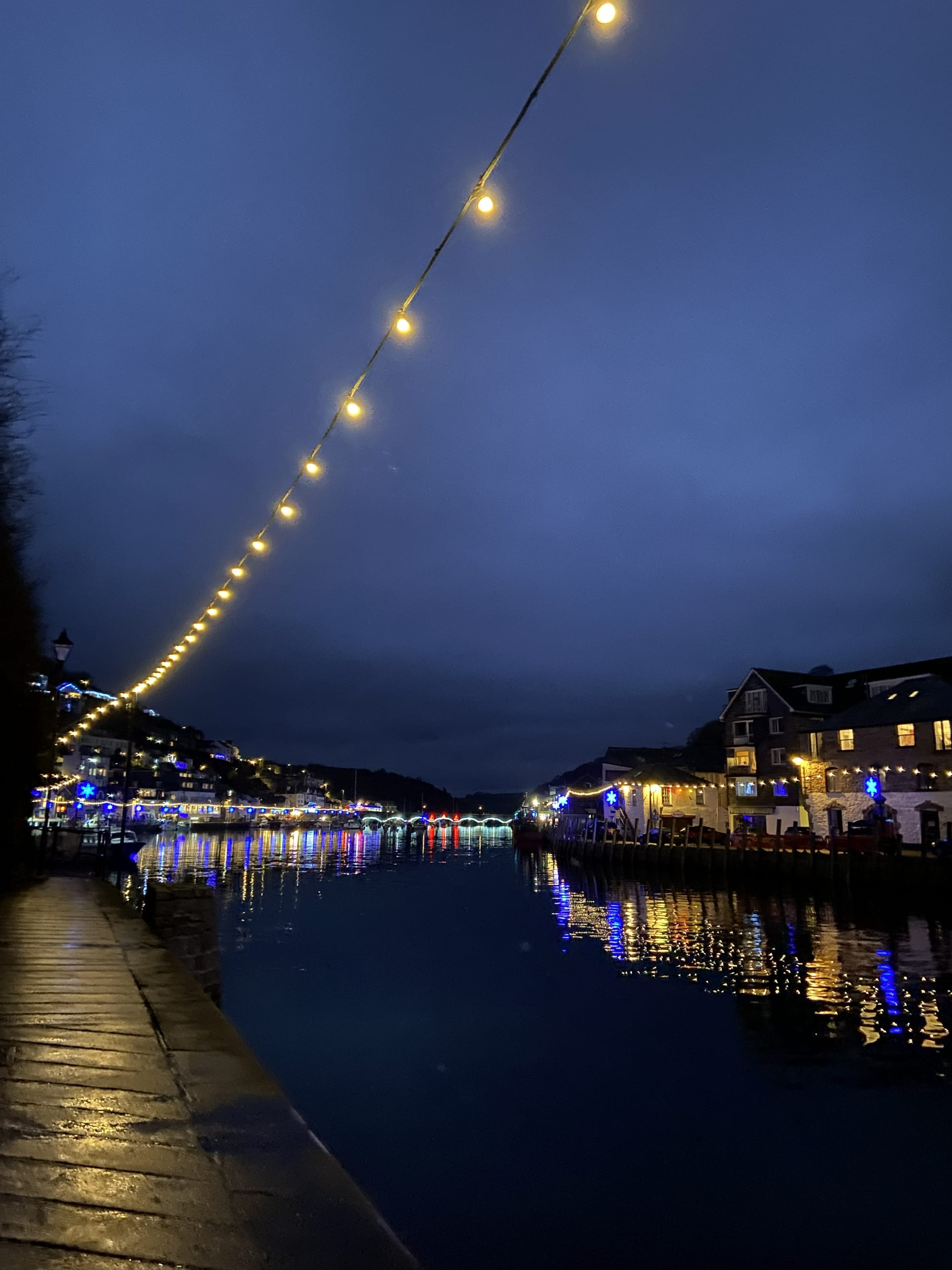
For some facts, the commercialisation of Christmas has grown from the early nineteenth century to now. This gradual shift came from extensive advertising and marketing and so led to competition such as the need to have the best decorations, which ultimately led Christmas to become a game of money and consumption.
The commercial side of Christmas has always been present in our lifetimes, but it’s rather that now we notice it. For those that feel as I do, are we craving what we believed Christmas itself used to be, or are we just craving our childlike sense of unknowing and ignorance, purely blinded by excitement?
I think it’s also hard to feel warmth towards Christmas when most of us are in a time of such change. We’re half moved out; uni isn’t home, but home also doesn’t really feel like home anymore. We’ve lost this sense of belonging that most of us were lucky enough to have, without even noticing it.
Perhaps mentally I am glorifying my childhood, or I’m blinded by nostalgia – but it seems as though that feeling of magic is something that cannot be easily recreated. Maybe it’s a matter of recognising the simplicity of childhood versus life now, it’s busier and more complicated, but rather than wallowing in this nostalgia, we can embrace the changes and put time aside to make our own versions of Christmas – whatever that may be. One that gives us that same carefree feeling of our past selves.
‘make your flat cosy, cook a roast dinner with your flat mates, and bring some light back to the season’
But how can we produce this excitement now without playing into consumerism, and with the knowledge that so much is different? Though we are thrown how Christmas should look and what we should buy from all angles – walking past shopfronts or via social media – it is important to remember you don’t have to engage in “it all” and feel that pressure. It exists and people will buy into it, but we should allow ourselves to take a step back and rethink what is actually important to us.
I think it’s important to remember that despite all that’s changed since the early 2000s, we can still find amongst ourselves joy and happiness in simple things without it having to be a mass display of tat filling our homes and minds. Especially with our futures looming over us, why not enjoy the freedom we have now and try to find some light in the bleak murk of the untouchable past.
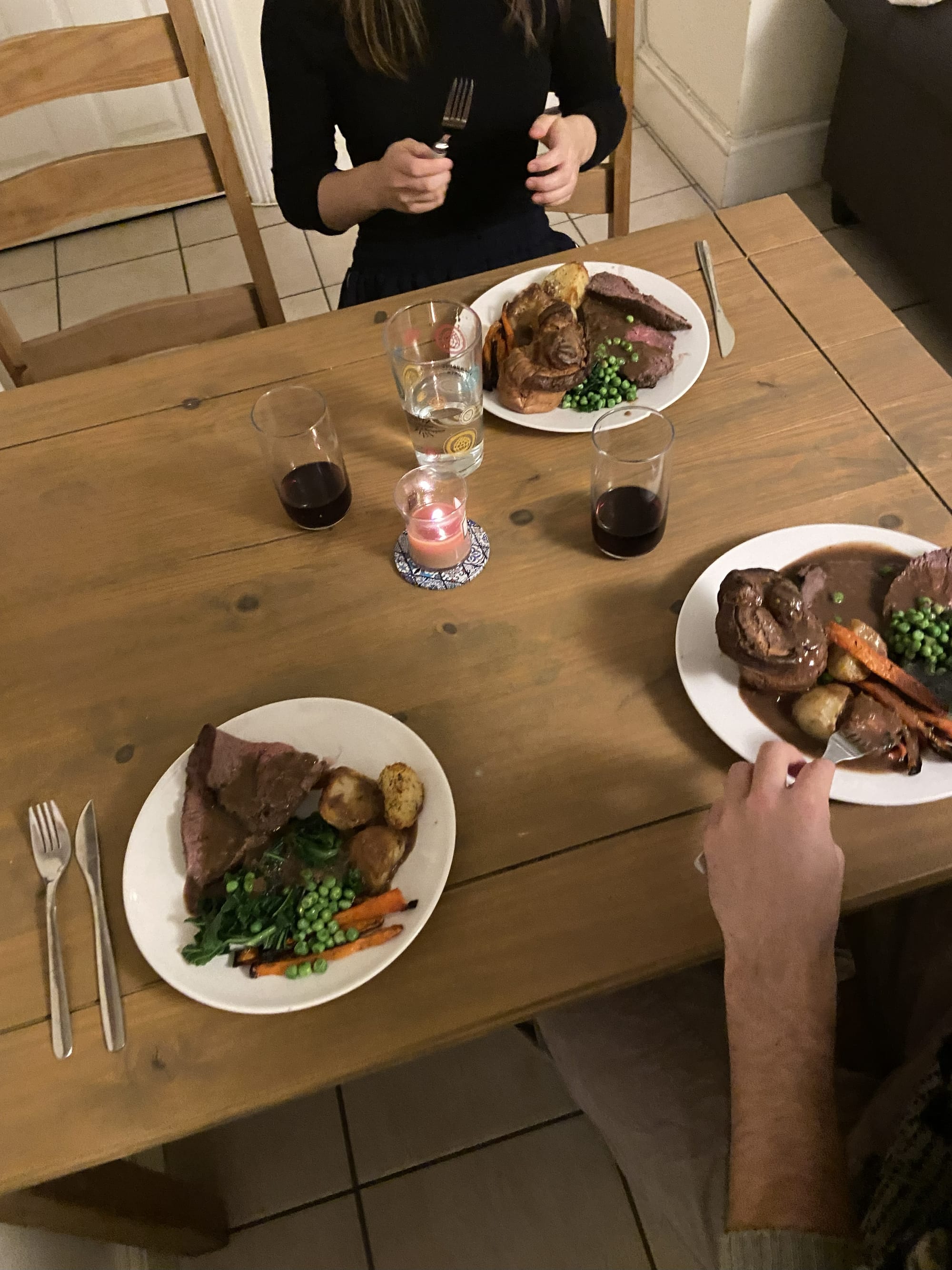
As you get older, life does get more scattered. We should see Christmas as an opportunity to get everyone together again and try to revive that carefree mindset the season once enshrouded us with. I urge you, make your flat cosy, cook a roast dinner with your flat mates, and bring some light back to the season, even as an adult.
Unless we change our mindsets and romanticise the winter season, Christmas will remain a time of wistfulness that we can’t ever get back.
Featured image: Epigram / Anna Reynolds
Do you still feel the magic of Christmas?