
By Amelia Edwards, Fourth Year, English and French
As an emerging writer, I was desperate to get my work out there. A late-night Google spiral led me down the obsessive rabbit hole of submitting to online literary magazines. Submission statuses on the online portal Submittable and third-person bios reeling off achievements like 'nominated for the Pushcart prize' gave me a strange cocktail of imposter syndrome and anxious possibility.
I’d stumbled into a corner of the publishing world few in the UK even know exists, where unknown writers build portfolios with stories under 1,000 words. I was instantly hooked.
This is just one student writer’s glimpse into the chaotic indie lit scene.
'My writing dreams deflated fast. Was there nowhere to publish without a Master of Fine Art or odds better than the lottery?'
It started when I finally finished the first short story I didn’t hate enough to throw away. A Google search – 'how to get fiction published without an agent or book deal' — took me straight to literary magazines. The usual (and unattainable) suspects popped up first: Granta, The New Yorker, The White Review. My writing dreams deflated fast. Was there nowhere to publish without a Master of Fine Art or odds better than the lottery?
Then, like a diamond in the slush pile, I discovered Duotrope: a partially free website listing thousands of journals open to submissions, complete with acceptance rates, average response times, and every anxiety-fuelling stat a writer could obsess over. Similar websites include The Submission Grinder and Chill Subs. Suddenly, I’d unlocked a whole world of indie lit mags — from the brutally selective (<1%) to the surprisingly approachable (10%) — a far cry from the big-name journals that mostly platform the already-famous.
One thing I quickly noticed: most of these smaller journals were based in the US. After Americanising my spelling and racking up a healthy pile of rejections, I finally landed two acceptances.
'Journals like CRAFT and Maudlin House actively push back against the elitism still baked into traditional publishing'
In the process, I also discovered that many of these newer, more accessible magazines — most launched in the last decade — offer a far more welcoming platform for emerging voices. With free submissions and dedicated categories for marginalised writers, journals like CRAFT and Maudlin House actively push back against the elitism still baked into traditional publishing. They usually run on optional donations, volunteer readers, and literary passion. Many also platform visual artists, who can submit their work to be used as cover art.
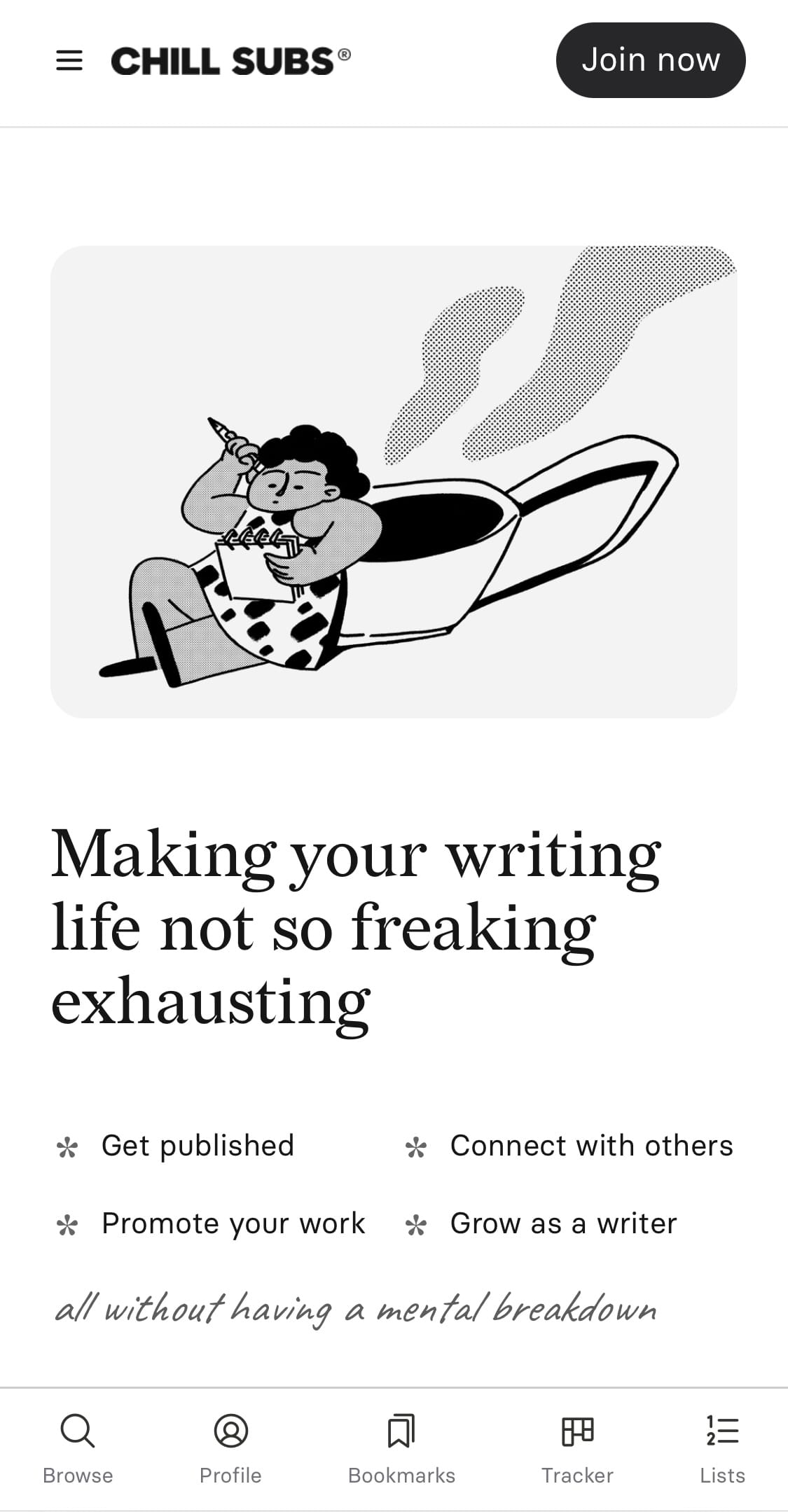
Still, even this world can’t escape hierarchy. Websites and online forums exist to try and slot these indie journals into prestige tiers. For emerging writers, trying to balance acceptance odds with maximum visibility is a minefield of its own.
Online platforms like Substack allow writers to publish work on their own terms, with the potential to see it go viral on Instagram or TikTok. On the other hand, literary magazines offer an established platform for original, unpublished writing. Many nominate for prestigious prizes such as the Pushcart and Best Small Fiction anthologies, giving writers a chance to have their work read by editors and agents.
'Are lit mags a gateway for new writers or an unsustainable lifeline for the shifting publishing scene?'
However, many journals have already gone out of print, struggling to keep up in an oversaturated, fast-moving publishing world where newer, online-only magazines are taking over. Are lit mags a gateway for new writers or an unsustainable lifeline for the shifting publishing scene?
The future of literature is uncertain across the board. For example, the rise of AI is forcing journals to update their submission guidelines, ranging from AI-friendly rules to complete bans on AI-assisted work. This can create rifts and mistrust between editors and writers. Plus, wading through page-long submission policies can be enough of a hassle to push discouraged writers towards other publishing routes.
 Amelia Edwards
A combination of a few lit mag credits and your own online audience could be the best of both worlds for emerging writers— and a way to avoid your work being boxed into one corner of the internet. Personally, I have found that whilst submitting to online journals can at times be demotivating, it has also boosted my confidence as a writer and opened doors I never knew existed. It has forced me to face rejection, sharpen my writing goals, and overcome my fear of having my work read by real editors.
After all, the worst they can say is 'No.'
Featured Image: Unsplash / Corrine Kutz
Have you ever considered submitting writing to a literary magazine?