By Miles Gilroy, SciTech Deputy Editor
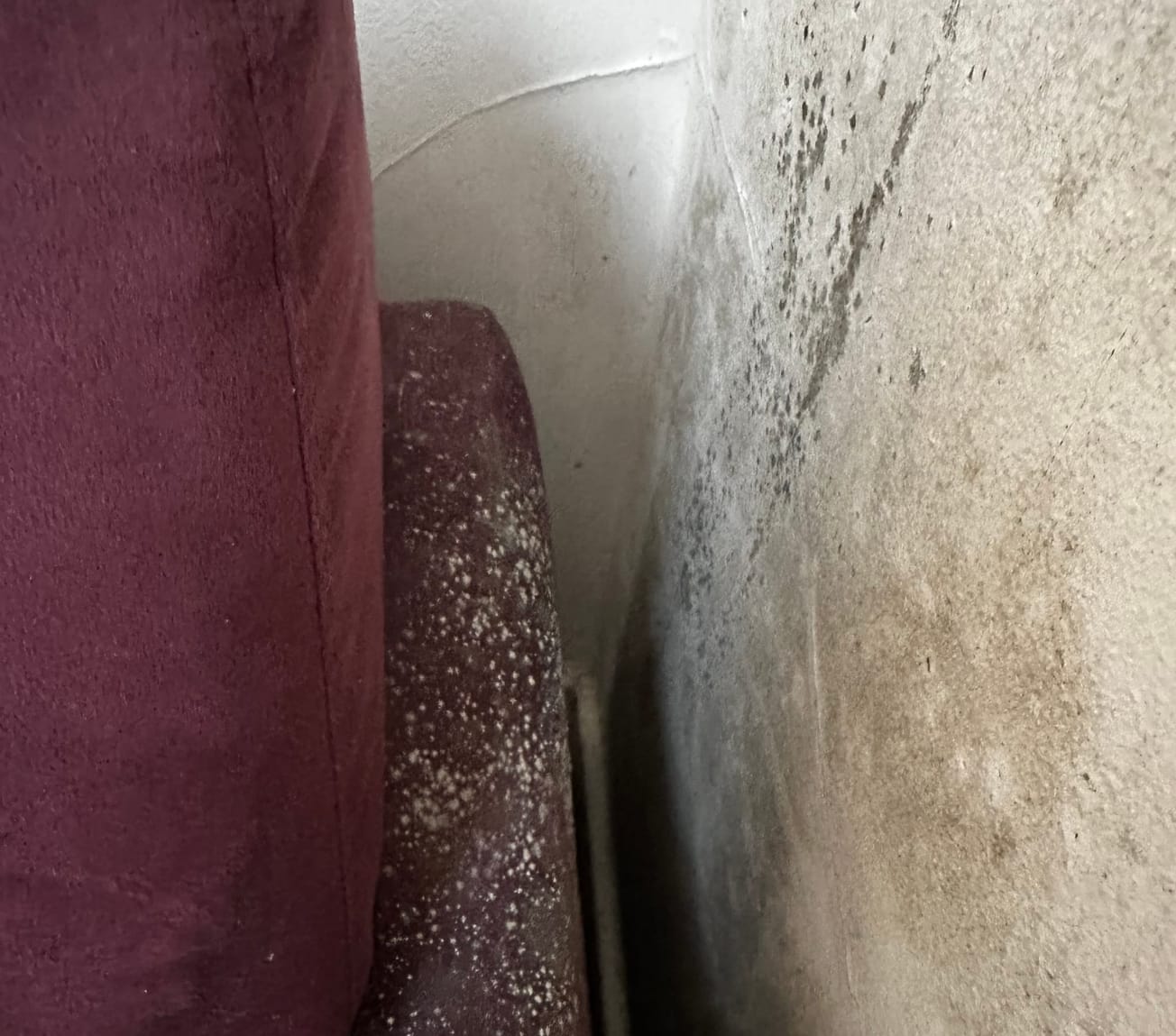
Most forms of mould are structures of fungi. Fungi are classified as heterotrophs, meaning they cannot produce their own food and must obtain nutrients from external sources, like other organisms. Heterotrophs perform heterotrophy to break down organic materials for consumption, a process which requires water. Hence, mould can only gain nutrients for reproduction and growth in the presence of water, making damp areas ideal for them.
Damp occurs for several reasons. Leaks, floods, and spills, as well as poor ventilation, especially in kitchens and bathrooms (where significant amounts of steam are created) are the main culprits.
What's it doing to me?
Moulds produce compounds called mycotoxins which can lead to all sorts of problems, even death, if inhaled or ingested. Mycotoxins can be significantly carcinogenic, having strong links with liver cancer. They also weaken the immune system by killing immune cells and inhibiting protein synthesis, preventing many vital processes, including the production of antibodies. This leaves you more susceptible to diseases and infections. Other dangerous effects of mycotoxins include hormone imbalances, allergic reactions, other forms of cancer, birth defects, and neurological issues.
Mould is an area of great contention in student housing at the moment. It is important to know how to prevent mould and mitigate its effects. But, it is as much the duty of landlords as it is for tenants to maintain mould-free homes. Stay safe out there.
Featured image: Epigram / Miles Gilroy