By Beth Nugent, Third Year, Film and Television
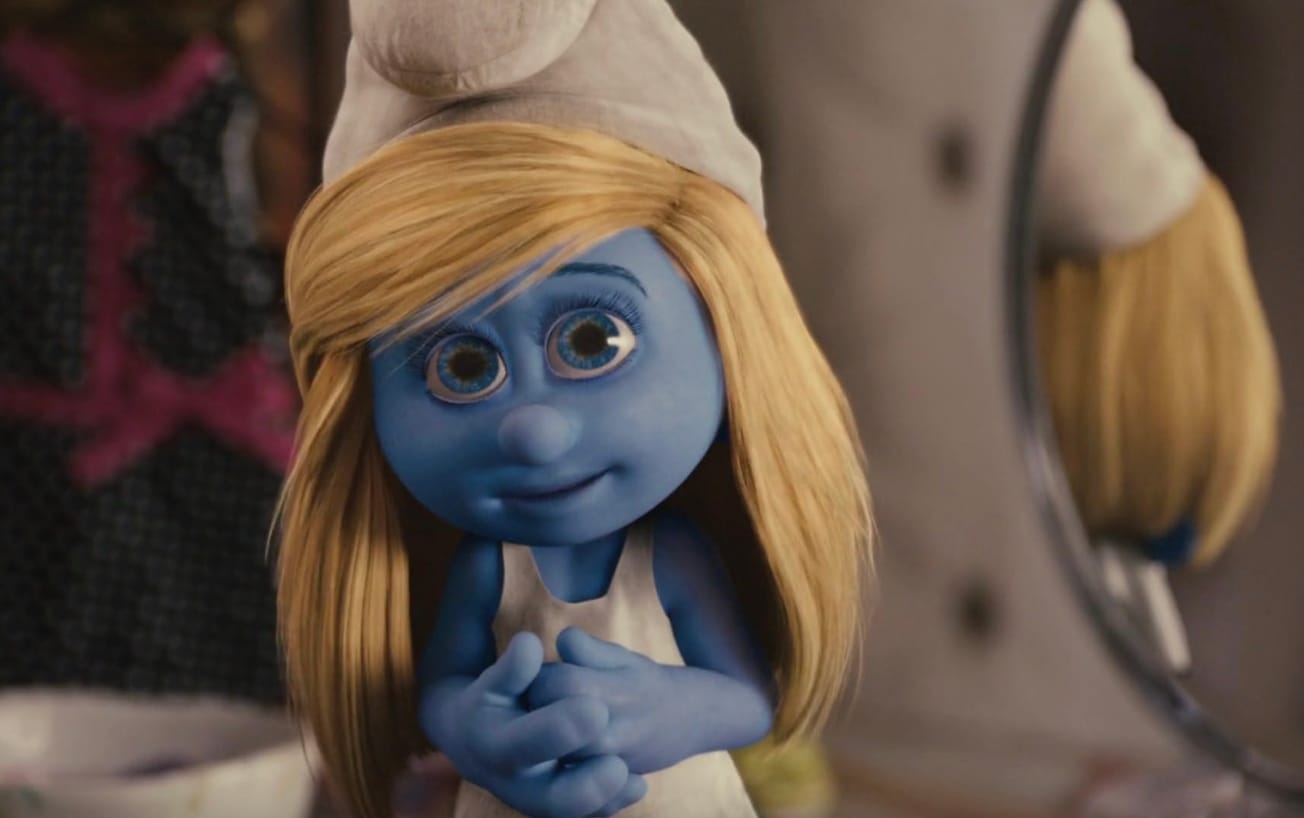
The phrase, coined by American Journalist Katha Pollitt, describes this principle in media as ‘boys being the norm, girls being the variation [...] Boys are central, girls are peripheral’. It discusses the idea that we often see in the media, a collection of men being the central characters to the story, whether it’s a friendship group, family dynamic or just characters thrown together for a movie, and then a lone woman added on. Pollitt started this analysis with The Smurfs (1981-1990), where there’s a house full of men and only one woman, Smurfette. She becomes interesting just by the fact that she’s a variation in the dynamic; her character doesn’t really have to consist of anything apart from her gender. That’s her signature.
It’s often discussed in regard to this theory that the solo female character must then provide an element of romance for the male characters and create an opportunity to show lust, to dispel any homoerotic undertones. Take marvel for instance, in the first Avengers film, the main characters were: Iron Man (Robert Downey Jr.), Hulk (Mark Ruffalo), Captain America (Chris Evans), Thor (Chris Hemsworth), Hawkeye (Jeremy Renner) and finally Black Widow (Scarlett Johansson). They introduced the character as an object of desire, from her sleek, skintight leather outfits to her attitude and sultry makeup. Black Widow was an addition to create romantic tension within the group, and in her case, it was with multiple men. It was only much later in the franchise that we saw the addition of Wanda Maximoff (Elizabeth Olsen) and Captain Marvel (Brie Larson), but even then the women rarely interacted with each other in any meaningful way.

Looking into more recent media we can see this principle in a show like Paradise (2025). Season Two was released in the middle of February and in its first episode there is one woman, who gets introduced to an entirely male cohort. They treat her like ‘one of the guys’ but of course, when they have a dinner party one night and she gets all dressed up, they all whistle and hoot, seeing her in a feminine way for the first time. By the end of the night, she confesses her love to the one man in the group she’d been getting close to and the rest is history. Even watching it, I felt increasingly frustrated that this female character was forced to be perceived and developed through an entirely male lens.
This is then built upon through costume and how ‘The Smurfette’ is dressed. Coming back to Black Widow’s superhero outfit, we have a skin tight leather looking suit, that it strategically half zipped for a plunging neckline and of course some heeled boots. In her first scene in Avengers Assemble (2012), she’s once again got a low scooping neckline and manages to carry out some seriously impressive acrobatic takedowns in a black bodycon dress. The same principle is built upon in Jumanji: Welcome to the Jungle (2017), with Ruby Roundhouse (Karen Gillan) in a crop top and booty shorts to roam around the jungle in. In both cases these women are dressed in a way so as to present them as a sexual object to the men they are surrounded by, not for practicality or to show any other character trait then an attractive women dressed for the male gaze.

It becomes more frustrating when you begin to understand why this principle even exists in the first place. Movies like Harry Potter (2001-2011) and Lord of the Rings (2001-2003) are classics, watched or very well known by the majority of the population gender aside. Whereas films like Little Women (2019) or Miss Peregrine's Home for Peculiar Children (2016) are popular mainly amongst the female demographic. This came from the view that for boys to watch something, they couldn’t be forced to empathise with a woman’s point of view, since they lacked the adequate social and empathetic skills to overcome social identity theory. A theory based on the idea that people can only enjoy media they see themselves in and will often fail to look past gender and race to identify with a character on screen.
Therefore, Hollywood executives figured out that to reach as many people as possible, the men must be catered to first, and they must be introduced to the story through the eyes of a man, whereas women and girls never had that problem, they were able to watch all kinds of films and shows, no matter the gender of the protagonist. Of course, looking back it seems like a vicious cycle of media outlets not thinking boys can empathise with female characters, and so they have less of them leading the screen and in turn aren’t exposed to different forms of media and so on…
 Sophie Lee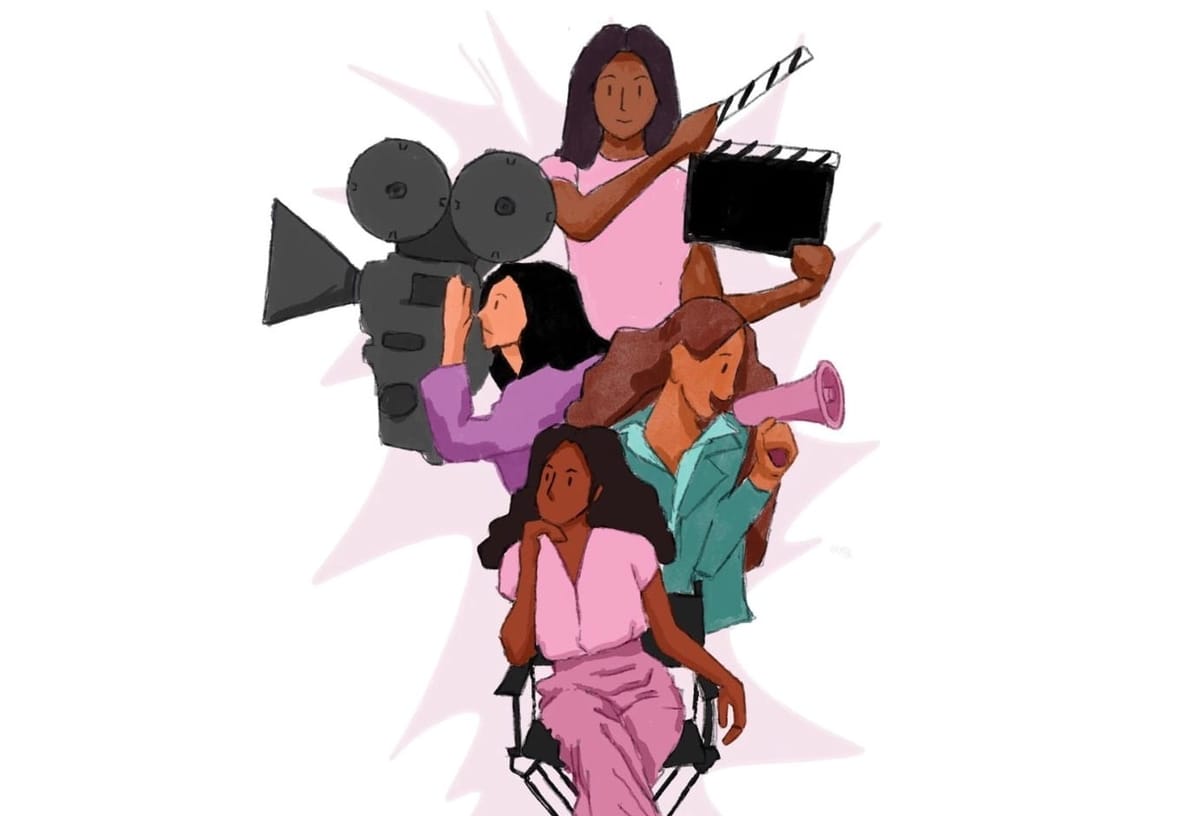
It’s one of those things that once you see, you can’t unsee, and whilst it’s important to recognise the change that is happening in the industry, Hollywood’s resistance to creating multiple well developed female characters who occupy the same screen is astounding. And just FYI making a film and sticking it under the patronising category label ‘Women who rule the screen!’ doesn’t count.
Featured Image: IMDb / The Smurfs
What do you think of the Smurfette Principle?