
By Sophie Lee, Third Year, English
As university students, we’re all too familiar with the creeping sense of dread that deadline season brings. With darkness falling by mid-afternoon, endless hours spent in the library, and far too much money sunk into train fares home, burnout can feel inevitable. But how is this seasonal slump represented on-screen, and are there any films or TV shows that offer genuine escapism when everything starts to feel a bit too heavy?
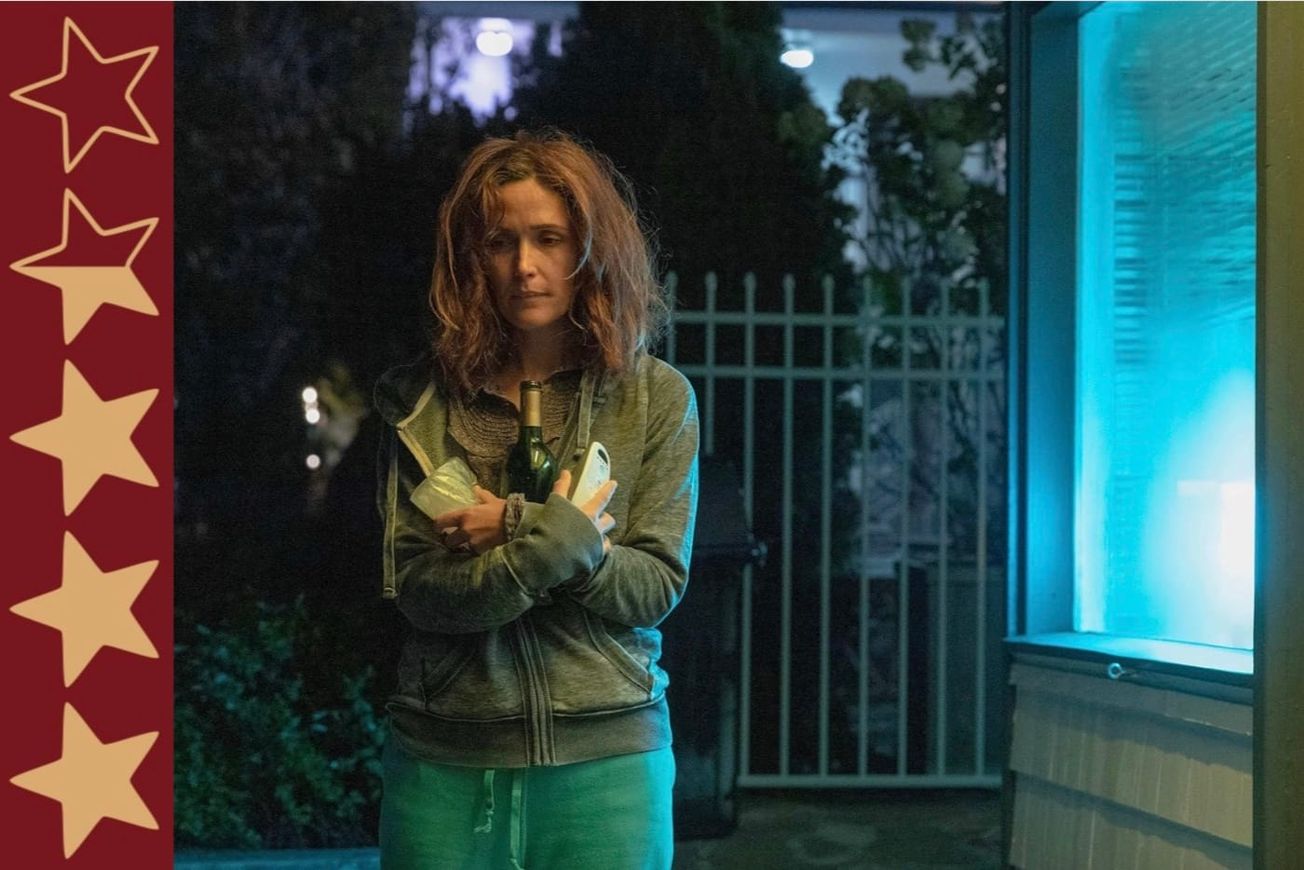
SEVERANCE - dir. Ben Stiller (2022)

Severance, the critically acclaimed Apple TV+ original, engages with ideas of seasonal depression through a distinctly sci-fi lens, as characters undergo a procedure that surgically separates their work lives from their ‘outside’ selves. Without giving too much away, one key episode in season two sees a character forced to write thank-you notes for Christmas presents as a form of punishment. Not only does this moment reinforce the uncanny cruelty of the severance procedure, but it also gestures toward the intense pressures that surround the festive season.
December is loaded with expectation: Instagram reels of twinkling Christmas markets, curated joy, and effortless togetherness. But what happens when your reality doesn’t match that version of events? For many, Christmas can be overwhelming, with socialising beginning to feel less like celebration and more like obligation. This scene offers an extreme, yet telling, reflection of that pressure, as Ben Stiller’s directorial vision transforms festive cheer into something deeply unsettling.
THE CHRONICLES OF NARNIA: THE LION, THE WITCH, AND THE WARDROBE - dir. Andrew Adamson (2005)
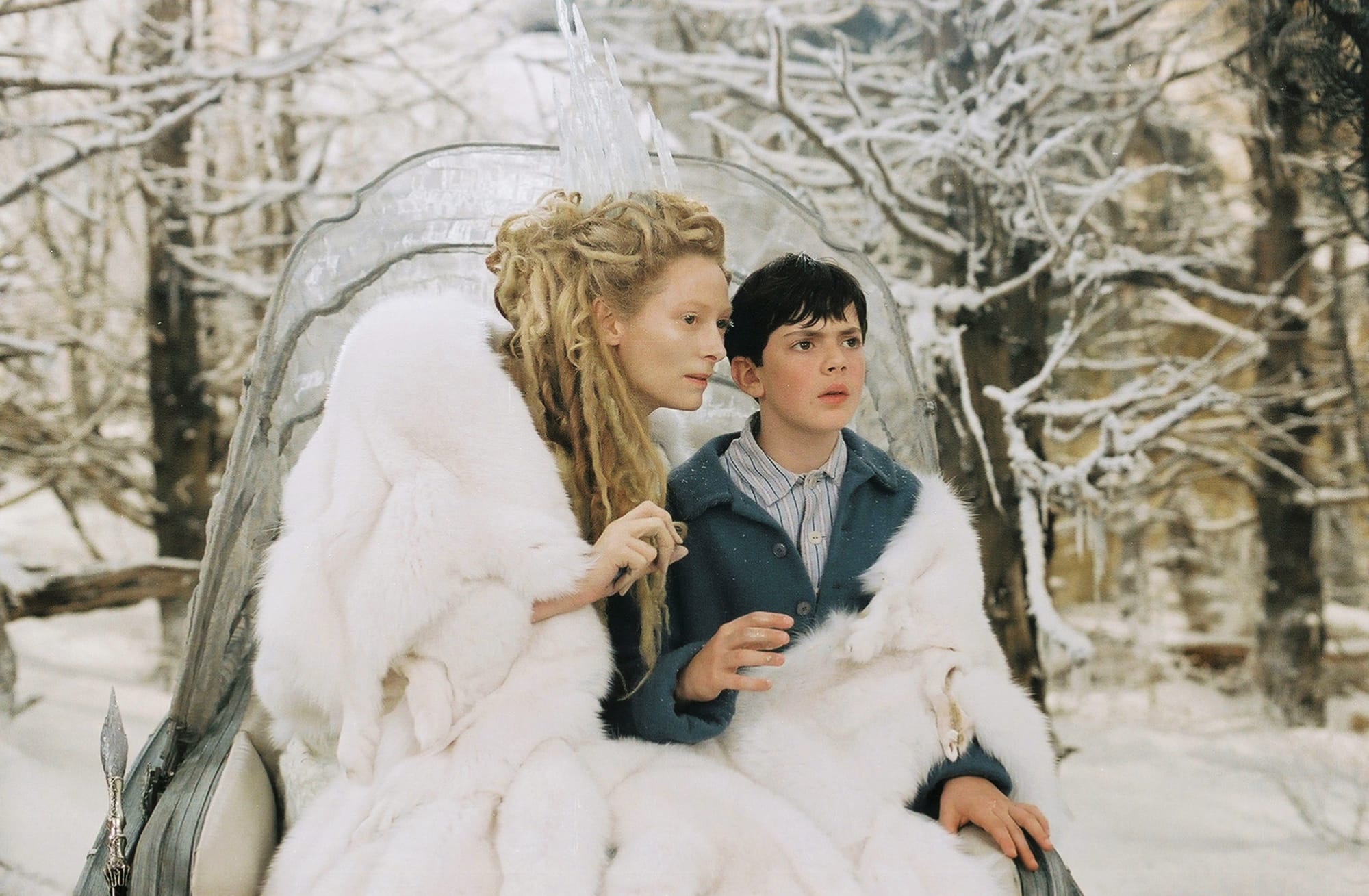
One story that touches on themes of mental health during winter is The Chronicles of Narnia. When four children enter the magical land of Narnia, they discover it is cursed to endure an eternal winter, a place where it is always winter, but never Christmas. This spell is cast by the White Witch, a figure often interpreted as a metaphor for Satan.
C. S. Lewis himself described the Christian elements of Narnia as a ‘supposition’, rather than direct allegory, yet for many people religion, or simply the promise of Christmas, can provide comfort during the most difficult times of year. For university students in particular, Christmas often represents relief: time with family, familiarity, and a pause from the looming pressure of deadlines.
In Narnia, the absence of Christmas strips winter of its hope, leaving only dread behind. This endless cold mirrors the emotional stagnation many experience during the winter months, creating an atmosphere so suffocating that rebellion becomes inevitable.
THE TWILIGHT SAGA: NEW MOON - dir. Chris Weitz (2009)

One of the most iconic depictions of seasonal teen angst in film appears in The Twilight Saga: New Moon, when Bella Swan isolates herself for months after Edward Cullen leaves her. With November notorious for being ‘breakup season’, many university students can relate to the numb helplessness that follows the end of a relationship. The now-famous shot of the seasons changing outside Bella’s window while Bella remains frozen in her bedroom is a striking visual metaphor for depression — the world moves on, but she doesn’t.
Bella is eventually pulled out of this slump by her father, Charlie Swan, with the film quietly underscoring the importance of parental support during particularly vulnerable times of year. Bella’s intense codependency on Edward, paired with her lack of self-worth, offers a surprisingly realistic portrayal of a teenager navigating heartbreak. Yet, as Charlie’s role suggests, when winter sets in it is more important than ever to lean on friends and family. Relationships may come and go, but a strong support system can make all the difference when everything else feels uncertain.
LOVE ACTUALLY - dir. Richard Curtis (2003)

And finally, on a more hopeful note: Love Actually. Following ten interwoven storylines, this Christmas classic explores how different forms of love and loss surface during the festive season. Characters such as Karen (Emma Thompson), Daniel (Liam Neeson), and Jamie (Colin Firth) are either grappling with heartbreak or mourning lost partners, highlighting how isolating this time of year can feel for those experiencing grief.
Yet despite these moments of sadness, the film’s overall tone remains one of warmth and optimism. As characters form unexpected connections, sometimes even across language barriers, Love Actually ultimately reinforces the importance of leaning on friends, family, and chosen communities. In doing so, it offers a comforting reminder that even in the depths of winter, joy can still be found through human connection.
The struggles people face during winter have long fascinated filmmakers, who often twist the familiar comforts of Christmas into something more introspective, using the season to explore themes of loss, loneliness, and betrayal. Yet many of these stories ultimately resolve on a hopeful note, suggesting that even in the bleakest months, connection and kindness can offer a sense of relief. While Christmas cheer isn’t a cure-all, these films remind us that small moments of warmth, whether found in family, friendship, or community, can make the season feel just a little more bearable.
Featured Image: Unsplash / Jim Chesek
So, what are you watching to survive seasonal depression season?