
By Evie Cushing, (MA) Physics with Astrophysics
‘When will humans finally go back to the moon?’
This question has permeated society over the past 56 years since Neil Armstrong first touched down on the lunar surface. Artemis II will be a turning point for this century’s space exploration - humans are going to travel further than ever before.
What is Artemis II?
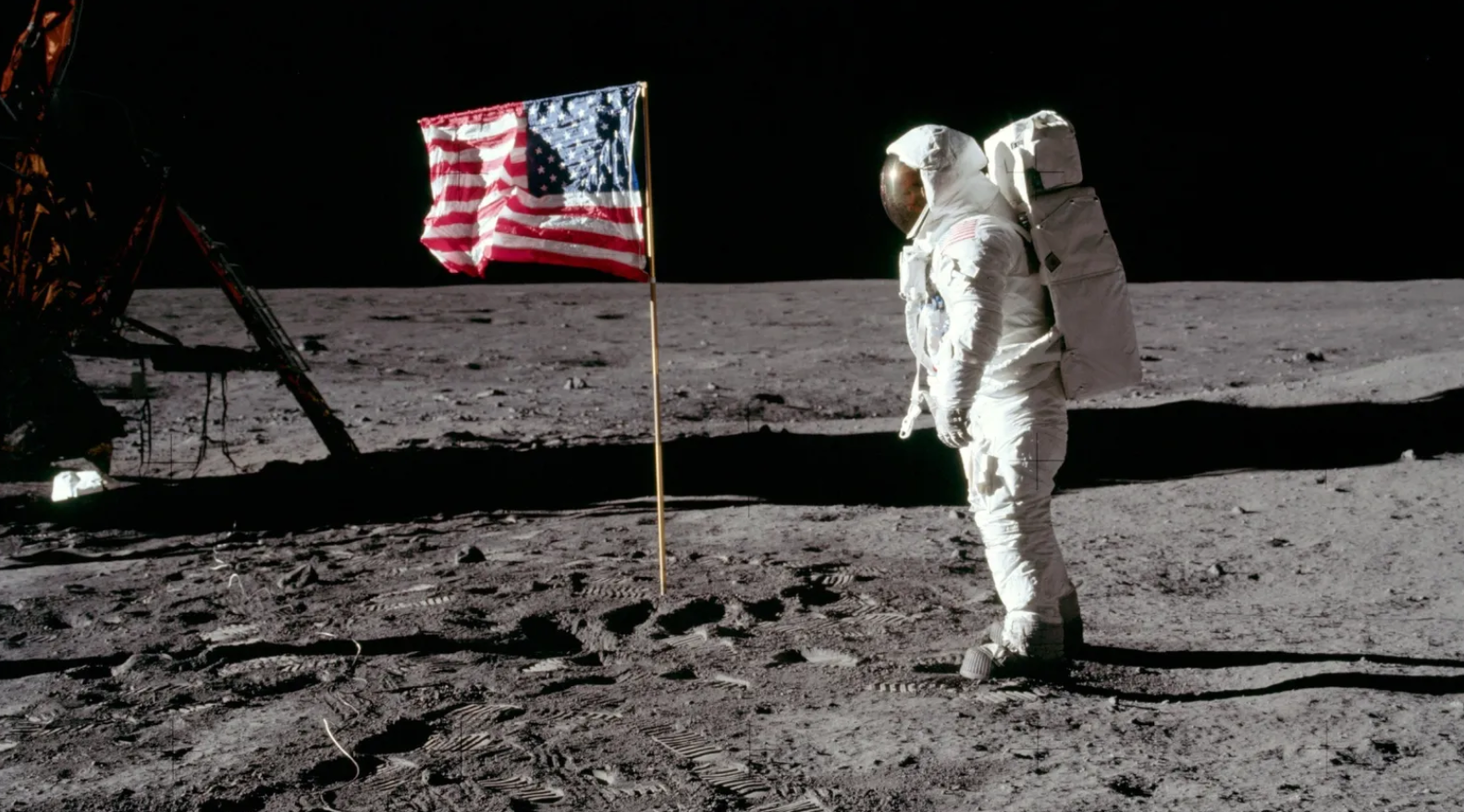
Artemis II is a space exploration mission that will send the Space Launch System (SLS) and the Orion spacecraft to do a flyby of the Moon. The crew consists of four astronauts, including the first woman and the first person of colour to leave low Earth orbit. They will travel further than any human before and will be a part of the very few people to glimpse the far side of the moon. However, as the crew is delighting in this once-in-a-century opportunity, things will take a turn.
Blackout.
Communications go down.
The radio cuts out.
No one knows their exact location.
They are truly alone. Perhaps it’s just their nerves, but the Moon takes a more sinister shine. 41 slow minutes pass. Then,
the
radio
clicks
on
again. The moon no longer blocks the radio signals. Phew.
Although it is very unlikely something could happen to them, it certainly adds drama to the 10-day mission.
The current launch date of Artemis II is set for April after being postponed twice. It must be nerve wracking for the astronauts when the date is continually pushed back, but this is what they have been trained to expect. And whilst they are waiting, they are preparing. Preparing to endure 41 minutes of complete isolation, the greatest test of human nerves that has ever been experienced before – perhaps only rivalled by the silence of the Coombe Dingle exam hall during end of year exams...
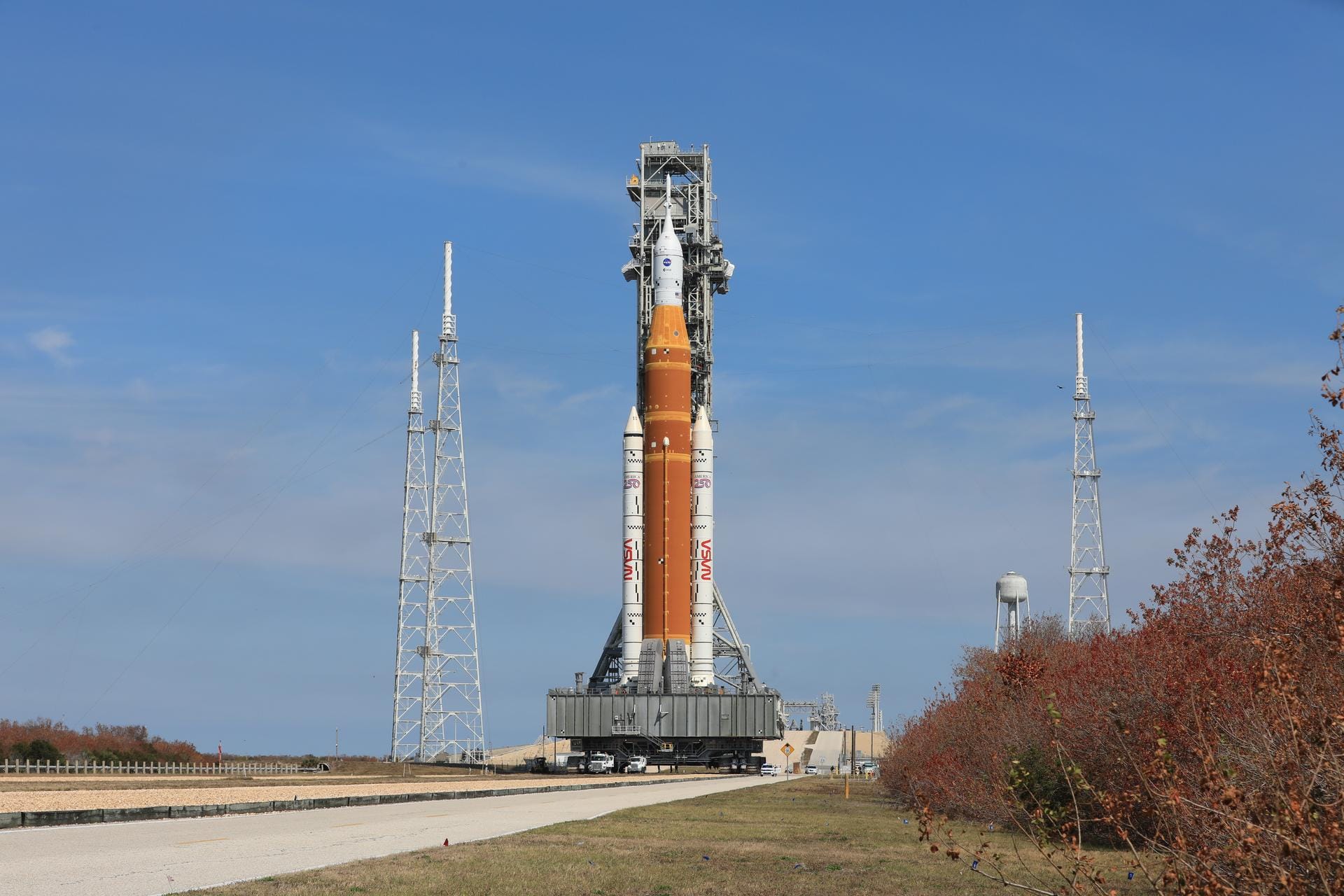
As a University of Bristol Physics student, I am constantly surrounded by high-end laboratory equipment and advanced computing power that I am lucky enough to use. It is something that I am familiar with as it is so crucial these days to be able to use this technology. To be able to be a part of the Artemis mission would be something to aspire to and seems distantly out of reach – a misty fantasy. But perhaps it isn’t?
Anne McClain, a Lieutenant Colonel, is a Master of Science in Aerospace Engineering from the University of Bath, and a Master of Science in International Relations from our very own University of Bristol. She has been named part of the Artemis Team – a select group of astronauts who are eligible to take part in the Artemis missions and, although isn’t a part of the Artemis II mission herself, she may be involved in the later missions. In 2023, she came back to the University to give a talk and she said “Bristol was a great place to launch (her) career from”, which is very much true for anyone inspired by her - Bristol has one of the best aerospace engineering departments in the country!

 Neve Dawson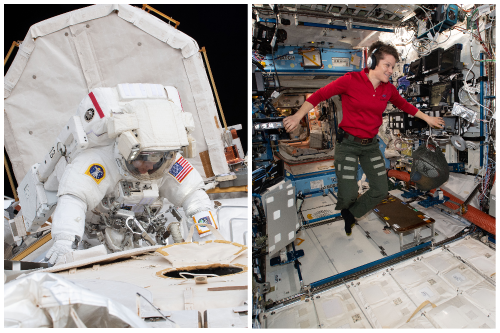
With alumni like Col Anne McClain already part of the Artemis Team, the jump from our aerospace department to the lunar surface is closer than it seems. As the Artemis II crew prepares for their March launch, we wish them the best of luck – and we'll be listening for the radio to click back on.
Featured Image: History in HD / Unsplash
Would you be brave enough to go to the moon?