By Felix Glanville, Film & TV Editor
It has been over a week since the monolith of popular culture, Taylor Swift, released her 12th studio album, The Life of a Showgirl (Showgirl), and in that time she has already shattered a swathe of seismic chart records. The album has set modern-era records for the most physical copies sold in a week in both the US and UK, the most-streamed album and song (‘The Fate of Ophelia’) in a single day in Spotify history, and the fastest album to achieve the biggest opening week in the UK — all in under three days. Yet among the shimmering heights of its commercial success, a culture war has erupted online over Swift’s artistic ability and the album’s quality. With Rolling Stone calling it the year’s ‘most divisive album’, Showgirl’s hamartia is clear: broken expectations.
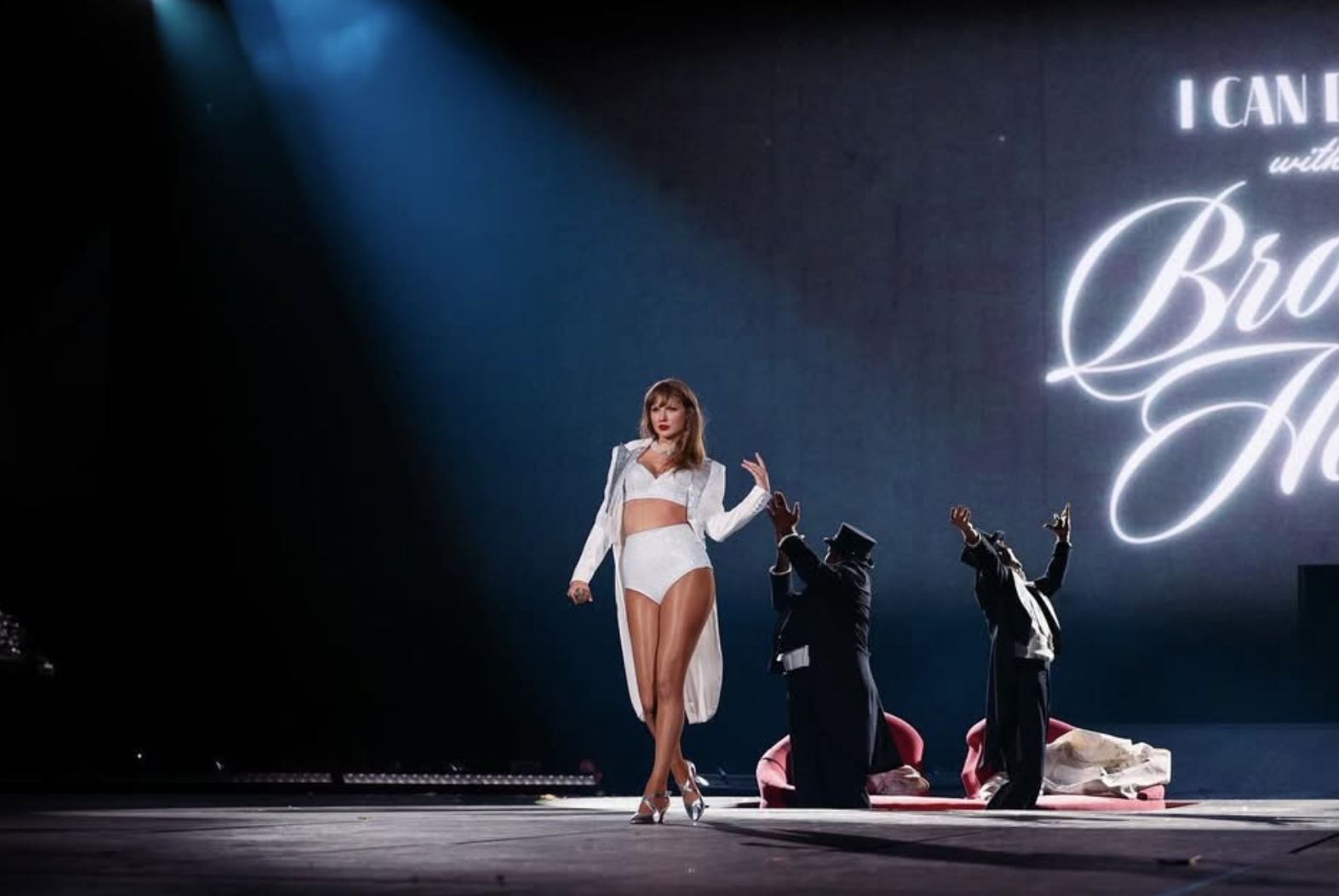
When Swift promised fans a 1989-style revival, pressing play on the album’s first song and lead single, ‘The Fate of Ophelia’, caught myself and all the 3o million first-time listeners on Spotify off guard. We expected thumping drums, elegant horns, and a high-octane bass. Instead, ‘Ophelia’ has a moody, soft-rock sound, totally different to expectations set by Swift’s single from her last (and frankly, exceptional) album, The Tortured Poets Department (TTPD) with ‘I Can Do It With a Broken Heart’.
But can we blamed for that assumption? In the opening track, Swift’s focal theme is clear: she has been saved from drowning in isolation and feels indebted to her suitor: ‘You dug me out of my grave... Pledge allegiance to your hands/ your team / your vibes’ (even writing this, I cannot help the melody whirl around my head, its infectious).
The lyrical and thematic core of the album is not the ‘sweat and vanilla perfume’ or the ‘balls of your blistered feet’ mentioned in the beautiful poems inside Taylor’s vinyl variants, instead it is mostly adoration of Travis Kelce with fine glitterings of dealing with power and image in the music industry.
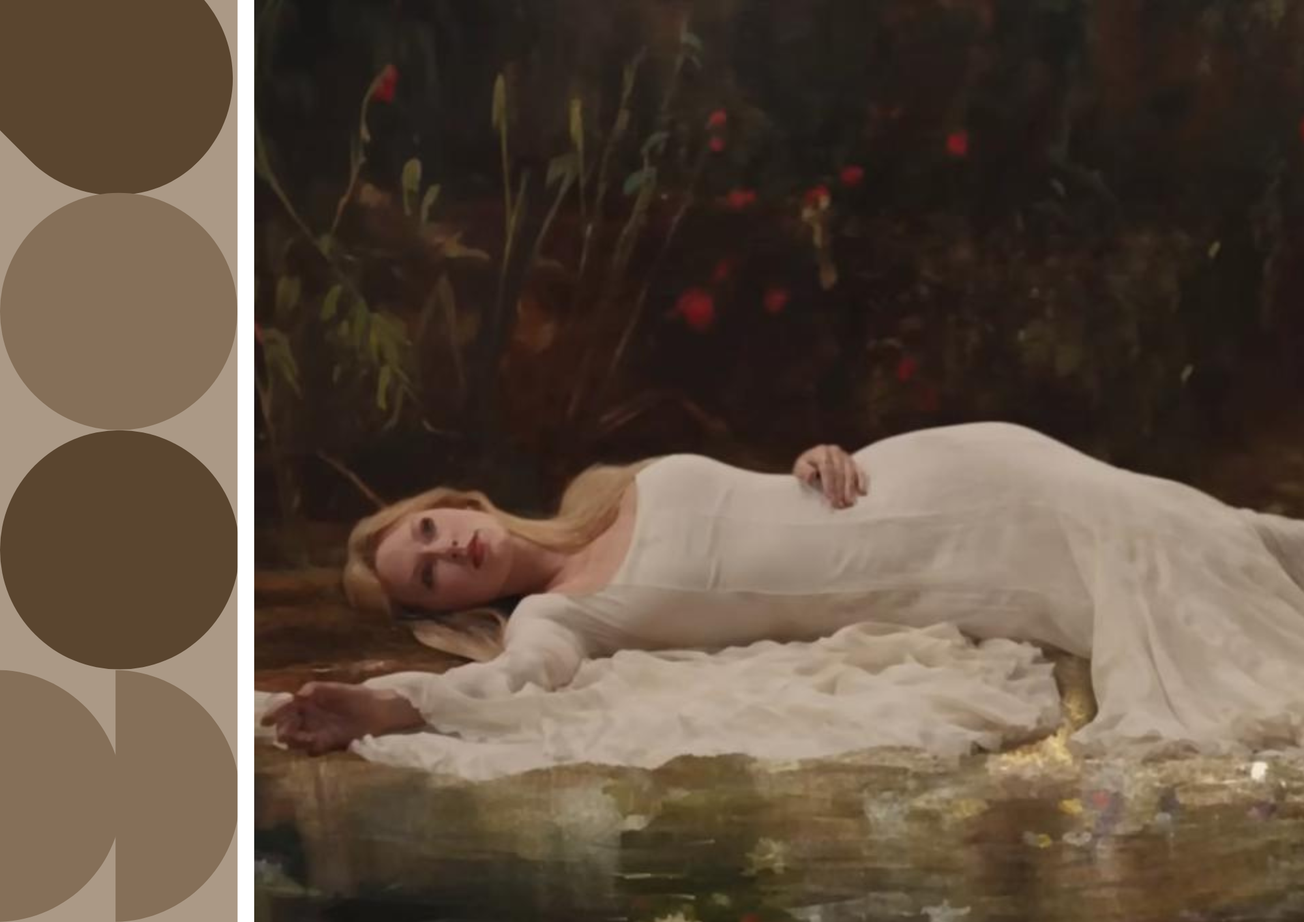
It is a shame we did not get more of the latter given the album’s title; the alternative album covers of feather dancers, Taylor warming up backstage, and dressed in faux pearls; and how Swift’s own ambitions were set to ‘glamorise all the different aspects of how that tour felt’. The tour in question was a reference to Swift’s zenith Eras Tour (2023-2024). The Ophelia we had all engrained in our heads after seeing the album’s cover was one drowning in exhaustion from performance, not one who yearned to be saved by Kelce.
Expectations were being controlled, ill-proportionally, by Swift herself further as she described the collaboration between producers Max Martin and Shellback as ‘catching lightning in a bottle’ when talking about the album on her soon to be brother-in-law’s New Heights podcast.
Fans and critics were rightfully gearing themselves up for the sounds of ‘Style’ and ‘Ready for it?’, but when lo-fi sounding, half-baked ‘Honey’ is in this carefully curated list of 12, it begs the question if Swift underachieved her high bar of delivering ‘infectious anthems’.
Again this was an unusual format of album announcement that moves the spotlight from high-octane showgirl to a platform cementing Kelce and Swift's romance.
With all 11 previous albums, her romantic and artistic life were separate. While Swift has been promoting the album across the UK and USA, the main topic of conversation has been her engagement with Kelce. Not only has this personal life bulletin trumped much of Swift’s artistic endeavours, but it is being attached to an album that is conceptually fixed on pop-stardom. There is a great disconnect at work here.
The fact that Taylor released a ‘track-by-track version’ of the album further suggests that many of the lyrics and messages of the songs need clearing up. We all knew exactly who Swift was referring to when being called ‘boring barbie’ on ‘Actually Romantic’, but a quintessential Speak Now-esque song like ‘Ruin the Friendship’ has been mis-focussed on the unusual inclusion of ‘the 50 cent song played’. The songwriting merits of hesitance and regret which defy the expectations of a showgirl have been left aside.
Note the obvious sarcasm she attributes to her ninth track, ‘Wood’, as a ‘very, very sentimental love song’. Rather than being praised for its unique musical genre-blending of 1970s synth-pop, alike to the underrated R&B influenced ‘False God’ on Lover, ‘Wood’ has gone down with fans and the media as one long deranged phallic metaphor. As if it is one of the album’s only real talking points.
Honestly, it seems as if we have regressed to a hyper-conservative 1950s America, gasping at Swift’s playful double entendre as if it were Elvis’ pelvic thrusts. Is this the life of a showgirl? A look at her intimacies – behind closed doors – acting in childish comfort away from the serious performer who is holding her breath and ‘hittin’ her marks’ (with a broken heart). Or, did Travis just need a bit of self-validation?
The thematic and visual identity of the pre-released album is vastly different to what we got, besides ‘Elizabeth Taylor’ (now you, deserve a Grammy) and the title track featuring Sabrina Carpenter. Taylor’s 12th work is a sad case of misfired, miscommunicated, and wrongly controlled expectations by herself, her management, and pop music powerhouses Max Martin and Shellback.
At such prolific heights in 2025, Taylor Swift is pop music’s monoculture: she is the one who has been setting records and creating its sonic identity. More people than ever have listened to Showgirl to feed cultural conversations, mostly to chip in on twitter threads, even more than with TTPD. Yet this comes with a great burden, many are listening with wishful demise rather than constructed critiques:
you know what? maybe joe alwyn did write some songs on folklore
— m 🌊 (@taylorswiftliar) October 3, 2025
This is the trap Taylor has set up for herself with such an abrasive and diverse discography of albums which are constantly being pitted against one another (notably Folklore and 1989). The Life of a Showgirl is an entirely separate artwork with different representations at this stage of Taylor’s ring-bearing life.
Unfortunately, the objectives on offer by the exceptional photoshoot and Taylor’s own association to Eras on the New Heights podcast were a lot more alluring than some of the album’s songs.
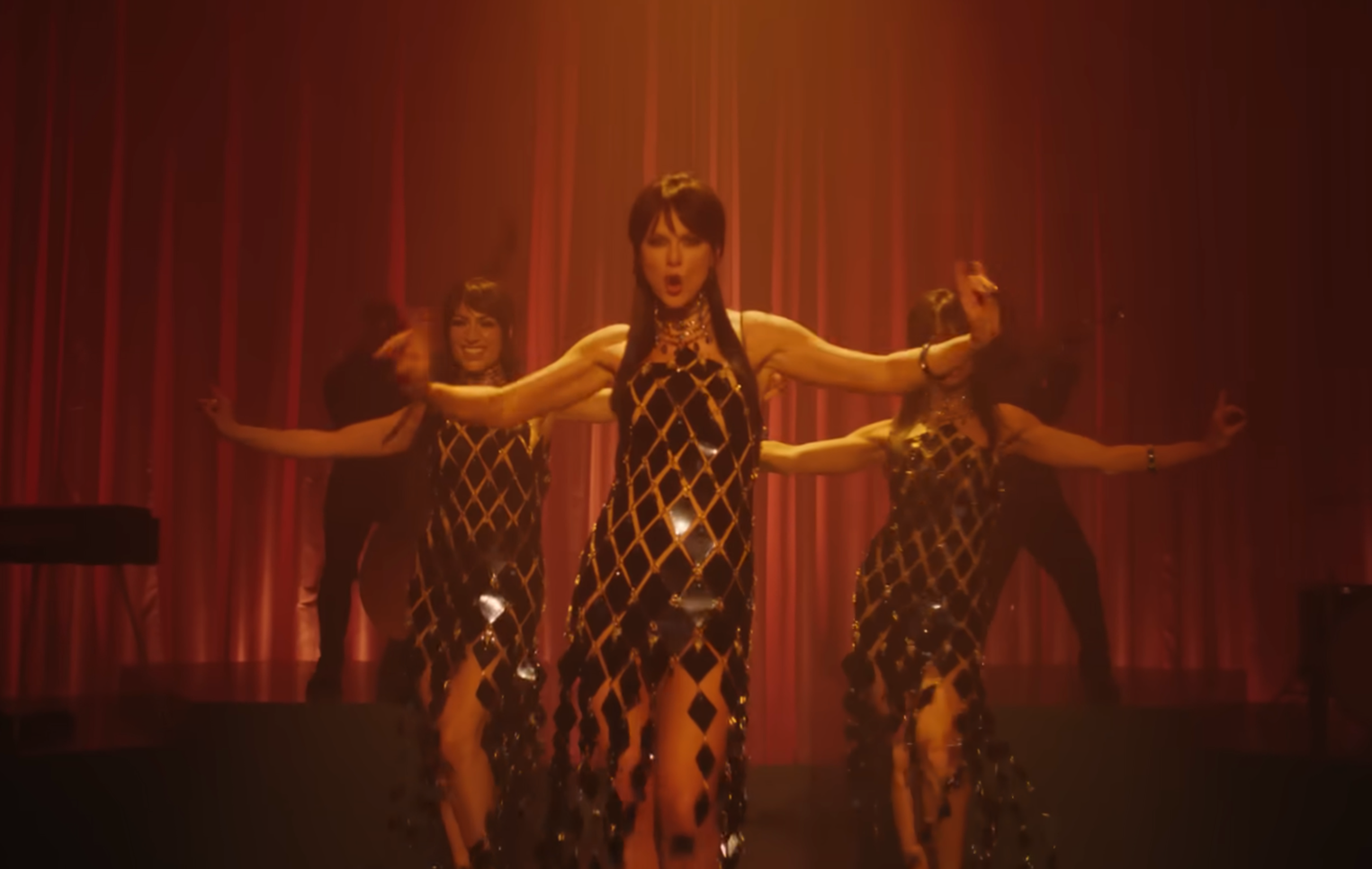
The pressure of performance and Taylor’s own theatrical identity is a fantastic premise and one which ‘The Fate of Ophelia’ music video deals with extraordinarily, even crafting allusions to Taylor as the shipwrecked Hamlet and drowned Ophelia in tandem. But these are obsolete on the likes of ‘Honey’, ‘Wood’, and ‘Wish List’.
It seems Travis has been interpolated into her work unlike any previous muse, with a new vernacular that is still trying to find its feet. ‘So High School’’s ‘You know how to ball / I know Aristotle’ did give us some warning. The hook of ‘Eldest Daughter’ being ‘I'm not a bad bitch / And this isn't savage’ makes the case for Swift’s track five to lose its authentic diary-like character and flavour that makes her first and foremost, the earnest songwriter. It is however, a refreshing thematic contrast from her two previous albums, and one that can certainly be mastered in the right environment.
Yes, Max Martin still has the power for succinct infectious melodies, but after hearing him amend much of Taylor’s ‘Taylor-like’ lyrics to simpler words and concepts in the original songwriting voice memos, it seems this reunited collaboration was not the most creatively successful.
The collaborative environment between Taylor, Jack Antonoff, and Aaron Dessner seemed to suit the artistic vision of Folklore, Evermore, Midnights, and TTPD more definitively than Showgirl.
Swift’s onslaught of criticism from fans and critics could have been negated if the promise of a 1989-style, back to front bullet proof pop album dressed in the flare and fire of reputation, and set at the Eras Tour was not given out so publicly.
Swift's constructive response to TTPD’s criticism of being ‘too long and wordy’ was technically achieved, although building up promise in such dramatic style was perhaps a highly destructive marketing risk. This may be part and parcel of the magnified pressure put on her music, given her immense stardom, as scrutiny is far more appealing than consensus.
When The Tortured Poets Department was released in April of last year, music and pop culture was beginning to feel exhausted by Taylor Swift’s global impact. As such, much of the album’s career defining works like ‘So long, London’, ‘But Daddy I love him’ and ‘Chloe or Sam or Sophia or Marcus’ were not appealing to the mainstream conversation. Instead, it was the absurdities of declaring ‘Charlie Puth a bigger artist’, and how the lyrical excess of 31 songs in the anthology was ‘greedy’ and ‘self-focused’.
We do appear to be in a very similar state with Showgirl, where letting it simmer in the mainstream and letting the dust settle may offer revisionist responses. Perhaps, similar to Reputation which received mixed critical and public responses – a Metascore of 71 alike to Showgirl's 70 – but is now heralded as a trailblazer in her discography.
 Yasmin Attwood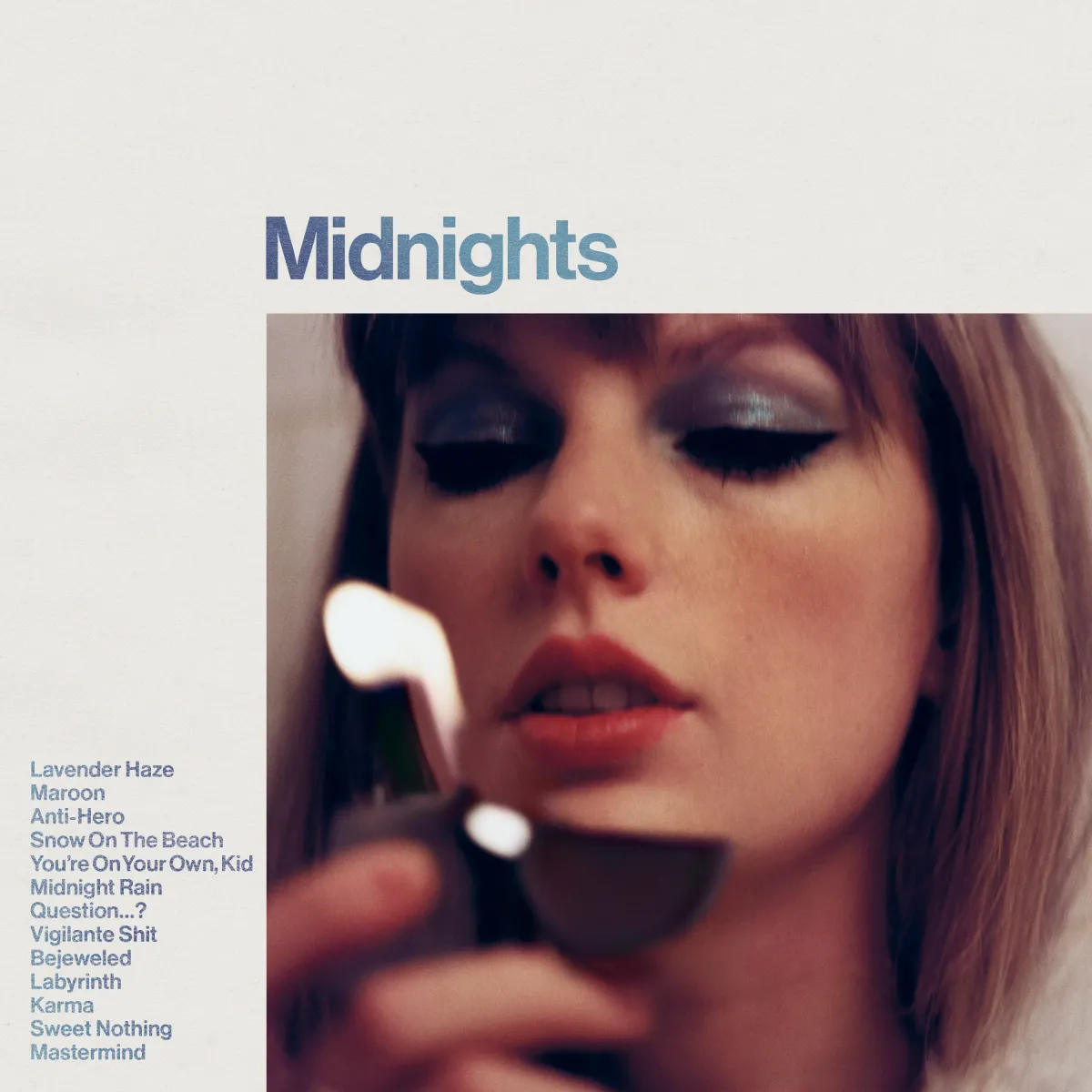
One can only think this bewilderment and shock may all be different if Taylor released her lead single, ‘The Fate of Ophelia’, a few weeks in advance of the album’s release so the sounds, lyrics and concepts are digested, more accurately than the promotion.
Unfortunately, ‘ME!’ trauma still haunts her to this day. The ‘Ophelia’ music video is well and beyond one of the finest creative endeavours she has pursued. It is a shame it’s being overshadowed by the album’s concept-to-song mismatch, critique of its place in Swift’s discography, and the ‘undeserved’ records it’s breaking.
There is only so much I can say. Making 12 indestructible albums is a ridiculous feat in itself. After simmering with the album for over a week, it has quickly become the upbeat, pumped up soundtrack of my autumnal Bristol.
Moving past broken expectations, I bow to the showgirl for that flawless track one to four track-run and, despite its tone deaf messages, ‘CANCELLED!’ strings together the edge of reputation which always makes me entranced in Taylor Swift, the performer.
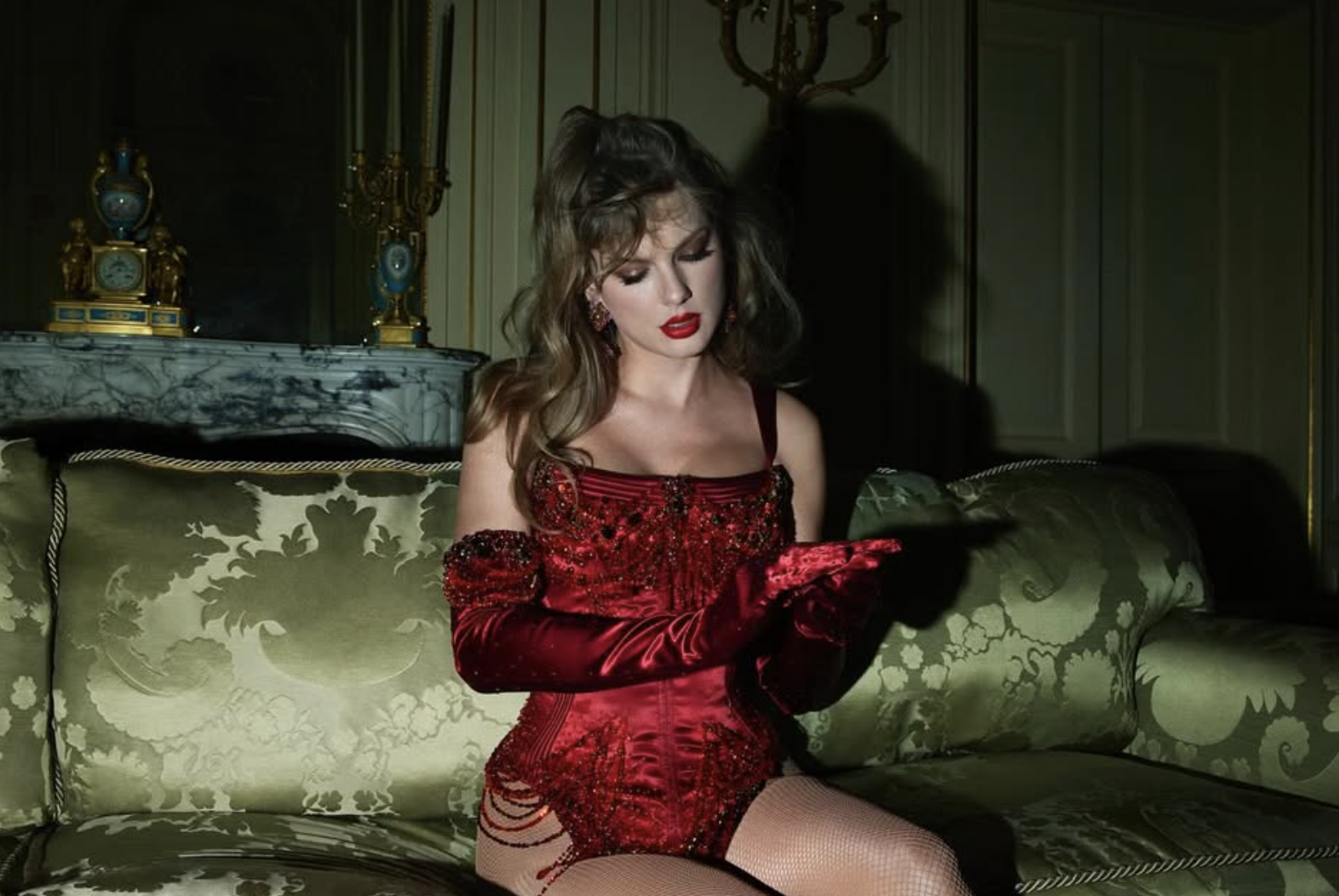
Featured Image: Taylor Swift / Youtube
Where do you stand on Swift’s The Life of a Showgirl?