
By Emily MacLean, Second Year, English
Unfortunately, Paul Feig’s film adaptation of The Housemaid falters in its feminist ambitions, repeating the same shortcomings as Frieda McFadden’s novel. What could have been a searing study of domestic entrapment and survival is watered down to hollow sensationalism, ultimately failing to imagine liberation beyond survival.
The film centres on Millie Calloway, an ex-convict hired as a housemaid for the wealthy Winchester family. Sydney Sweeney’s performance in this role is frustratingly flat. Her sluggish posture, drawling tone, and limited emotional range make it difficult to sympathise, as her lackadaisical attitude reads as carelessness rather than guarded trauma. And in addition, suspense - a core element of any thriller - is largely absent. Voiceovers hastily fill in Millie’s history and thoughts, turning her into little more than a vehicle for erotic and sensational scenes. The film sprints from one underdeveloped drama to another, discarding nuance in favour of surface-level intensity.
Much of the first half of the film’s energy stems from Millie’s sensual fantasy of Andrew Winchester (Brandon Sklenar), her employer. This burgeoning romance is littered with clichés: the classic staircase shots, discreet glances in the movie theatre, and dinner at a fancy restaurant, culminating in a predictable sex scene (which has dominated social media discussion since its release). What could have been an exploration of dependence and desire becomes overdone, voyeuristic lust. The soundtrack, featuring familiar favourites from Lana Del Rey and Reneé Rapp, feels stereotypical and sterile rather than emotionally resonant. The film seems confused about the sincerity with which it wants to be taken, with romantic idealism overwhelming the film’s sinister undertones.
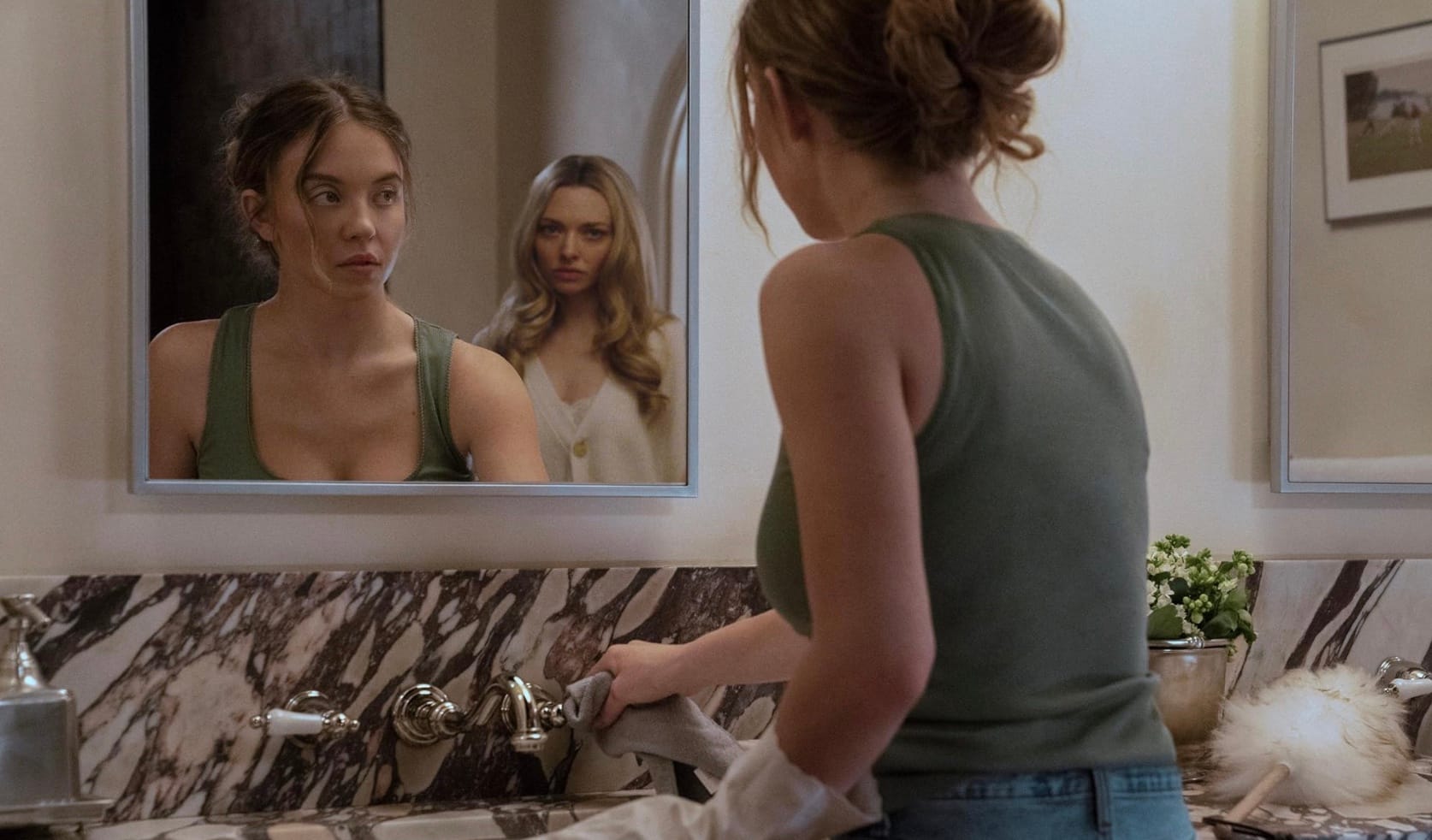
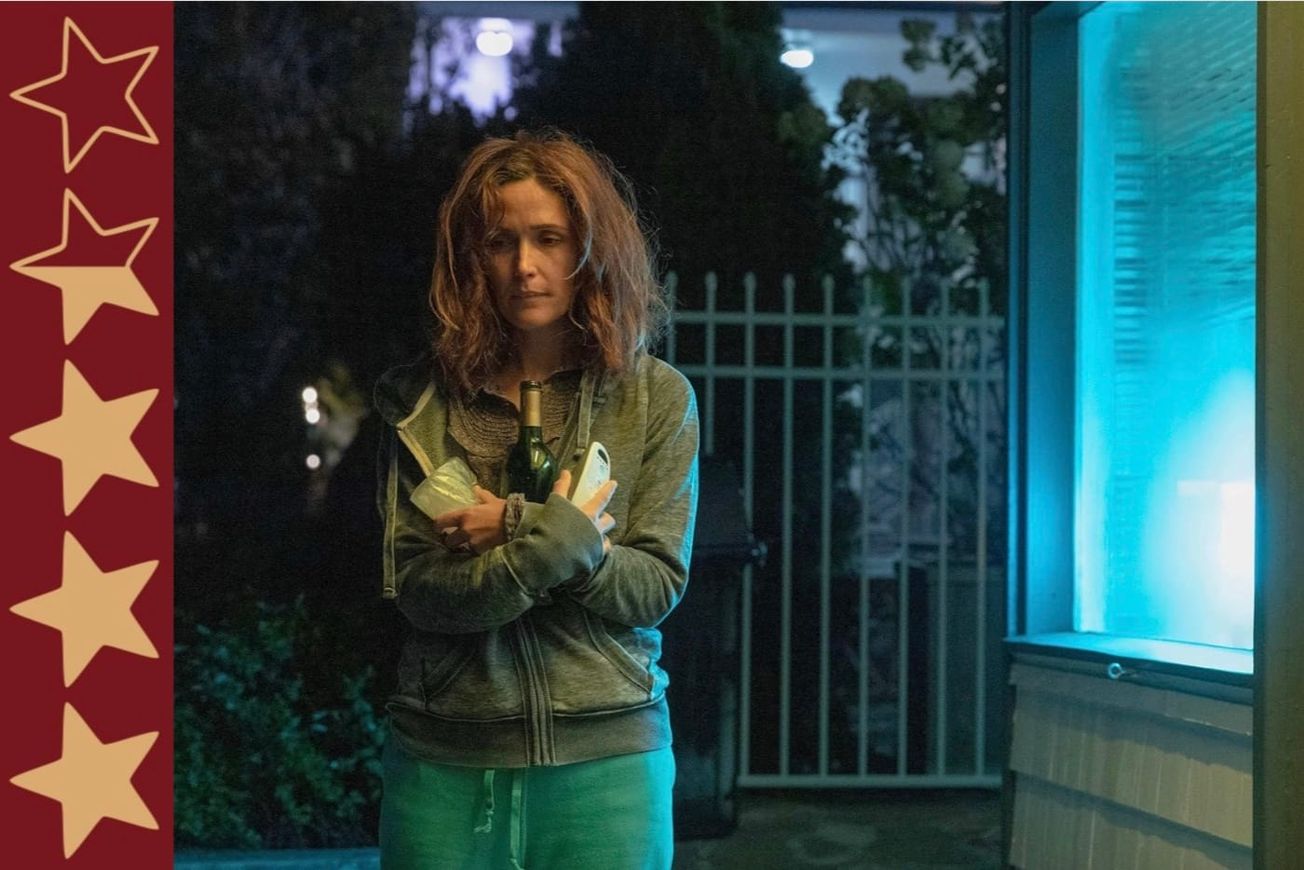
What rescues the film from feeling like a cinematic rendition of teenage fanfic is Amanda Seyfried’s masterclass performance in the role of Nina Winchester. She conveys the full spectrum of a woman trapped by wealth, marriage, and abuse, shifting seamlessly from docile housewife to emotionally unstable survivor. Whenever Nina takes the foreground, the film inches closer to fulfilling its promise. From revelling in her well-deserved freedom, swinging around a wine bottle and dancing to the cathartic ‘Since U Been Gone’ - to delivering her harrowing testimony, Seyfried navigates tonal shifts effortlessly, captivating the audience even amid the film’s sparse foundation. Nina’s suffering and resilience form the film’s emotional core. Through her, the cycles of confinement and manipulation imposed by men are laid bare. Her performance is intimate, raw, and vital.
It’s a shame that the blood-soaked finale once again opts for shocks over interrogation. While Nina ruthlessly dismantles Andrew’s manipulation and the police officer gestures toward solidarity, any sense of resolution feels shallow. The deeper currents that allow such stories to repeat remain unexamined, at times even glamorised through the spectacle of emotional extremity. Ultimately, the film stops short of confronting the pervasive, silent ubiquity of male violence.

 Megan Oberholzer
The film also clumsily teases its sequel, The Housemaid’s Secret, hinting, through not-so-subtle knife caresses and close-ups of bruises, that Millie’s future involves murdering more abusive husbands. The empowering tone overlooks Millie’s continued servitude: she is merely transferred from one battlefield to another. The ending suggests that liberation comes not through self-determination, but through violence. It offers a sense of unearned ease and, in doing so, perpetuates the very system it claims to critique.
Featured Image: IMDb / The Housemaid | Illustration by Epigram / Sophia Izwan
Will you be returning for The Housemaid’s Secret?