By Janine Tan, First Year, Law
Some of the most magical moments in film come brimming with music! It feels like we’ve been spoiled rotten recently with Sinners (2025), Wicked: For Good (2025), and A Complete Unknown (2024) — all chock-full of absolute auditory heaven. So when the promo for The History of Sound (2025) promised a queer period piece with folk tunes, I knew we were in for a treat.
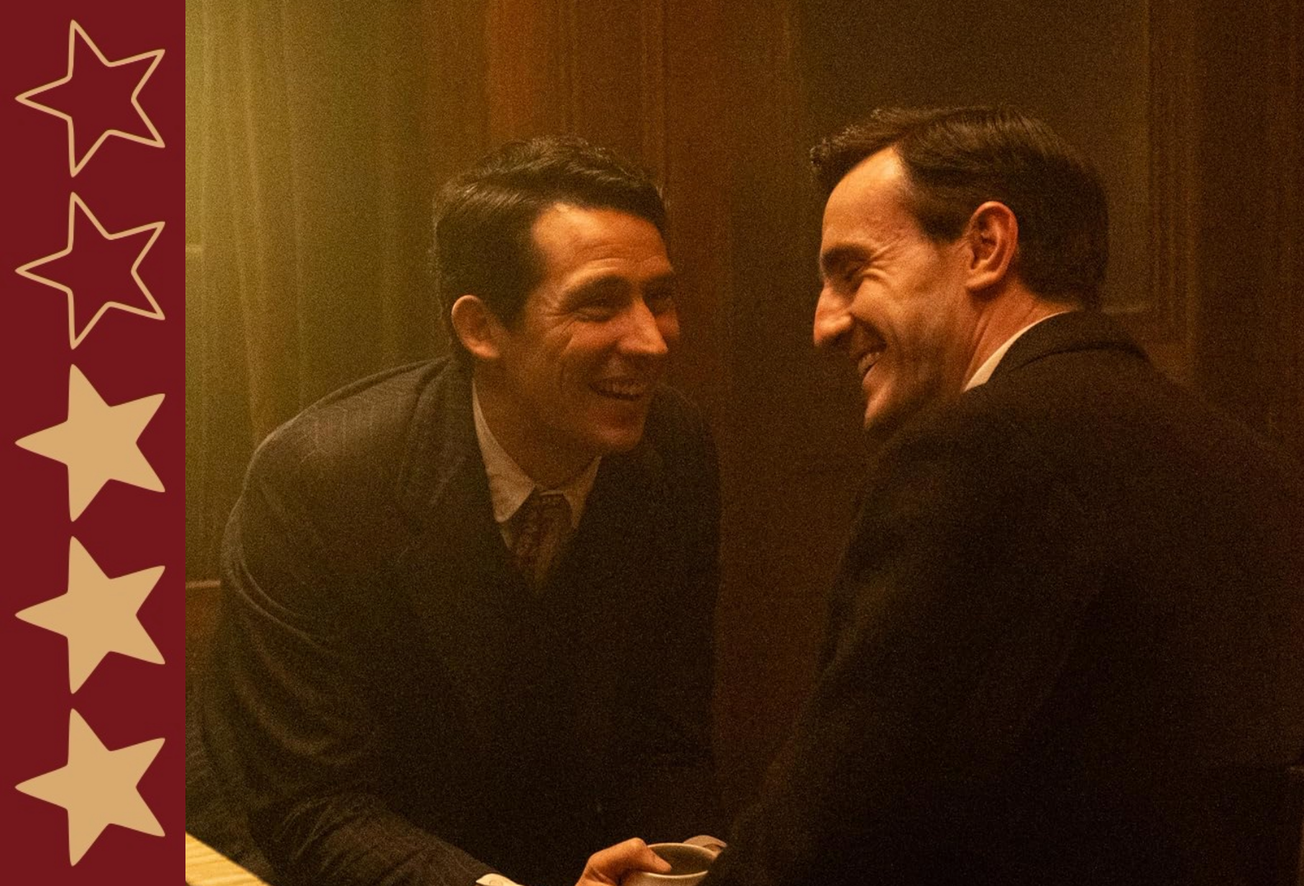
The film is a very, very slow 1920s love story of two sweet music students, Lionel (Paul Mescal) and David (Josh O’Connor). They meet in music school and bond over a folk tune before falling headfirst into a romantic relationship. Much of the film follows them on their intimate ‘song-collecting’ trip across the countryside, where they record folk songs from local people. Years after they part ways, Lionel struggles with grief after learning that David committed suicide.
Right from the jump, this is a relationship marked by music. I was so incredibly excited by this concept from the director, Oliver Hermanus, because some of my favourite, heart-swelling love stories are born from two people’s love for music — think The Sound of Music (1965) or La La Land (2016). But for a film called The History of Sound, its sound is surprisingly underwhelming.
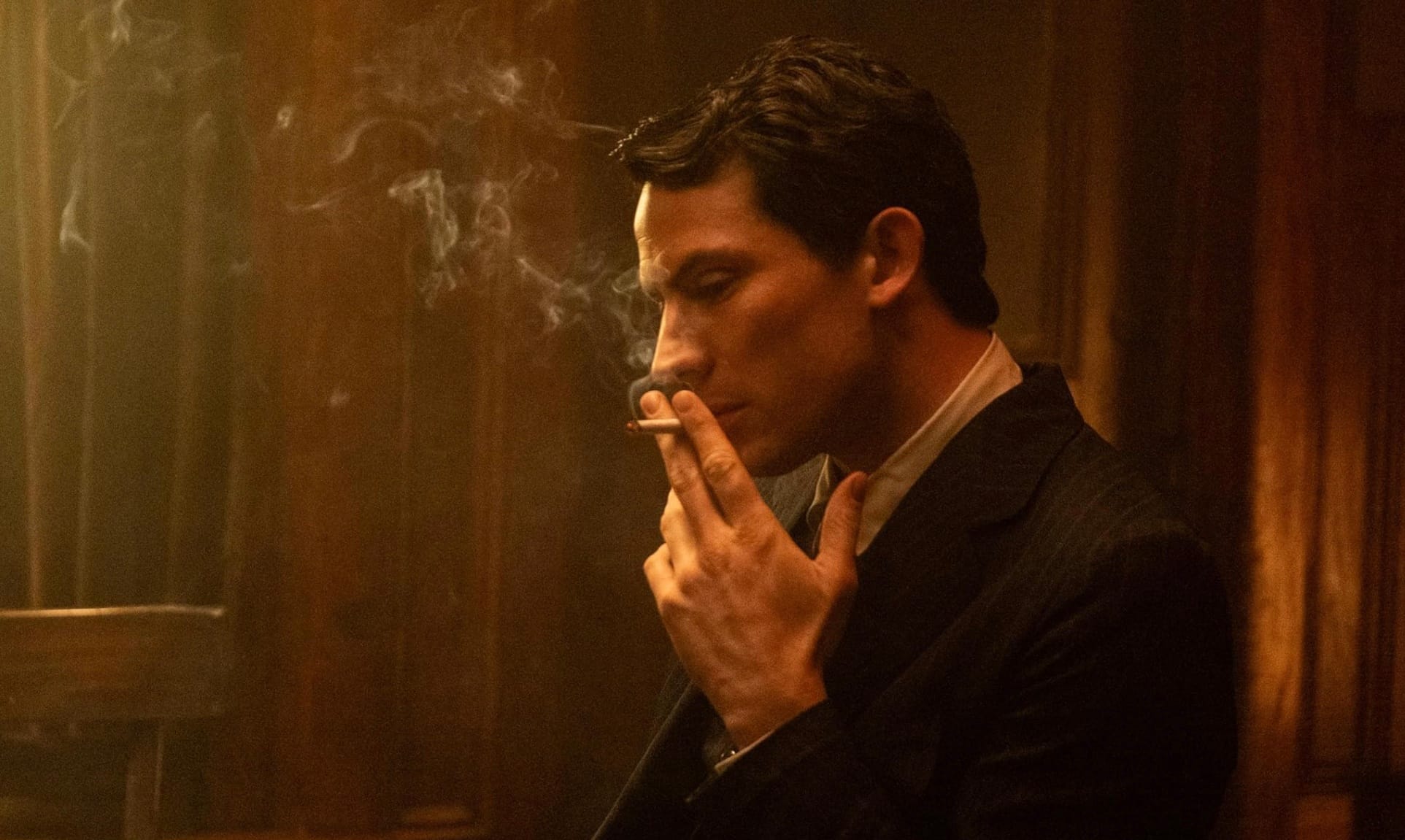
Maybe five or six folk songs are sung by Lionel, David, and some unnamed countryfolk throughout the film, and I swear if you close your eyes, you can’t tell the difference between any of them. They’re all raw vocals with no accompaniment and little context. If Hermanus gave us any sense of why he put each of them in the film, that would be absolutely fine. But he doesn’t.
Compare this to that (yes, that) scene in Sinners (2025), where an enchanting blues number brings an entire juke joint alive. The camera swivels, past and future generations are conjured into being, and the screen is bursting with gorgeous garments, gorgeous colours galore. I bring this up only because we’ve seen how necromantic film music can be. But that magic only comes when the director puts in the work to tell us what the music means to the narrative.
It feels like The History of Sound doesn’t give this enough thought. On one hand, you can enjoy the raw songs in themselves. They are beautiful in the way that a folk demo is beautiful in its bareness.
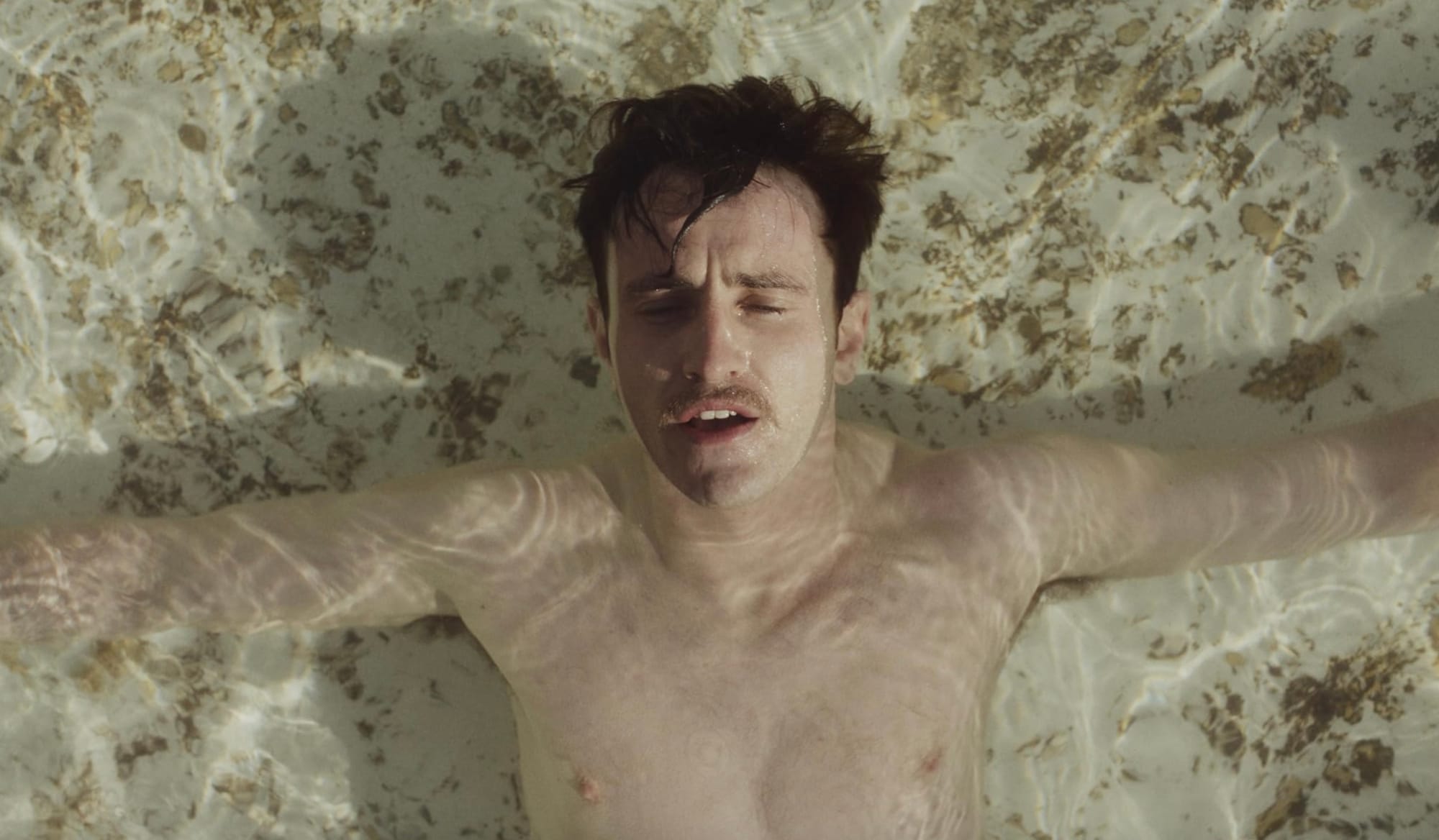
But beyond their musicality, there’s not enough to latch onto. You’re left scrambling for something, anything, that tells you why each song individually matters to Lionel and David’s story. At some point it feels so narratively static that you begin to doubt if the story is even about love anymore. Maybe Hermanus just wanted someone to listen to his playlist (which, for what it’s worth, Joan Baez and Jean Ritchie are fun picks for).
Still, the film is about love. In its final scene, an elderly Lionel listens to one of the old song recordings from David, dedicated to him. When he hears David’s voice, he can’t help but sob. It’s only in this moment that Hermanus’s themes actualise — just like the songs they collected, their love was fleeting and impermanent. But through memory and recordings, Lionel is finally able to relive it and reckon with his grief.
Unfortunately, this is too little too late. The sincere yearning to celebrate a queer love has already been buried beneath a bunch of tiring creative choices. I wonder if in the writer’s room they thought it was another home run, because it ticks all the boxes of its successful predecessors without using those elements with more careful nuance.
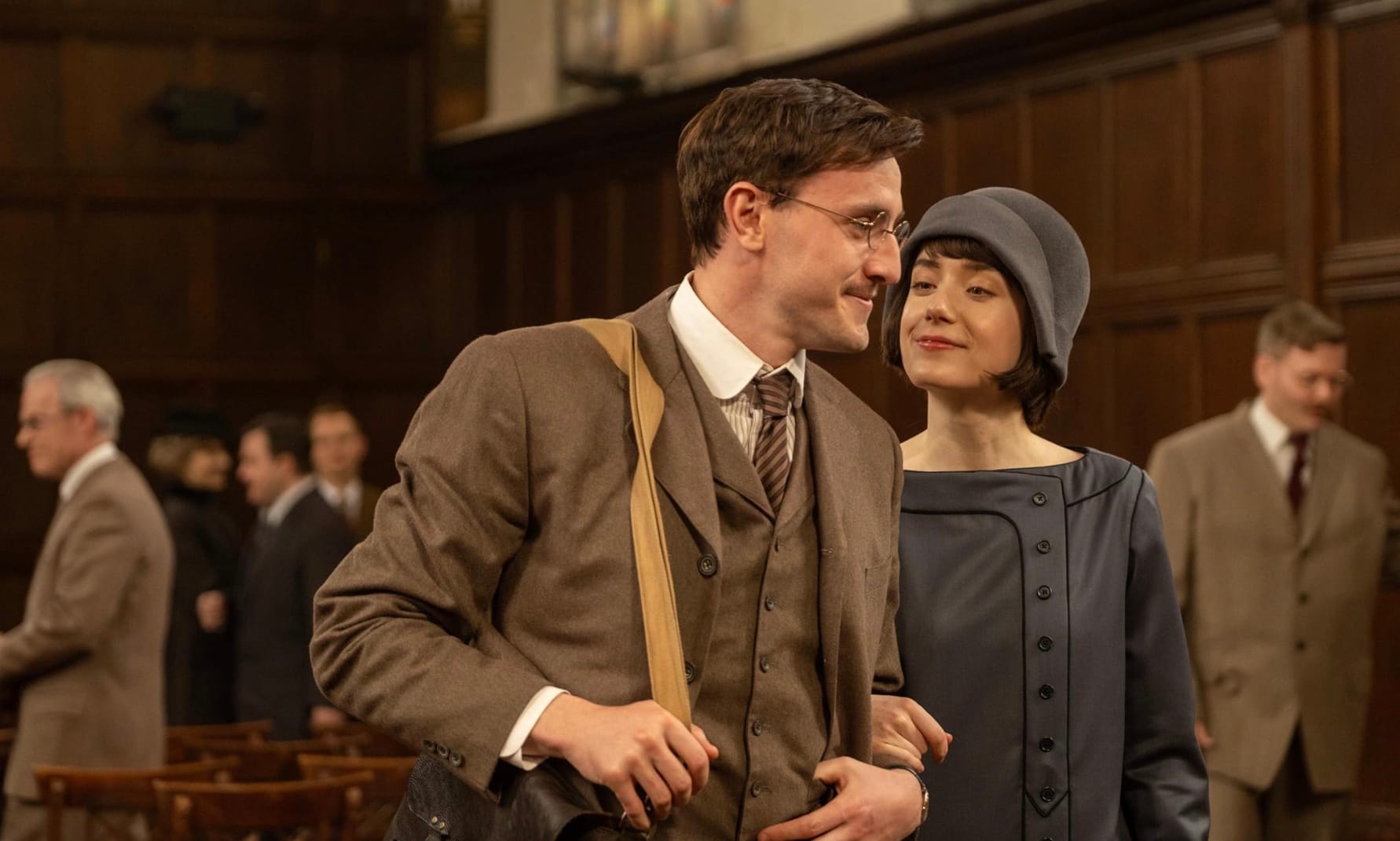
It’s as if they took the pensive pace from All of Us Strangers (2023) and those loaded silences from Portrait of A Lady on Fire (2019), but held those elements at gunpoint and didn’t let them move for the whole film. Unfortunately, what you get is a beautiful concept being coiled and ready to spring, but never does.
 Simren Jhalli
With that said, if you buy a ticket for this film, you know you’re in for something that breaks your heart. Though very restrained in the swings it takes, the film still kind of delivers on that promise. No matter how much pale cinematography or one-note dialogue Hermannus throws at you, it’s always sad to see Paul Mescal cry.
So if that’s how you want to spend your evening, give it a watch. But know that there are more fulfilling ways to feel sad for two hours and seven minutes.
Featured Image: IMDb / The History of Sound | Illustration by Epigram / Sophia Izwan
What did you think of The History of Sound?