By Skye Cox, Second Year, Film and English
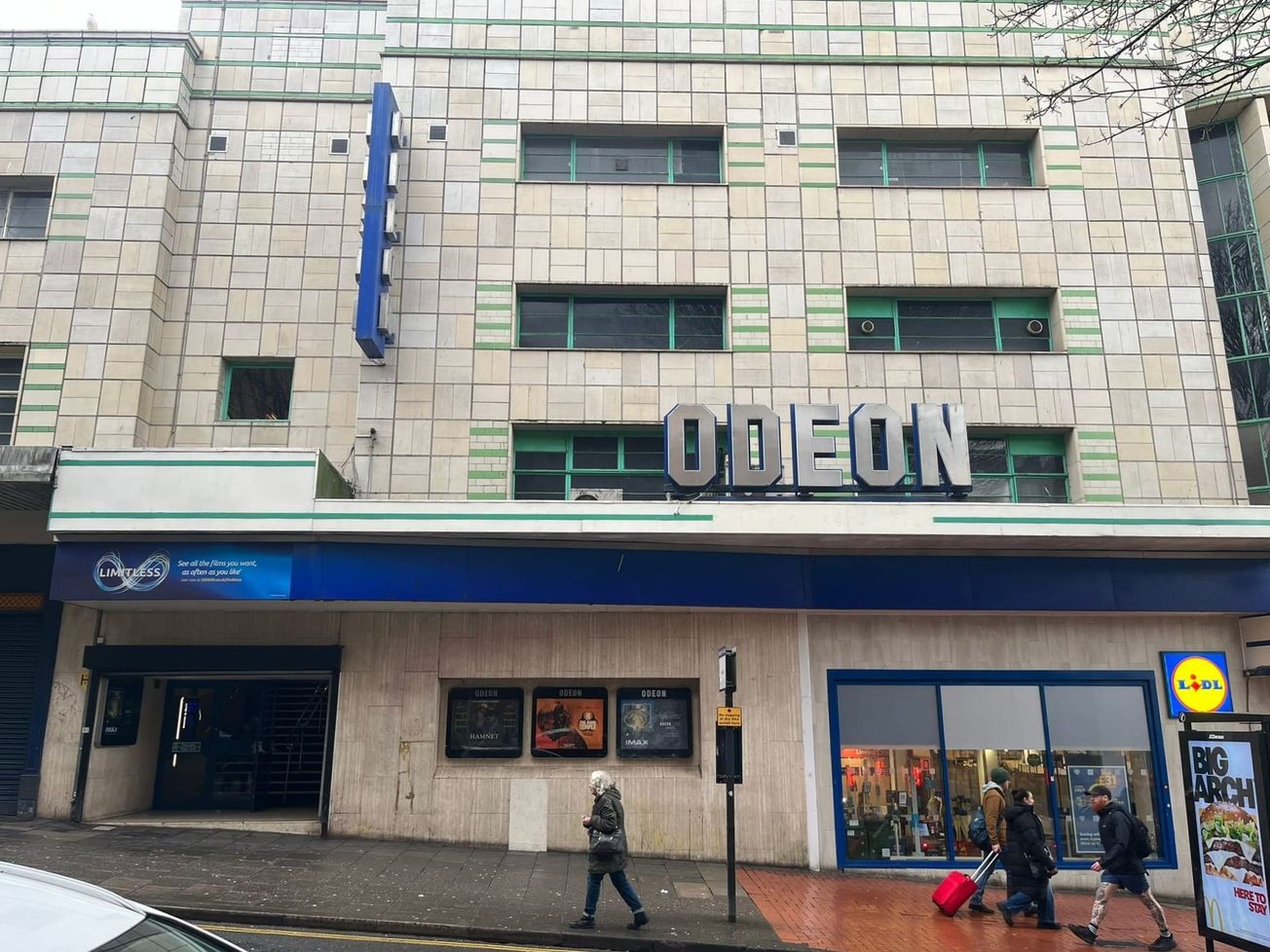
Opening my phone one morning, I was surprised to have received an email from Odeon Cinemas. Delving into it immediately, I was informed of the tragic news that their cinema on Union Street, Broadmead would screen its final film on February 11th, 2026.
If you’re also a regular cinemagoer in Bristol, you may have seen the following headlines that this closure comes with the news that a modernised, expanded Odeon Luxe will open in Cabot Circus the very next day.
However, with cinema operators warning that 1 in 10 UK cinemas now face closure, does this opening of Odeon Luxe offer an exciting new sequel to the long saga of Bristol’s cinema history or does this situation simply reiterate wider issues about the decline in the culture of cinema altogether?
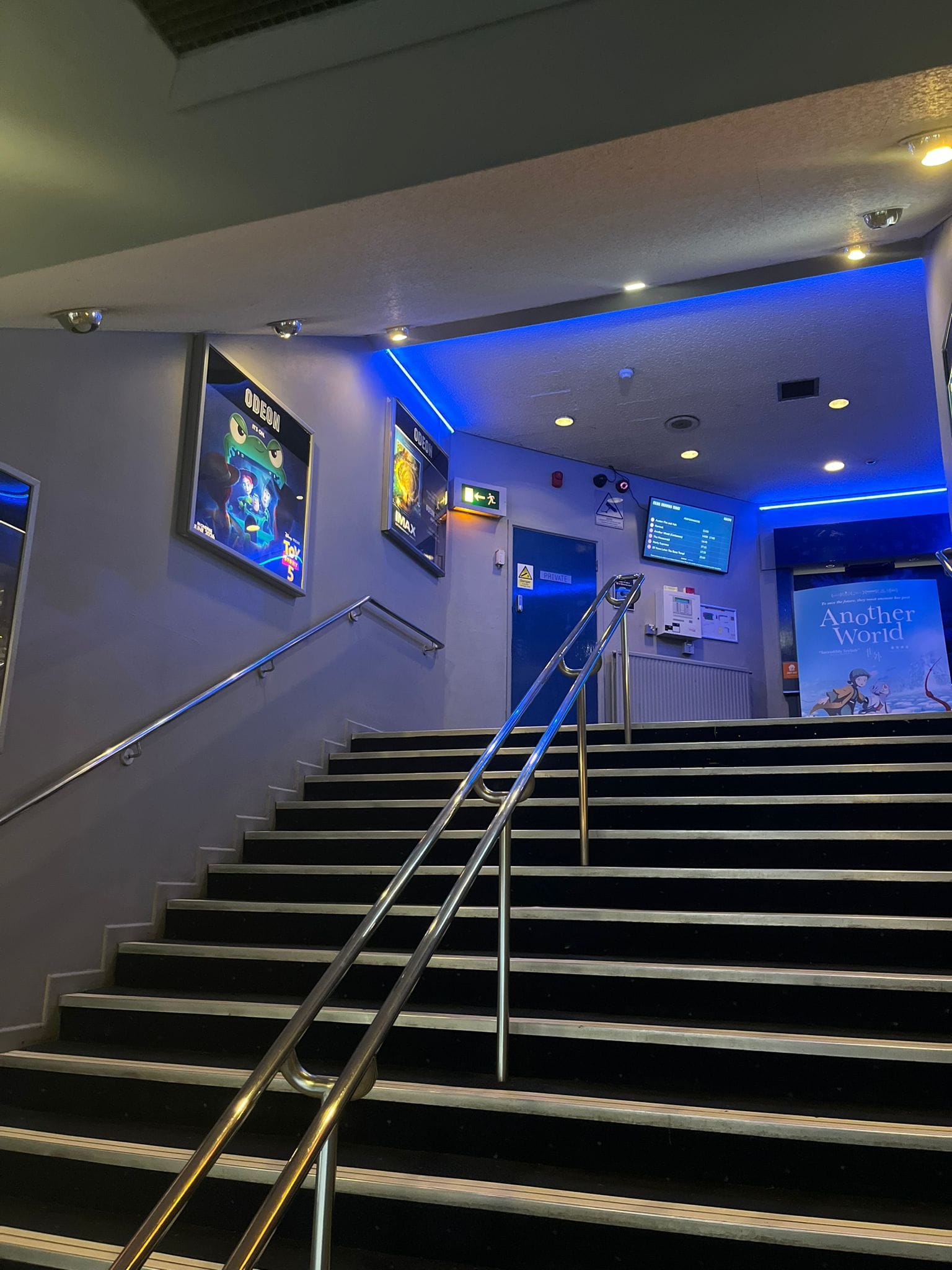
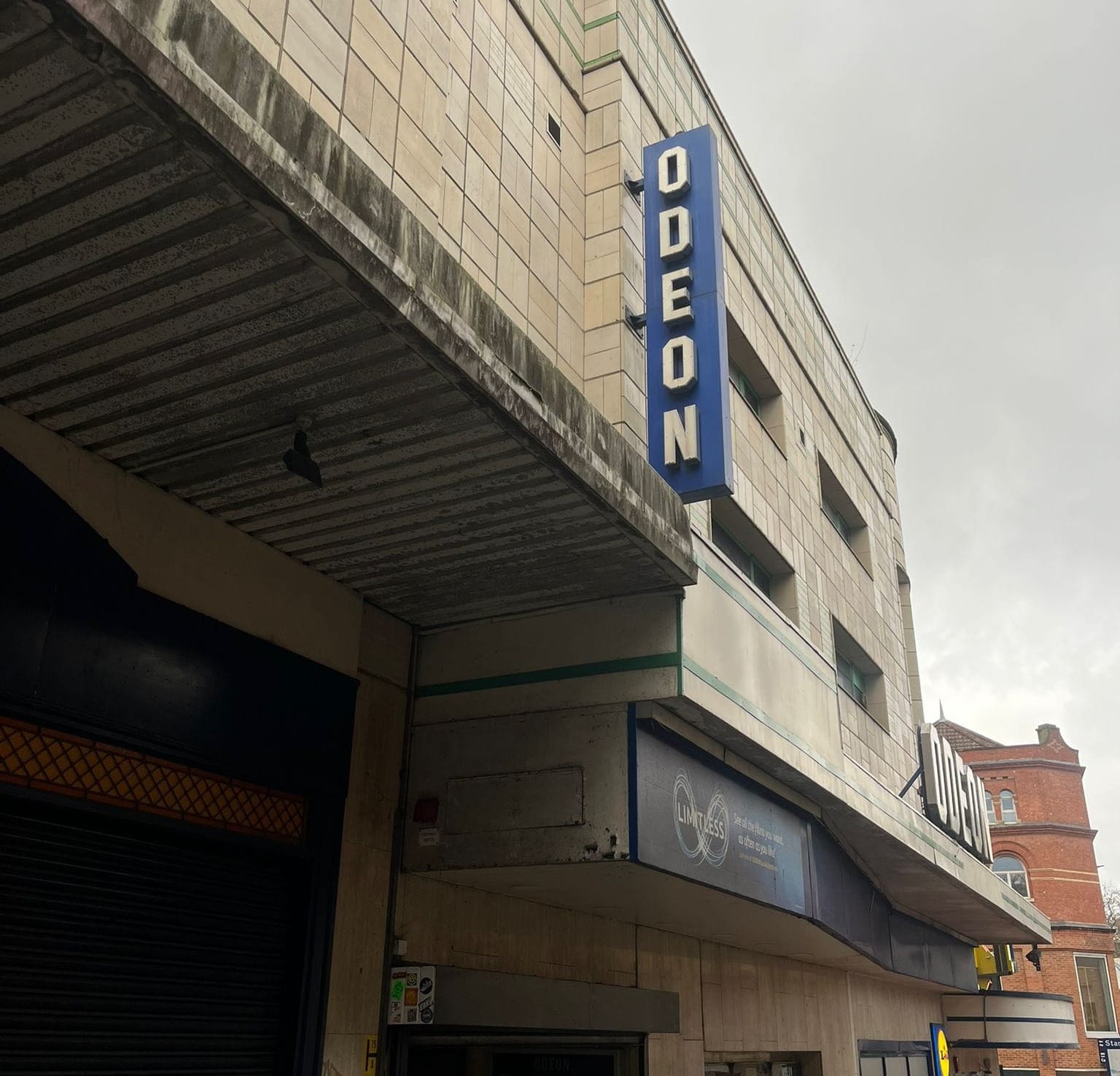
Before closure, many noted that the modern-day interiors of Odeon Broadmead certainly needed some renovation, however, the art deco exterior remains reflective of the time within which it first opened, July 16th,1938, meaning those walls hold nearly 90 years of history.
From surviving bomb damage in the Second World War to becoming the site of a tragic murder in 1948 (leading to theories of ghost activity!), it is certainly sad to lose this monument of cinema history.
Known amongst students as one of the lower budget places to watch films in the city, will the change in Odeon’s residence also mark the death of relatively priced cinema tickets?
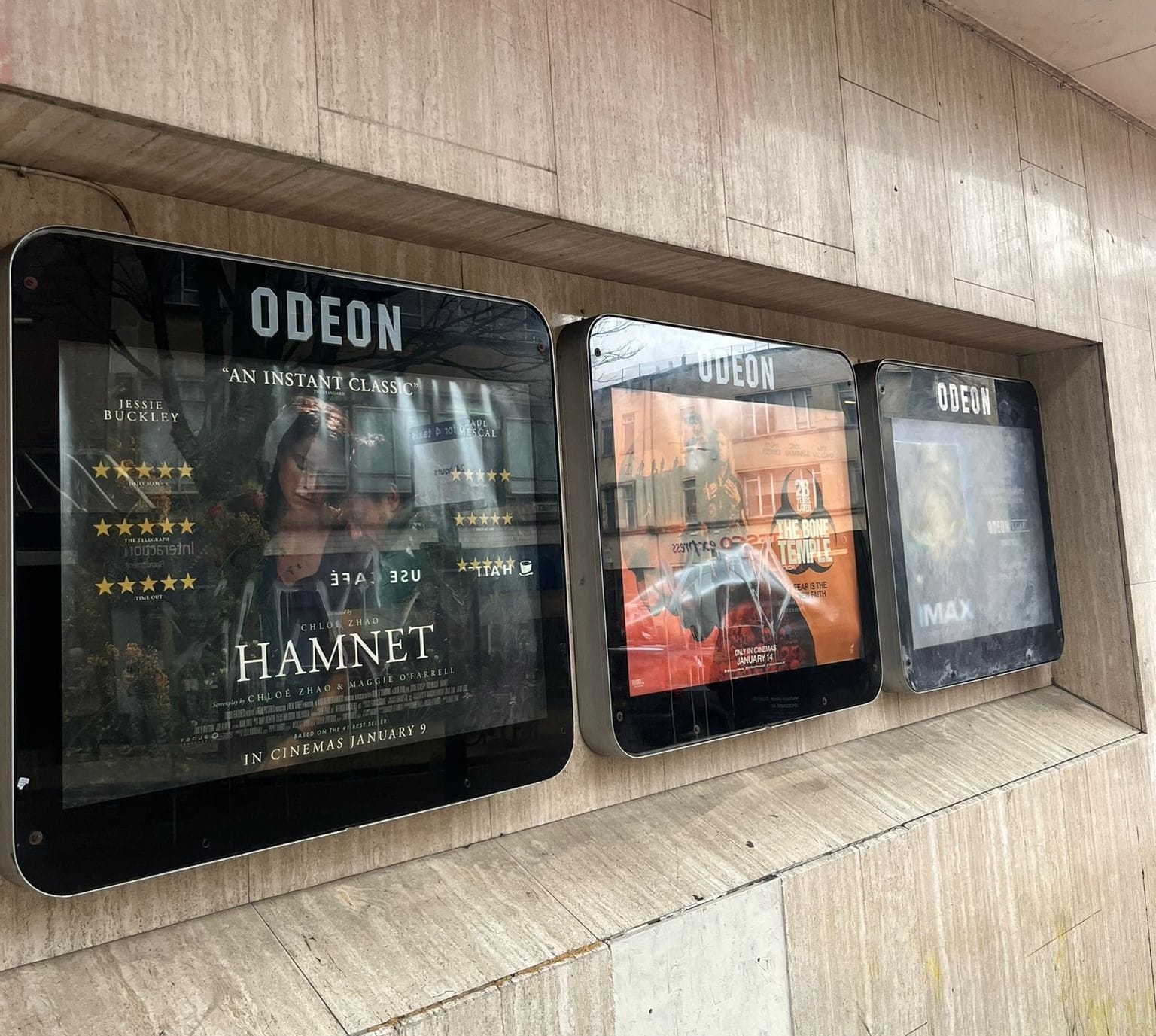
The new Odeon Luxe will take cinema to a whole new level. With a somewhat inflated price range, they will offer an elevated cinema experience: promising 4K quality, Dolby Atmos sound and a super-sized IMAX screen.
Whilst their new price mark may create a less accessible experience for the student population and the lower income families of the city, these grand modernisations will set a precedent for an upscale, technological approach to cinema. But does the city of Bristol hold the capacity or the demand for this future?
Across the country, the trend of cinema popularity is ultimately bleak. Since the Pandemic, the industry has faced constant decline with both Empire Cinemas and Cineworld going into administration in 2023. But it’s not just the cinemas that are experiencing this decline, the film industry are also facing significant losses.
Last year, Paul Thomas Anderson’s One Battle After Another (2025) became one of 2025’s highest acclaimed films, earning a critics score of 95% on Rotten Tomatoes and yet, was projected to lose Warner Bros. around $100m. This worldwide phenomenon of falling box office rates seems completely misrepresentative of the consistently thriving film industry today. This unprecedented decline can be underpinned by a change in the culture of watching film.
Notably, the time between a film’s cinema release and its availability on a streaming service has significantly decreased. Film production companies historically held a sacred 90-day window after cinema release, now reduced to an average of 30 days, with some films (such as Frankenstein and Wake Up Dead Man: A Knives Out Mystery) being dropped on streaming services in as a little as 2 weeks after their original release.
With Warner Bros. now in the process of being bought by Netflix, much speculation expects this culture of prioritising streaming services as becoming the most profitable solution for all parties.
Leonardo DiCaprio wonders if "people still have the appetite" for movie theaters and worries cinemas may become very niche, "like jazz bars":
— Variety (@Variety) January 3, 2026
“We’re looking at a huge transition. First, documentaries disappeared from cinemas. Now, dramas only get finite time and people wait to… pic.twitter.com/ytPkUQKBs6
Living within a relentless age of inflation and economic crises, it is unsurprising that consumers are turning to the convenience of their living-room TV over the expense of cinemas. As part of a generation who have grown up with the emergence of streaming, it is certainly possible that streaming will become the dystopian future of film…
Despite this, as a Film student and as a friend of many aspiring filmmakers, there is still something so intrinsic as seeing films on a big screen, sharing your most raw emotions with the strangers sat beside you.
Much value can continue to be placed on the cinemas of the Everyman and Watershed which reinforce this traditional film watching experience, bringing a sense of community back to film that has undoubtedly been lost through the influence of streaming.
So, to any young film fans and anyone new to the Bristol cinema scene who wants to fight back against this degradation of culture, I highly encourage you check out Watershed cinema this year. Take advantage of their fantastic £6 student deal, grab a pint and indulge in watching the latest (and maybe even the greatest) films in an art-centric, community space.
 Beth Nugent
Whilst the weight of the historic loss of smaller cinemas like Odeon Broadmead cannot be ignored, maybe the opening of the, albeit overpriced, Odeon Luxe acts as a glimmer of hope that cinema will remain rooted in the heart of Bristol.
So go on, get out there, and go watch Timothée Chalamet’s face on the biggest screen you can...
Featured Image: Epigram / Daisy Yates
What is your go-to cinema in Bristol?