By Arthur Baldwin, Second Year, History
For some people, watching their favourite team win can make their weekend; but equally if they were to lose it can ruin it. This is heightened further when playing football. A good performance and a win can make people feel amazing, but there can be nothing worse than a crushing defeat. These highs and lows of football make football act like a drug - The lows often make you chase the highs even more. Johan Cruyff once said ‘I have had two addictions in my life: smoking and playing football’.
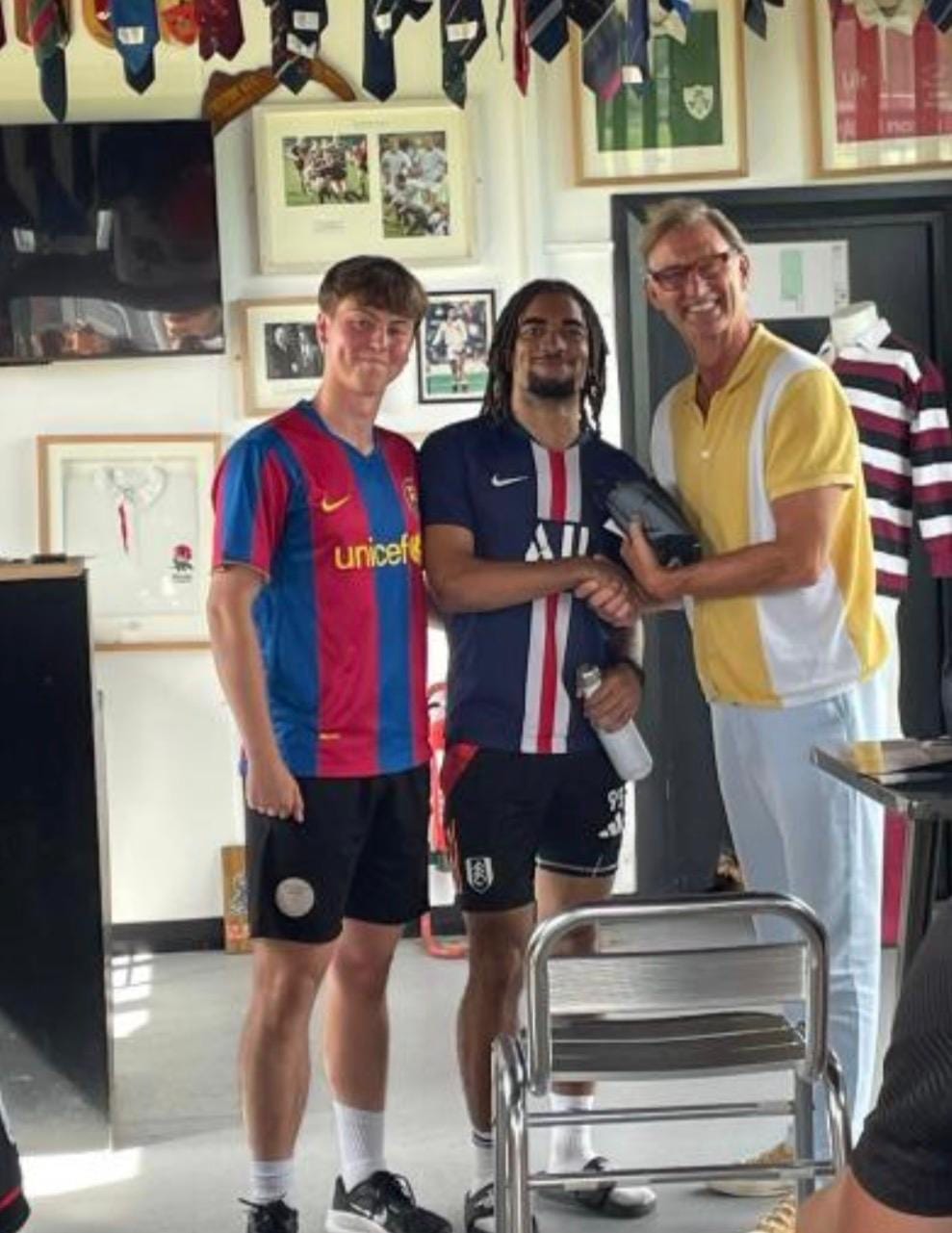
In August UBAFC (University of Bristol Association Football Club) were lucky enough to hear the words of Arsenal and England legend Tony Adams. He told us that Marco Van Basten was the toughest striker he ever faced in his career, but dealing with his mental health proved to be an even tougher challenge. He explained that football was indeed a drug for him, and he was addicted. After his first big injury he recalled staring out the window feeling extremely uncomfortable. Ultimately he had been forced to go ‘cold turkey’ on the game of football and this eventually led him down the road of addiction to alcohol.
It is not just Adams who has experienced football to act like a drug, this is a common story for so many. James Maddison, Paul Pogba, Paul Merson and Gabriel Jesus have also all expressed how time away from football has taken a massive mental toll on them. This is because the effect of football is similar to that of narcotics. The euphoric feeling players feel after a ‘goal rush’ or winning a big match is the result of chemicals such as oxytocin, serotonin and dopamine being released in the brain giving a massive ‘high’. Similarly, adrenaline is released by the body to increase alertness and reduce pain in parts of the body, as well as cortisol during periods of high stress.
After James Maddison tore his ACL playing a pre-season game against Newcastle in the Summer, he released a very raw YouTube video where he’s caught in a conversation saying ‘He just wants to be alone right now’ and wants to ‘cry and get it out’. James Maddison plays at the highest level in the Premier League and Champions League and would have hoped to have made the World Cup squad in the Summer, a missed opportunity that would have exacerbated his sadness.
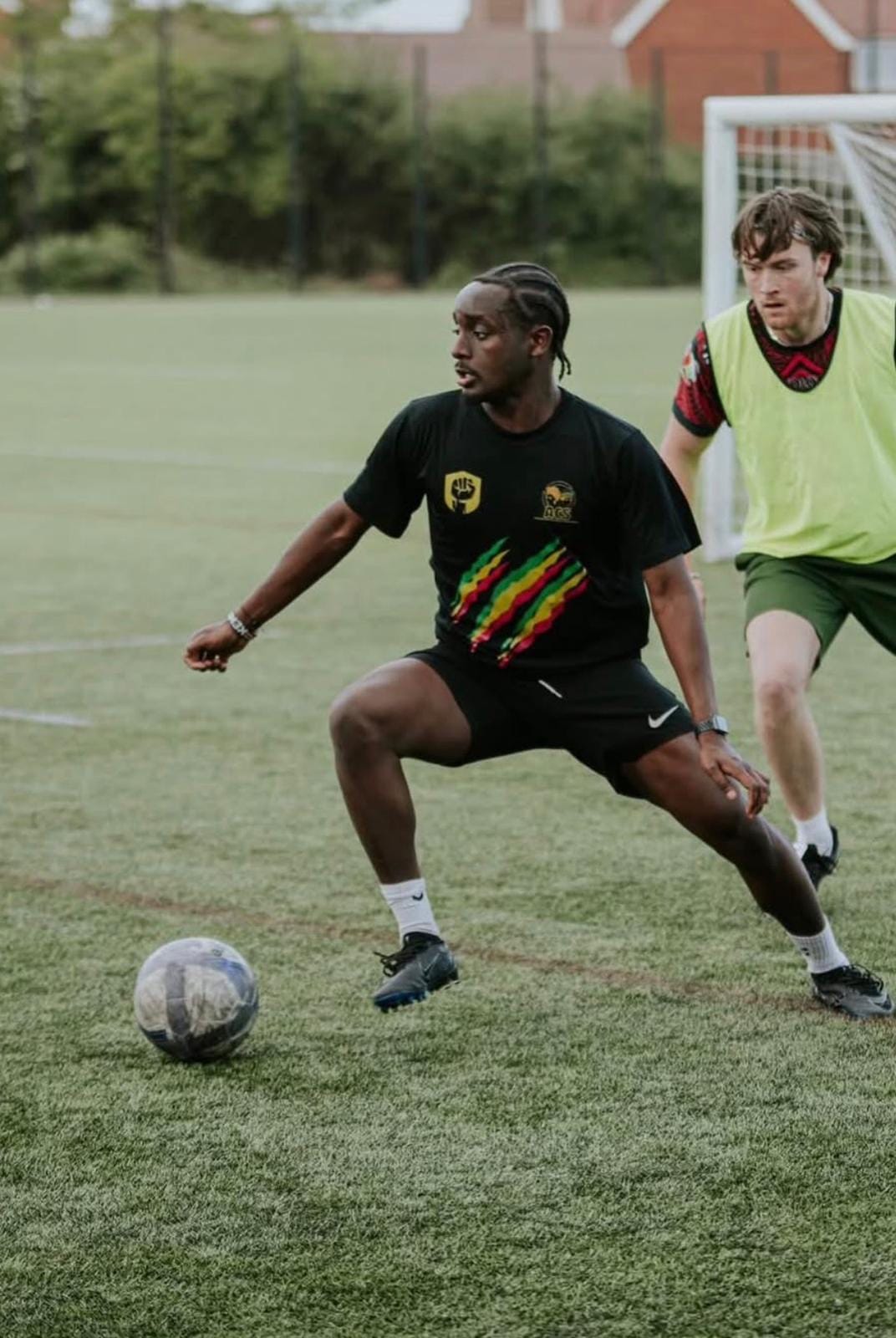
Whether you are playing at the highest level, or here at Bristol, the impact of injuries can have a massive mental toll. Second year, Monjola Adeagbo plays intramural football four times a week and has become one of African and Caribbean Society’s best players, has recently torn his ACL. He explained a similar situation to Maddison, as although he was in intense pain for a week and struggled to leave his room, the main issue for him was ‘more than just the physical pain’ it was the fact he could no longer play football. He expresses particular disappointment to be missing the upcoming derby against UWE. One of the main sources of excitement, he recalls, was waking up on match day.
Now, he said, ‘I just need my knee back’. When he decides to watch the team play without him he says ‘I felt jealous and frustrated’. The first week was especially tough, barely leaving his room as he could not even walk. I asked him if returning to football added extra motivation in places like the gym. Initially he recalled ‘It drained all my motivation’, but after the first month or so he said he was ‘excited’ ‘felt progress’.
The final thing I asked was whether he will be more grateful when he eventually returns playing in the Autumn. He replied ‘1000%, but it is difficult to even imagine’ and that watching others play makes him wish he did not take playing football for granted.
UBAFC player Josh Mugo has also recently picked up a long term injury. He explained that he ‘loves football’ and it normally ‘reduces stress during the week’. So he was understandably gutted when I spoke to him on the phone. However, Josh has still taken a positive attitude. During this break from football he said ‘I have more motivation to do work on injury prevention and improve physically’ in the gym.
Similarly, Josh recalled that playing football six times a week was ‘quite chaotic’ and since the injury ‘It’s given me a chance to organise other things in my life better’. The final positive take he took was ‘that the club is so good at continuing to integrate me socially’, although he noted it is still harder to relate to his teammates without playing.
This positive attitude is very impressive, but does not take away the huge mental toll that the injury still had on Josh, like Monjola the first week was ‘horrible’ as he was unable to walk. Furthermore, he called football “my stress easer which has now gone’, and explained that since the injury, ‘you never know the level of frustration until you live it’. Therefore, even though Josh is taking such a positive attitude, he is still finding the mental toll difficult.
For those like Monjola and Josh who are obsessed with football, not being able to play is so tough - so if you know anyone in your life who has recently picked up a long-term injury be sure to check up on them. Furthermore, their experiences highlight to anyone who loves the game of football to always be grateful for the time you have on the pitch.
Similarly, there is always light at the end of the tunnel, and although difficult for Josh or Monjola to hear now, when they eventually return, the game will likely be sweeter than ever. Gabriel Jesus, who was once widely regarded as the best talent coming out of South America in 2017, was struggling for minutes at Arsenal by the end of 2024, and was clearly frustrated, complaining ‘They don’t see I am only coming on for five or ten minutes’. He then suffered an ACL injury keeping him out for almost all of 2025. He stated he had ‘11 months of doubting’, but since his return in December, he has scored five goals and says he is a ‘different man with a smile on my face’ who ‘just wants to help the guys’. Clearly, despite the enormous mental toll of his injury, where he said ‘A day without football is a bad day’, he has returned with a greater gratitude and humility on the pitch. Now back on the pitch Jesus has said ‘I am hungrier than ever’.
Therefore, whilst this article hopes to point out how difficult the mental toll of injuries are at university, equally it aims to highlight reasons to remain positive and most importantly to those who love the game of football, to ensure they remain grateful to be able to play the beautiful game injury free.
Have you found that being injured has affected your mental health?
Featured Image:Instagram @ubafc