
By Caroline O'Beirne, Second Year, Politics and Spanish
Are you unsure how to navigate the next steps of your relationship? Has it all gotten a bit awkward? Are you waiting days to hear their response, refreshing your Gmail every other minute?
No, I’m not talking about your latest situationship, I’m talking about the ‘rentership’ you have with your landlord.
There are many reasons why students struggle with their 'rentership': it could be a lack of communication, inflexible time frames or even a lack of confidence students may feel when dealing with housing issues; having to learn their rights and responsibilities with no experience beforehand.
Nonetheless, to help you navigate this process a little easier, Epigram has produced a simple guide to helping you feel more prepared when navigating your rentership and all the other responsibilities that come with being a student renter.
- Before contacting your landlord, you need to know your rights and responsibilities in depth.
There are various responsibilities that by law, landlords have a duty to uphold. Guides like the Bristol Student Union’s handbook, ‘My Rent, My Rights’ provide excellent understanding of what you are owed as a tenant.
For example, landlords have a duty to provide safe and fire-resistant furniture, gas and electrical appliances as well as ensuring there is a smoke alarm on every floor and, ‘a carbon monoxide alarm in any room with a working fireplace or burning stove.’
'Every house will be different - your responsibilities should be specified in your tenancy agreement, and once you have spent some time navigating the house and its quirks all will become second nature.'
At the same time, it takes two to tango. There are responsibilities that we as renters must uphold. For example, checking fire and smoke alarms work when we move into our new home.
As a general rule, landlords are responsible for major repairs normally to do with the structure of the property: pipes, sinks, heating, toilets etc; according to an article by the organisation, ‘Save the Student.
Every house will be different - your responsibilities should be specified in your tenancy agreement, and once you have spent some time navigating the house and its quirks all will become second nature. A good example of this is when my flat first moved into our 2nd year house and after just one night, the stove stopped working. We called up our agency, upset we wouldn’t be able to cook anything to eat that night but it turns out the main switch had just been turned off. As you can imagine, we were very embarrassed.
2. The key to a succesful 'rentership' concerns good communication. This can take many forms.
This means reporting problems as soon as you can and providing as much detail as possible. It also means emailing them to make sure you have records of what’s being discussed, even when you have spoken to your landlord in person or over the phone. Overall, we truly advise to keep things polite and friendly.
On the other hand, that might sound a little optimistic. In many cases, landlords and property managers may take days to get back to students and can provide inflexible time frames. One example of this is a student who told Epigram that her agency doesn’t even have an office in Bristol and when she was trying to pick up her keys, there was only one time slot she could do that. To her dismay, she was away at that time. Inflexible time frames are a common problem students face. According to one survey, 27% of students complained that their landlords took over a week to fix various issues in their houses.

3. It is crucial to plan and stay organised
This means keeping track of any payments which your landlords invoice you for and staying on top of any issues which have developed throughout the house i.e. dampness or even the invasion of pests.
4. Some advice on the best ways to contact your landlord
Leaving a voicemail on a Friday evening is perhaps not the best plan, as it won’t get checked till Monday morning if the agency is not open over the weekend. Of course, emergencies can happen in which case it’s important to contact your landlords immediately. For example, if you discover rats within the house, not only do you have to contact your landlords immediately, but also your local health authority. In our case, this is Bristol City Council.
Overall, so long as you believe that you are doing the best you can to be professional and take responsibility, there is nothing to be worried about. If your landlord is not keeping up with their side of the bargain, it’s best to contact the University for advice. If you believe your landlord has acted illegally, contacting Citizens Advice or charities like Shelter is essential.
 Alexandra Hill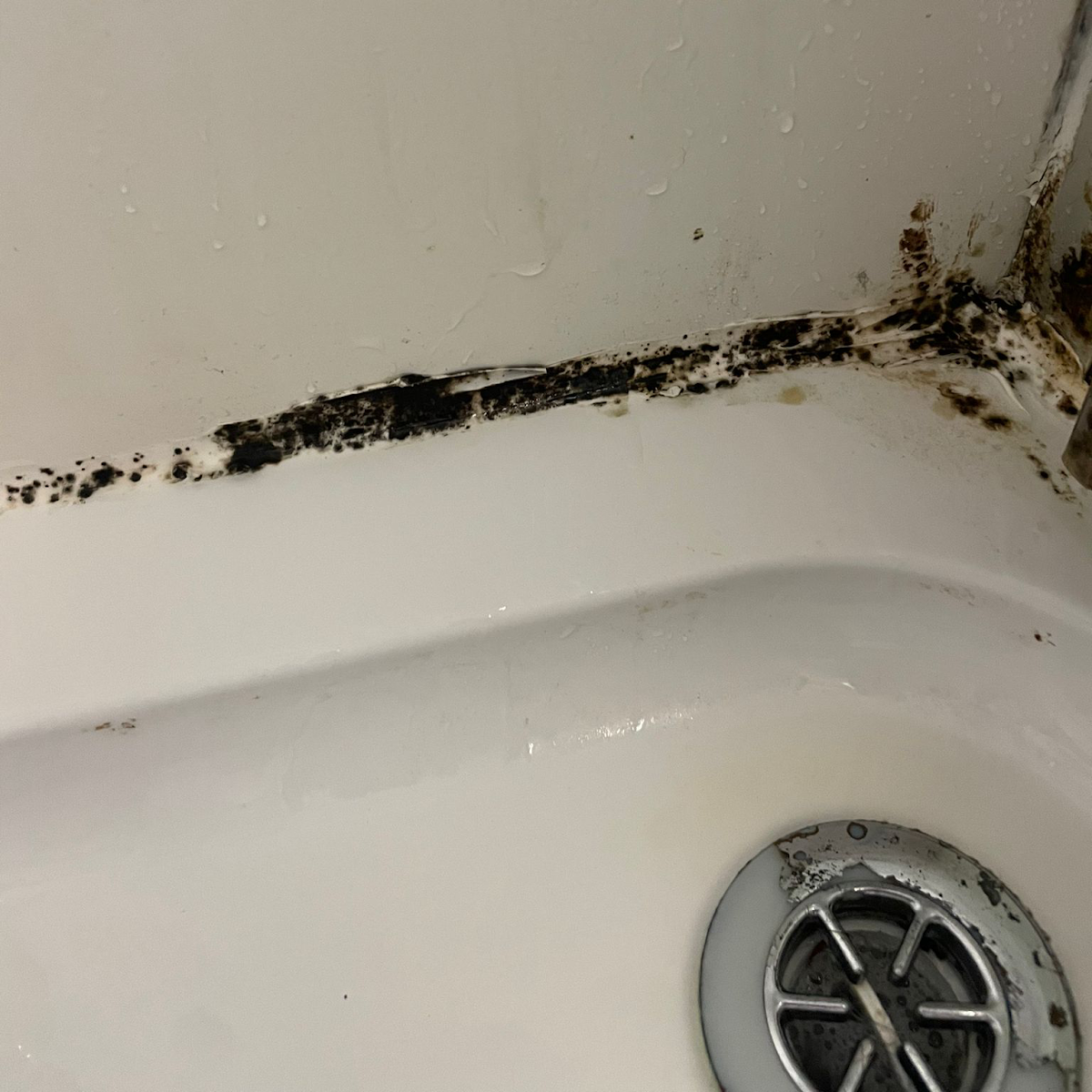
When issues arise within your house, remember you are not alone. According to a survey of over 1000 students carried out by the organisation, ‘Save the Student’, 31 per cent said they suffered from dampness in their house, 27 per cent said there were electrical faults and another 27 per cent said their house lacked proper water and heating.
Learning to develop a good ‘rentership’ with your landlord might seem trivial when having to deal with such serious issues; especially if it is beginning to affect your mental health. However, understanding what you can do to best help your own situation will not only best help your house, but also your confidence when dealing with adult issues.
Featured Image: Epigram / Merle Greany
Have you had to navigate a relationship with an unresponsive landlord before?