
By Janine Tan, First Year, Law
It’s not easy to make films that settle in people’s hearts so dearly. That’s why it’s such a pleasure to have lived with the films of Rob Reiner, the director and actor who died on Monday 15th December at age 78.
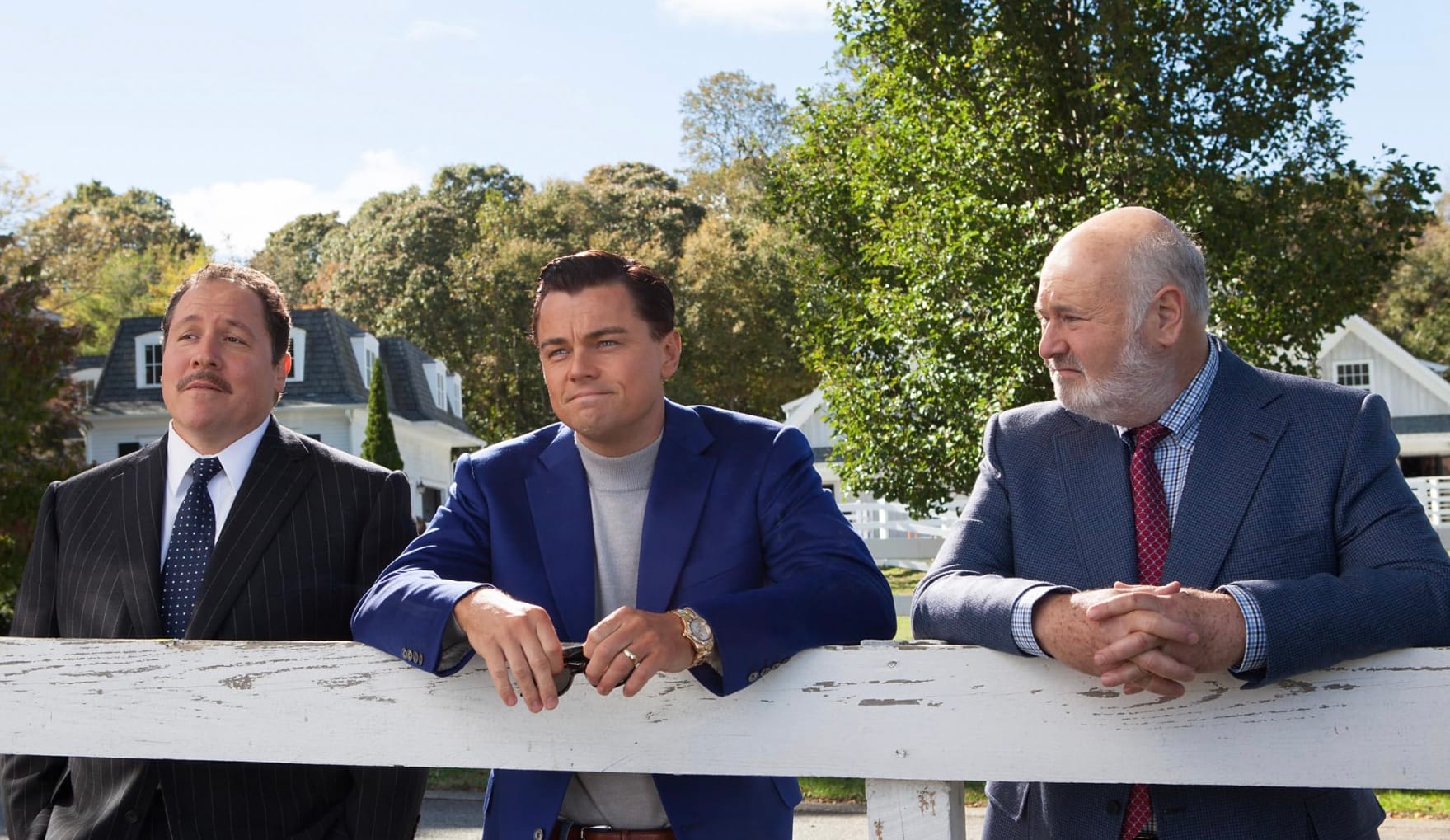
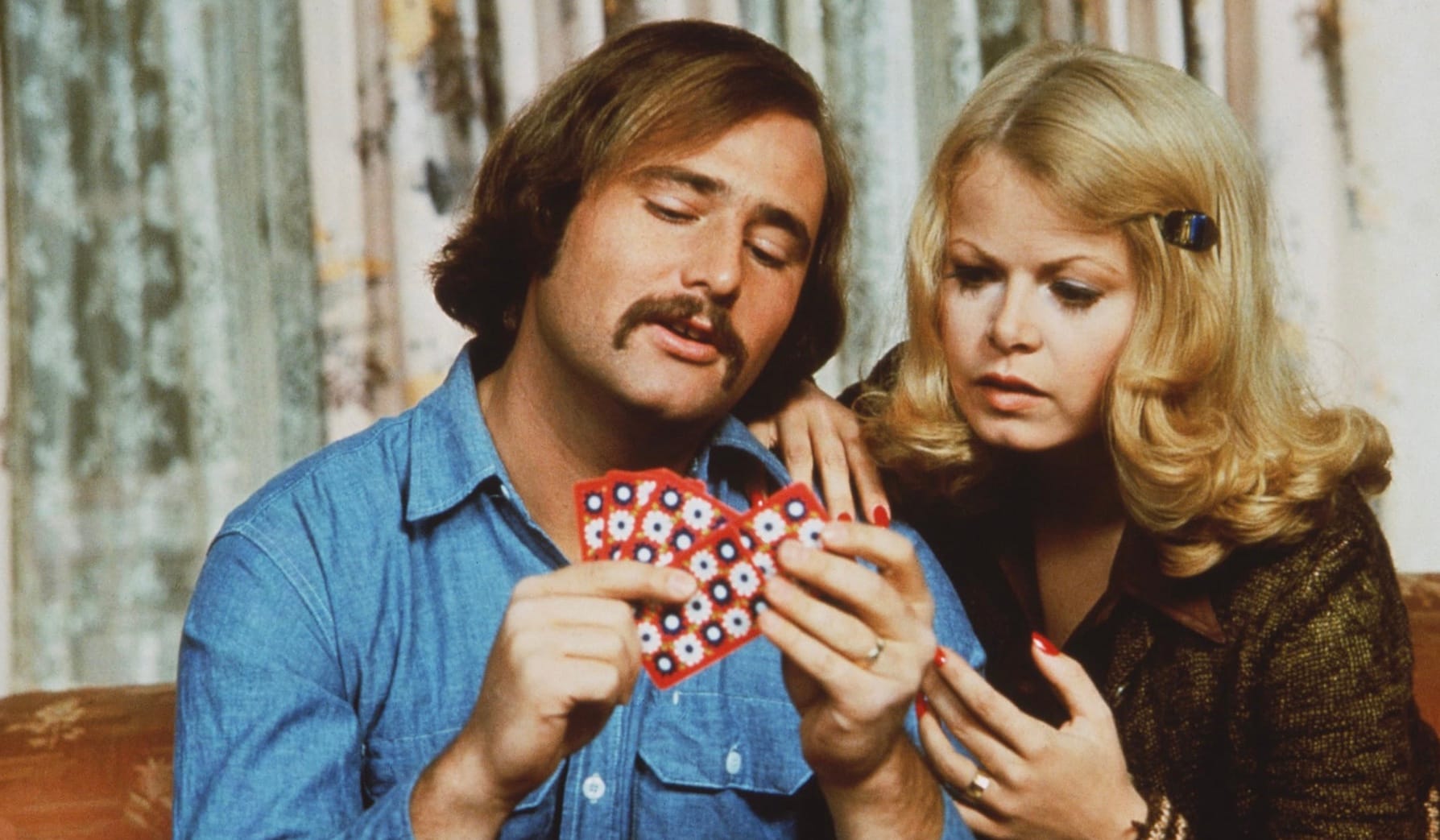
Though he might not be a household name, you probably know Reiner from somewhere. You might recognise him from his breakthrough role as Michael “Meathead” Stivic in the award-sweeping 1970s sitcom All in the Family. More likely, though, you’d have seen his later appearances in Sleepless in Seattle, The Wolf of Wall Street, or the television show New Girl.
But it’s hard to keep lauding his success as an actor when it’s eclipsed by his incredibly exciting impact behind the camera. Reiner’s directorial filmography is jam-packed with the cultural favourites: Stand by Me, The Princess Bride, When Harry Met Sally…, Misery, and A Few Good Men.
Such a legacy makes us squarely confront the fact that Reiner could not be pigeonholed. He hopped from genre to genre; comedy, drama, romance, and horror. Yet, what runs through all of his work is not consistent genre or visual style, but what I think is his unmistakable human goodness.
Nowhere is this clearer than in The Princess Bride, a personal favourite. It’s perhaps the greatest testament to who Reiner was as a storyteller. Framed as a grandfather reading a fantasy novel to his irreverent grandchild, the film mirrors Reiner’s keen awareness that a story only works when you understand who you’re talking to. He, too, pokes fun at his own tale, using the grandchild as a mirror for our own ugghhhh-ing at the excessive romance and melodrama, so as to quiet our objections long enough to take the story seriously.
When we do, Reiner directs with deceptive precision. He reminds us why we love fantasy in the first place. Of course, much can be said about him nailing the stock aspects of every genre he pursues. This film has fantastical set pieces, melodramatic writing, all shrouded in a score of swelling strings.
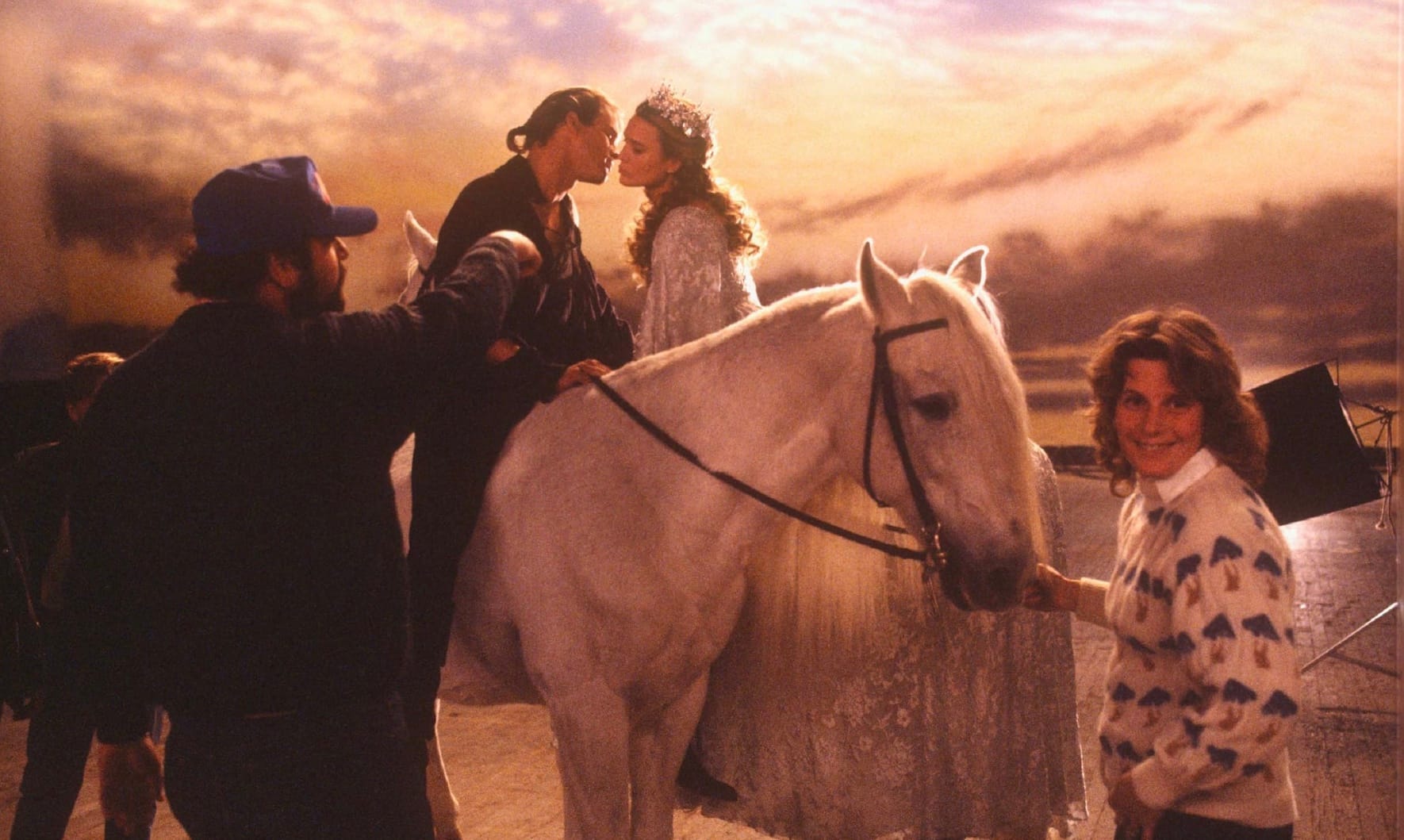
But more uniquely, he had this inconceivable(!) ability to breathe fresh life into clichés, because he did them in a self-aware manner. Over the course of the film, the bored kid begins to root for true love to triumph over sword fights, revenge for dead parents, and onious monarchy. In a similar way, we, too, warm up to the fundamental ideas that Reiner knew underpins fantasy: love, redemption, and good versus evil.
That’s what makes Reiner’s work so fascinating: he consistently repackaged overused genres into a reminder of why we care about such genres in the first place. In revisiting his films, he’s got an unfailing streak. Really, you could close your eyes and pick any of them.
We could look at his horror film Misery, which bends the rules of horror by setting so much of the runtime in daylight rather than the dark unknown. Alternatively, we could look at his classic romance When Harry Met Sally…, which subverts the tried and tired trope of love at first sight, in favour of a more honest, fluctuating relationship tracked over the course of twelve years.
Despite only ever dipping his toes into each genre, his skills adapted to be exceptional for what each work called for. He was, in this way, an underrated director. Uniquely attuned to the audience, he took stock of whether you were tired or disillusioned, and imbued you with a novel sense of wonder at what any genre of film could potentially be used for.
 Charles Hubbard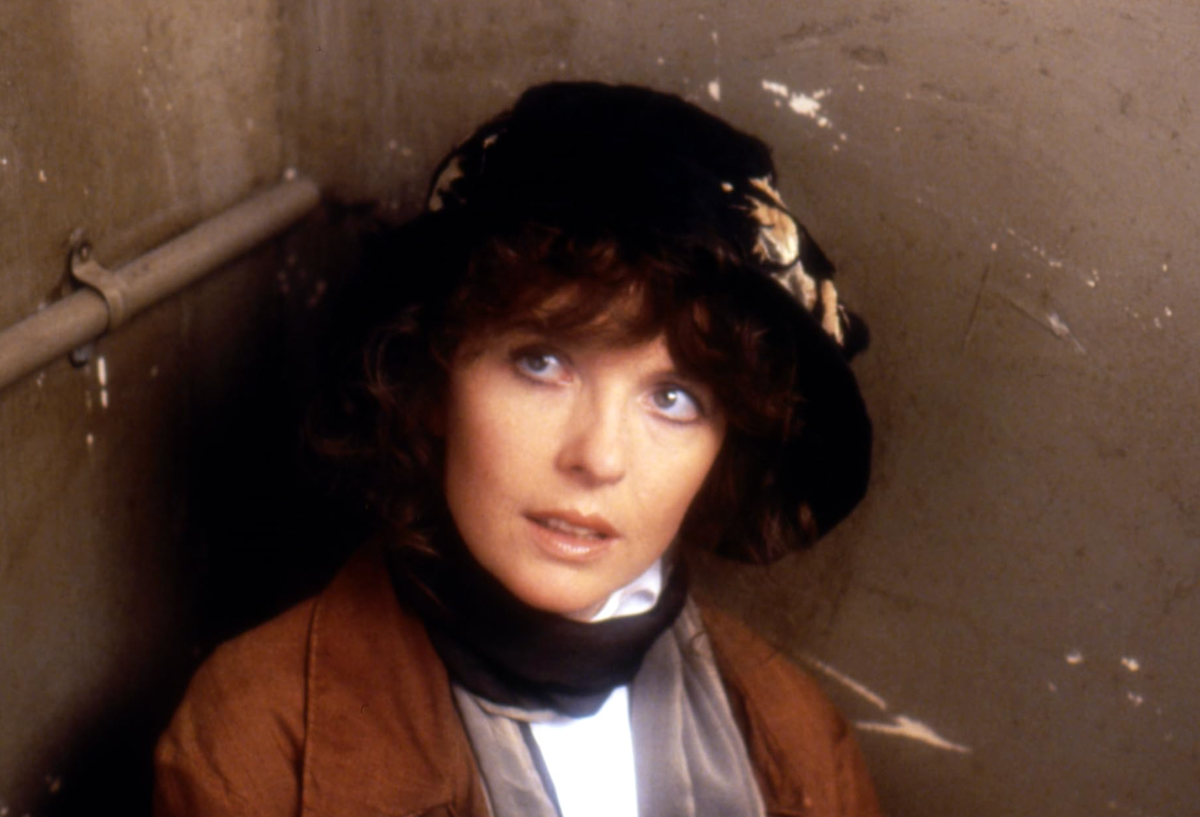
On a personal level, it’s impossible to create such genuine films without a genuine person behind them. In an industry increasingly dominated by megacap, box-office focused companies, there’s something very sacred about Reiner’s approach. He clearly let his optimism on film and stories guide him.
Perhaps, that’s why he famously changed the sad ending of When Harry Met Sally to a happy one after falling in love himself. That’s why he pushed to adapt his favourite childhood story, The Princess Bride, despite over four directors before him trying and failing to.
In the same vein, it was clearly reflective of himself when he said, "If you are a creative person, you try to create things that are an extension of yourself". His own hopeful and innovative films were an extension of what he believed in, which is a philosophy and presence in the arts which will be dearly, dearly missed.
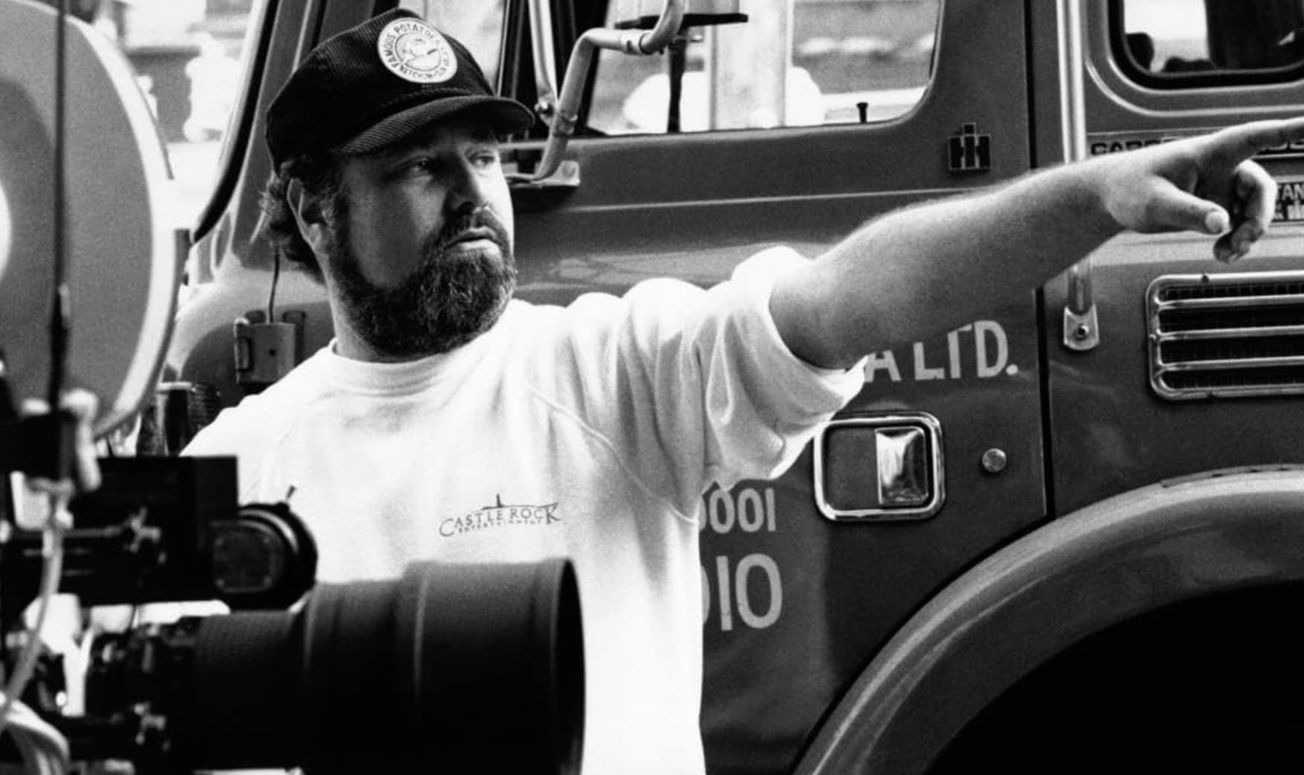
Featured Image: IMDB / Rob Reiner on the set of When Harry met Sally...
What is your favourite film/tv show that Rob Reiner acted in or directed?



)