By Janine Tan, First Year, Law
When we saw Jessie Buckley contort in screams of grief in Hamnet (2025), or Renata Reinsve kiss a married colleague in bouts of stage fright in Sentimental Value (2025), there was a validating sense of female realism that reached the big screen. Conveniently though, these were still quite palatable. It did not even occur to me that an even more unfiltered depiction of the agonizing female experience could be done.
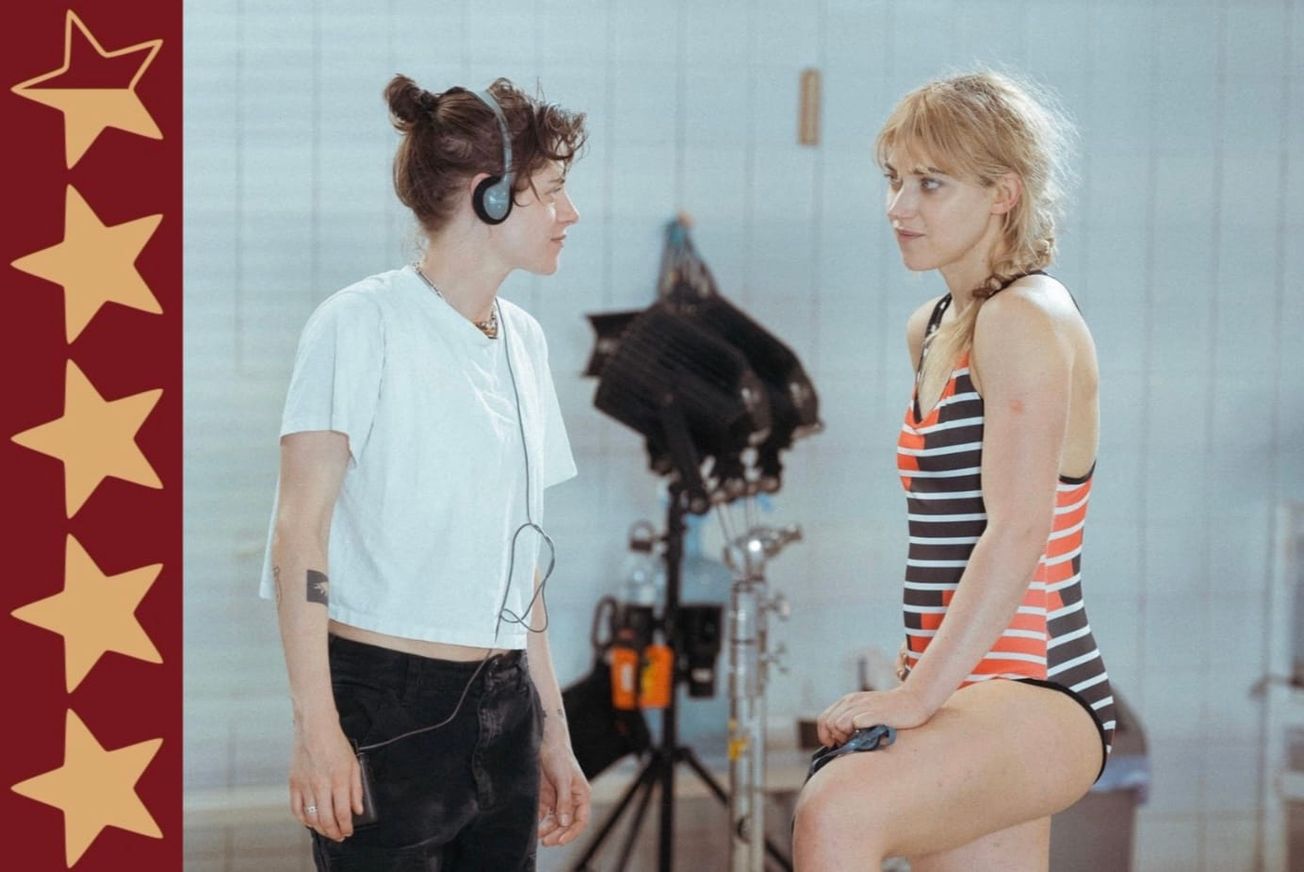
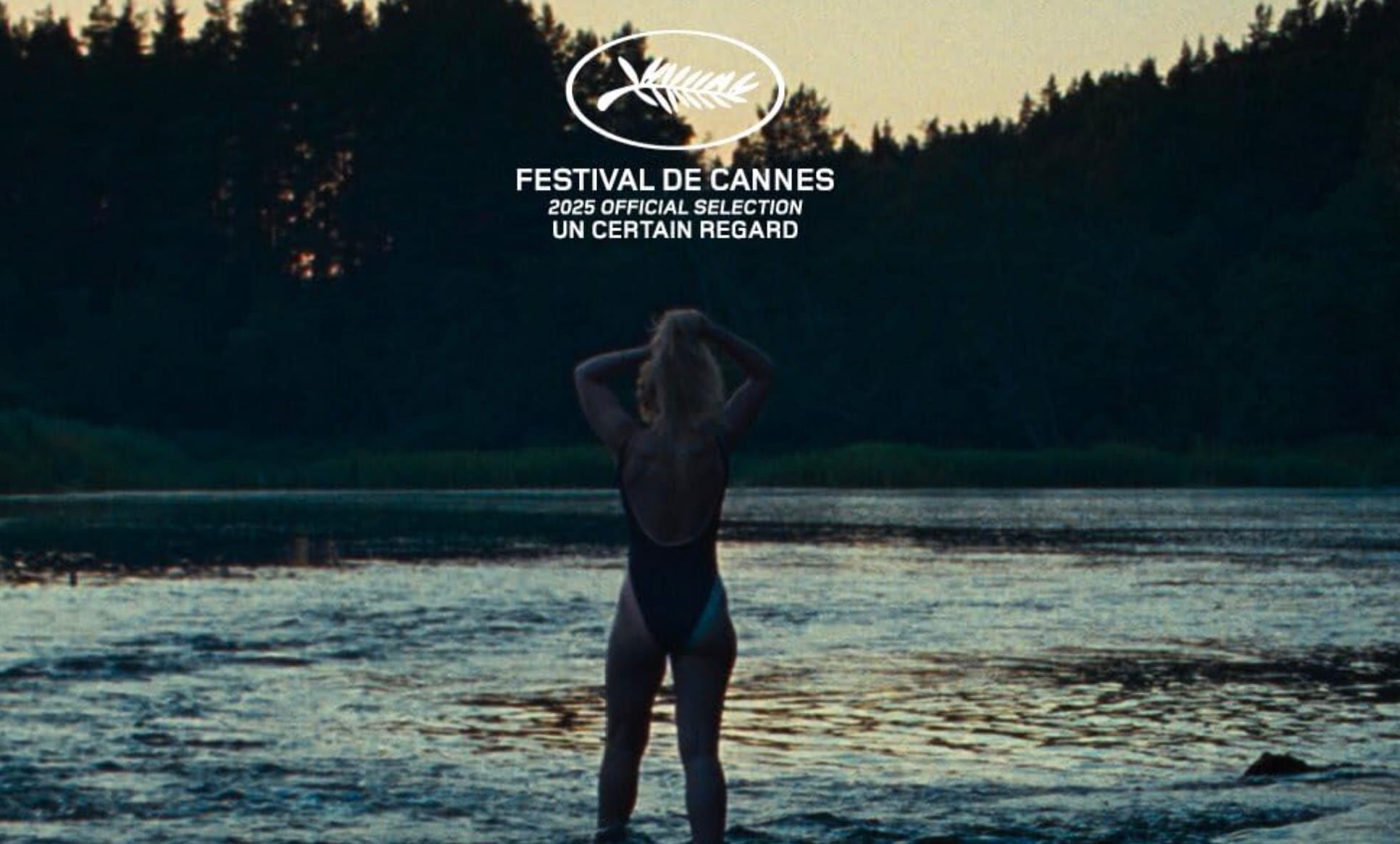
But in the most fearless directorial debut we could wish for, Kristen Stewart did just that with The Chronology of Water (2025), an adaptation of the novel by Lidia Yuknavitch. The film, in its sweet faithfulness to the book (*cough* looking at you, Wuthering Heights), charts Yuknavitch's life across five acts.
As a kid, her father sexually abused both her and her older sister, while her mother was a bystander alcoholic. Yuknavitch then escaped into competitive swimming and attended college on a swimming scholarship. But by that point, she had devolved into self-destructive behaviour and addiction. Her piled-on childhood traumas continued unmanaged, until she found sanctuary and professional success in writing.
That linear plot synopsis is misleading. The book itself is a disorienting read, flashing between past and present, mirroring how childhood trauma fragments your ability to ‘normally’ progress through life. In any other scenario, I'd be worried that this wouldn’t translate well into a film unless Stewart works some Memento (2000) magic. But to every book lover’s relief, Stewart does seem to have a deep understanding of Yuknavitch's writing.
‘Lidia’s inner voice spoke to mine, and her memories started to overlap with my life in a way that I thought was so cinematic,’ Stewart said in an interview. For once, it’s satisfying to see a director fully connect with the source material’s message. In this case, it’s what Yuknavitch calls ‘a woman allowed to be fully human, embodied and speaking with her full array of human emotions and truths.’
This multiplicity of Yuknavitch’s story was deliciously brought to life in every technical aspect of Stewart’s film. I want to sing its praises forever. The film was shot on 16mm, which adds to the overall feeling that you are looking at someone’s brain flipping through memories. This exceptional cinematography by Corey C. Waters is accompanied by some uneasy editing by Olivia Neergaard-Holm, who intercuts the film with aphoristic flashes and jarring jumpcuts.
All these facets come together into a relentlessly difficult, but worthwhile watch. The film cares very little about making you feel comfortable, which is apt for a story about how terrifying it is as a woman to grow up the way Yuknavitch did. Genuinely nothing could have prepared me for the visceral reaction it got out of everyone in the theater. I remember being breathless at times. Even Thora Birch, who plays Yuknavitch’s older sister, describes it as ‘heavy shit… We’re talking about period blood and stillborns and familial sexual abuse.’
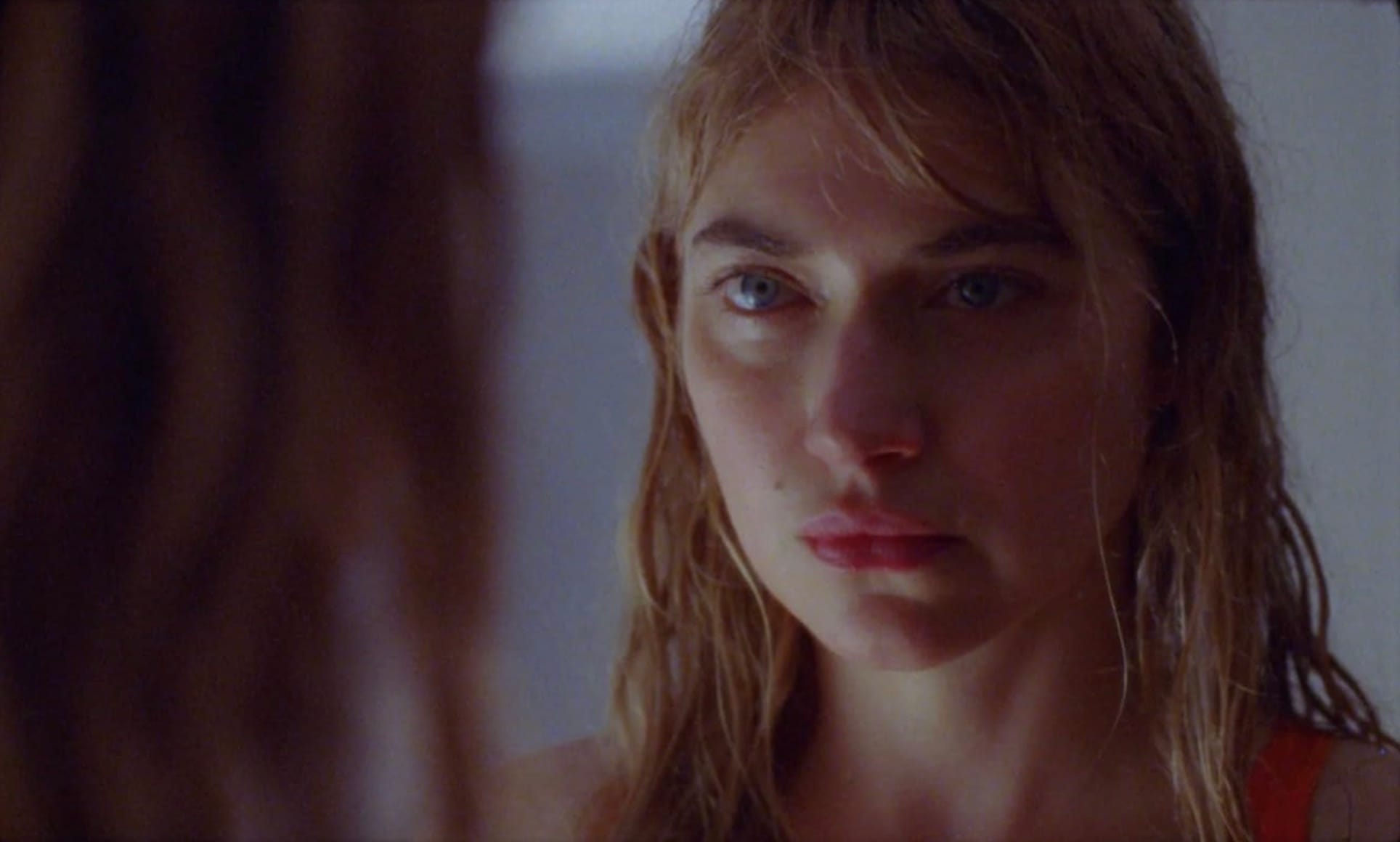
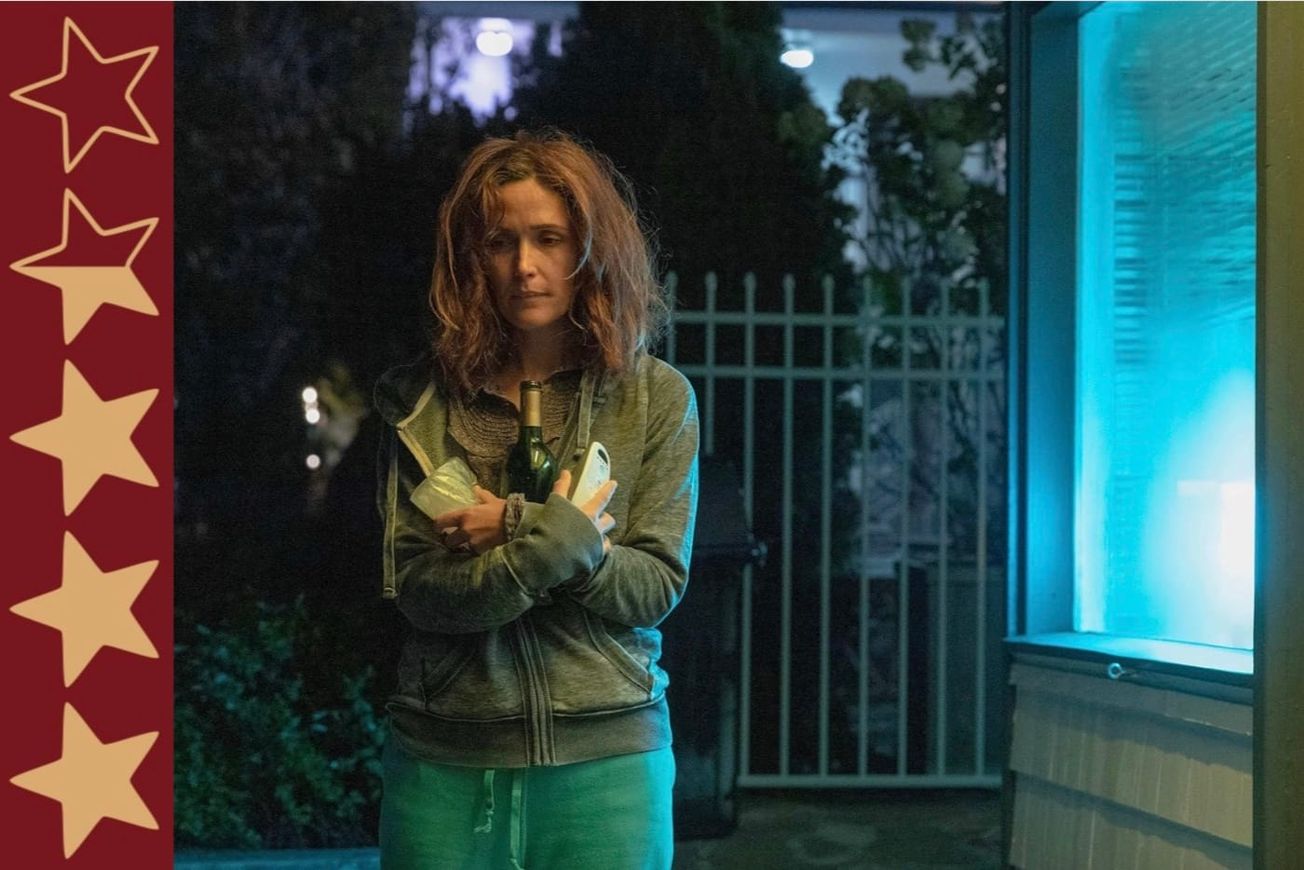
This anxiety-ridden effect is so hugely to the credit of Imogen Poots, who disappears seamlessly into the role of Yuknavitch. You nearly forget this is a performance and not just a home video of someone’s harrowing childhood. In fact, Poots and all of her costars (notably, Thora Birch and Jim Belushi) seem totally free, following their impulses spontaneously, which leads to a most believable show of intensely burdened but persisting characters.
This impressionistic, arthouse collage of a film is not going to be for everyone. And for the sake of creative diversity in Hollywood, I hope Kristen Stewart keeps making more. So often directorial debuts are timid and cautious, but her fingerprints are unapologetically all over this. A huge leap and a huge pay-off, because she’s reached the exceptional height of an auteur.
 Emily MacLean
On a broader level, I’m so glad that this passion project that was eight years in the making eventually came to fruition because it raises a really important conversation about the male-dominated canon. ‘There are so many examples within modern literature of men laying it all bare, but as soon as you do something overtly personal as a woman, it’s less serious,’ says Stewart.
On that note, though I hate that I have to say it, I really hope that the film’s woman-centric nature doesn’t put anyone off from seeing it. Even if you can't personally identify with it, there is so much value to be gleaned from listening to stories outside of your own context. And especially stories that put all of their cards on the table, like this one. Art is mostly about being honest, so I can’t recommend enough to go revel in this painfully honest gem while you can.
Featured Image: IMDb / The Chronology of Water | Illustration by Epigram / Sophia Izwan
What did you think of The Chronology of Water?