By Arnas Avizinis, Third Year, Philosophy and Politics
With the end of autumn approaching, it’s perhaps the perfect opportunity to look back at one of the most peculiar attributes of this season. Although it’s primarily an American thing, it’s also rubbing off on British culture as well. I am talking about nothing else but pumpkin spice, of course.
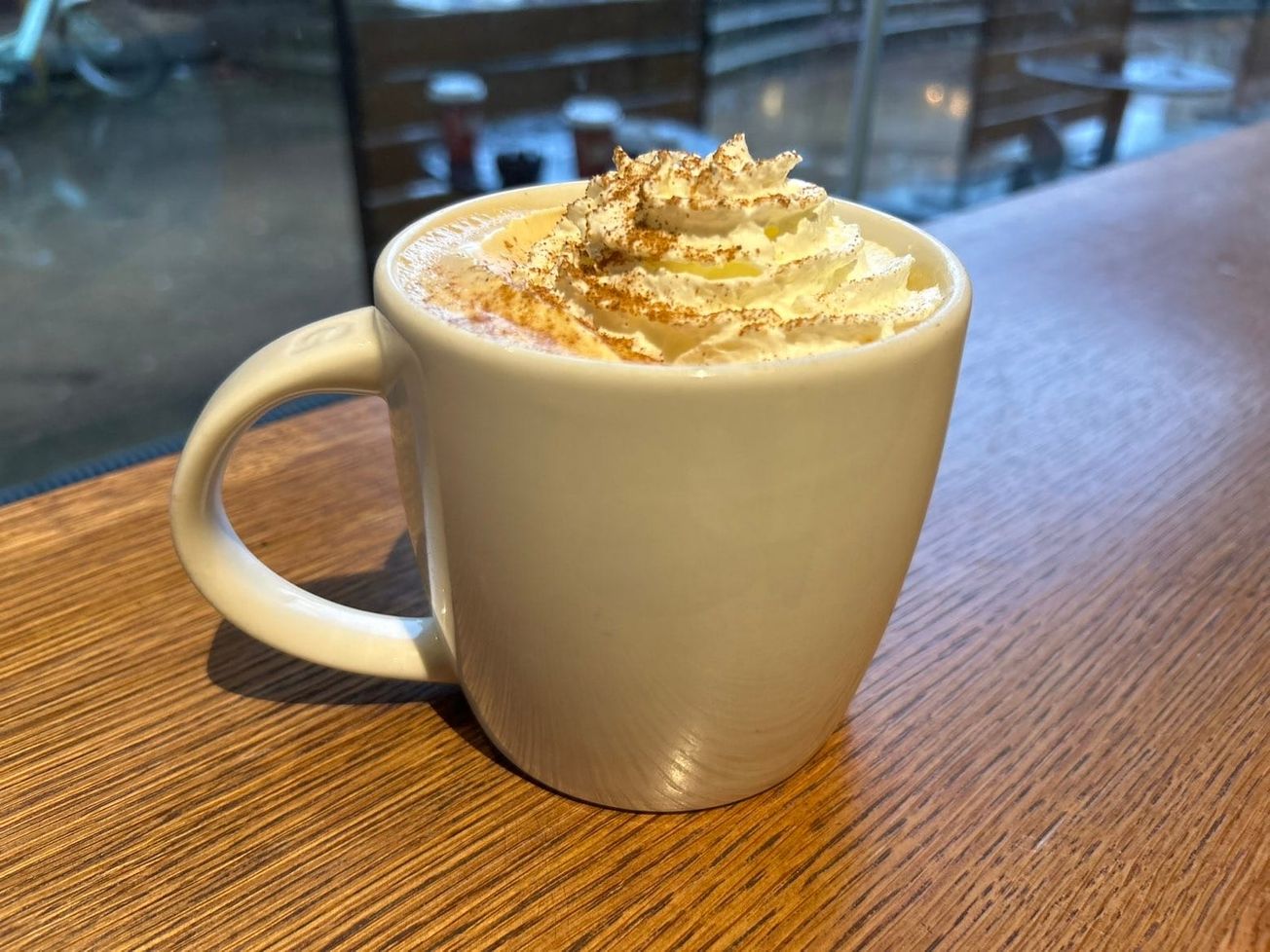
The first company to start selling the pumpkin spice latte was Starbucks back in 2003, and for the past 22 years, the smell has been haunting the streets during autumn. The temporary nature of the drink is one of its greatest appeals. After all, pumpkins are usually harvested around the end of September. Hence, the association of the smell with autumn is only natural. This popularity gave birth to various other pumpkin spice products, such as fragrances and sweets.
Sure, it’s a marketing strategy and a clever one. In the modern global era, getting pumpkins at any point of the year is not difficult whatsoever. Yet something is still somewhat unsettling. Perhaps those of you with a more refined palate can already tell what I am getting at.
Indeed, the pumpkin spice latte has no pumpkin in it at all. And it’s not just the latte, pumpkin spice as a concept is pumpkin-less, made only from cinnamon, clove, and nutmeg. This is not a secret, yet not a widely known fact. After all, the only reason it has the name “pumpkin” in it is because those are the spices used in pumpkin pie. And now, for so many, it’s the only association they have with pumpkins, not to mention that it has become a smell that defines autumn.
 Grace Golby
Marketing has always been a peculiar beast, but is it not unbelievable that it has managed to take control of the smells and tastes we associate with fall?
Did you know pumpkin spice is pumpkin-less?



%20spiced%20lattes%3F!)