Simren Jhalli, Second Year, Comparative Literatures and Cultures,
Predators: Badlands, classified as a sci-fi horror, hit movie theatres on November 7th. Directed by Dan Trachtenberg, the film follows Predator Dek as he navigates an unfamiliar territory after being cast aside by his clan. From realistic in-depth costumes to its fantastical sets, the film presents deep emotional breakthroughs and a dramatic build-up amplified by its powerful incidental music.
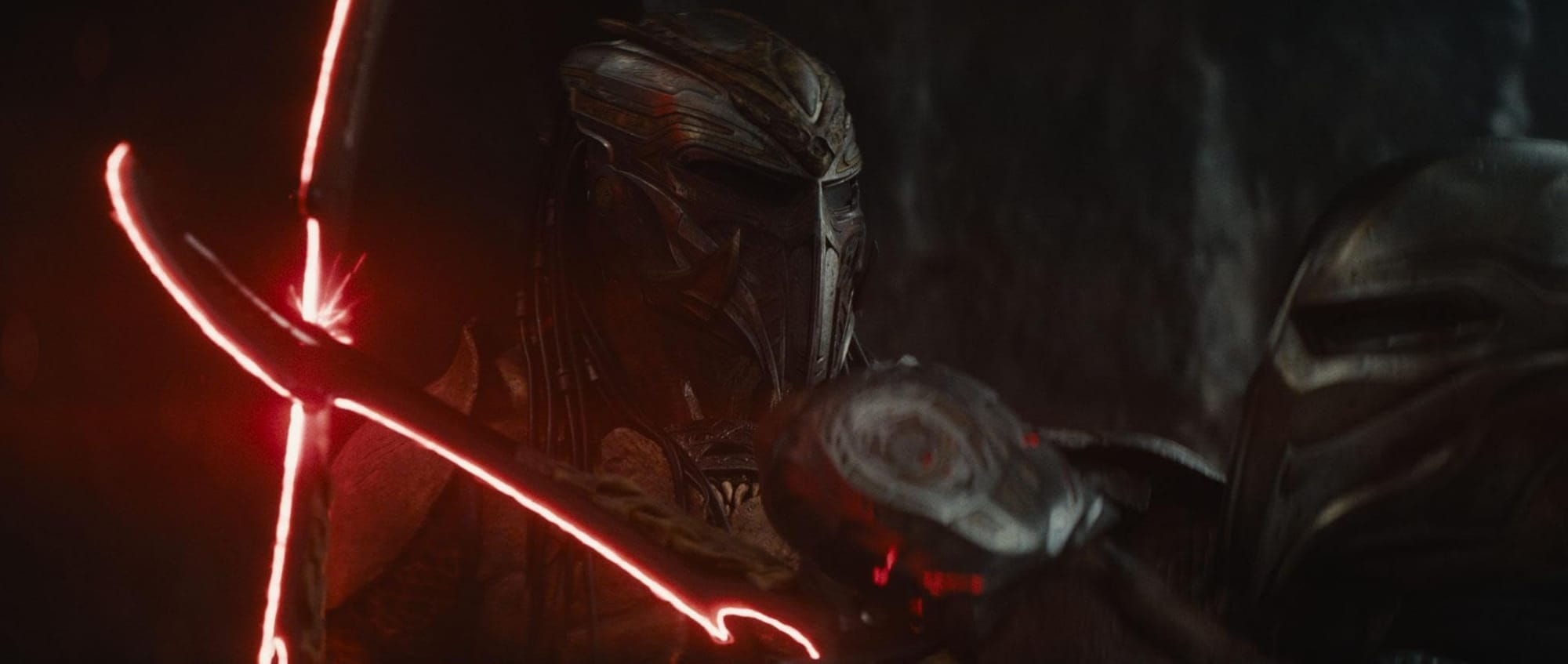
A strikingly fantastical element of the costume design is the seamless blend between the Yautja’s skin and its armour, it’s often impossible to tell where one ends and the other begins. When bright neon-green blood splatters across the frame, accompanied by the threatening guttural roars, it evokes the ferocity and familiarity of the Predator we have witnessed in the series’ previous films.
Dan Trachtenberg is responsible for the creation of the last three Predator films within the franchise, being described as ‘the most exciting era of the Predator franchise in decades’. The creation of the Yautja character began with the 1987 feature film Predator, brought to life by Jim and John Thomas and directed by John McTiernan. What started with their original script has since expanded into a sprawling multimedia franchise, including sequels, novels, and video games.
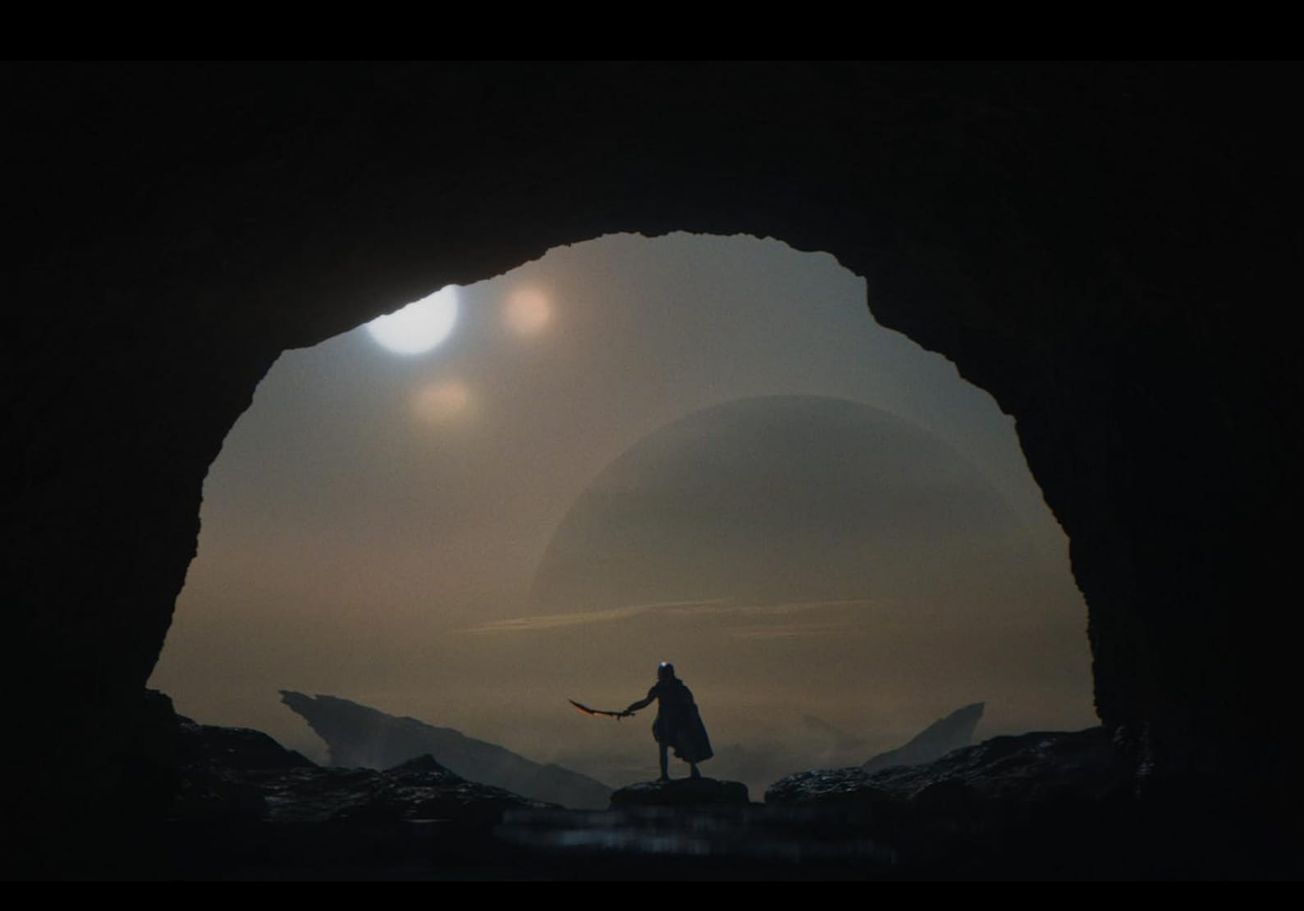
As the ninth instalment in the series, Predator: Badlands comes with certain expectations. Yet, it opens with an unexpectedly poetic twist; a sweeping panorama of the dunes: ominous, still, and waiting for disruption. A gentle foreshadowing unfolds as we witness the natural order of predator and prey. The focus then shifts to intimate close-ups between Dek and his brother Kwei. Futuristic weapons glint red in the darkness as we are introduced to Dek’s struggles within his clan. Labelled as a ‘runt’, he strives to prove himself, particularly in the eyes of his father.
Although classified as a sci-fi horror Badlands leans more towards feelings of introspection rather than terror. While we might expect gore, violence and ear-piercing shrieks to reverberate throughout the theatre - the Predator series rarely achieves such visceral horror. The closest it comes is the spill of neon-green ‘goop,’ a stylised and almost censored version of the gore we anticipate. Given the alien physiology, the choice is understandable, but to call the film ‘horror’ feels misleading. So for all the fans seeking an adrenaline rush, this may not be the Predator film for you.
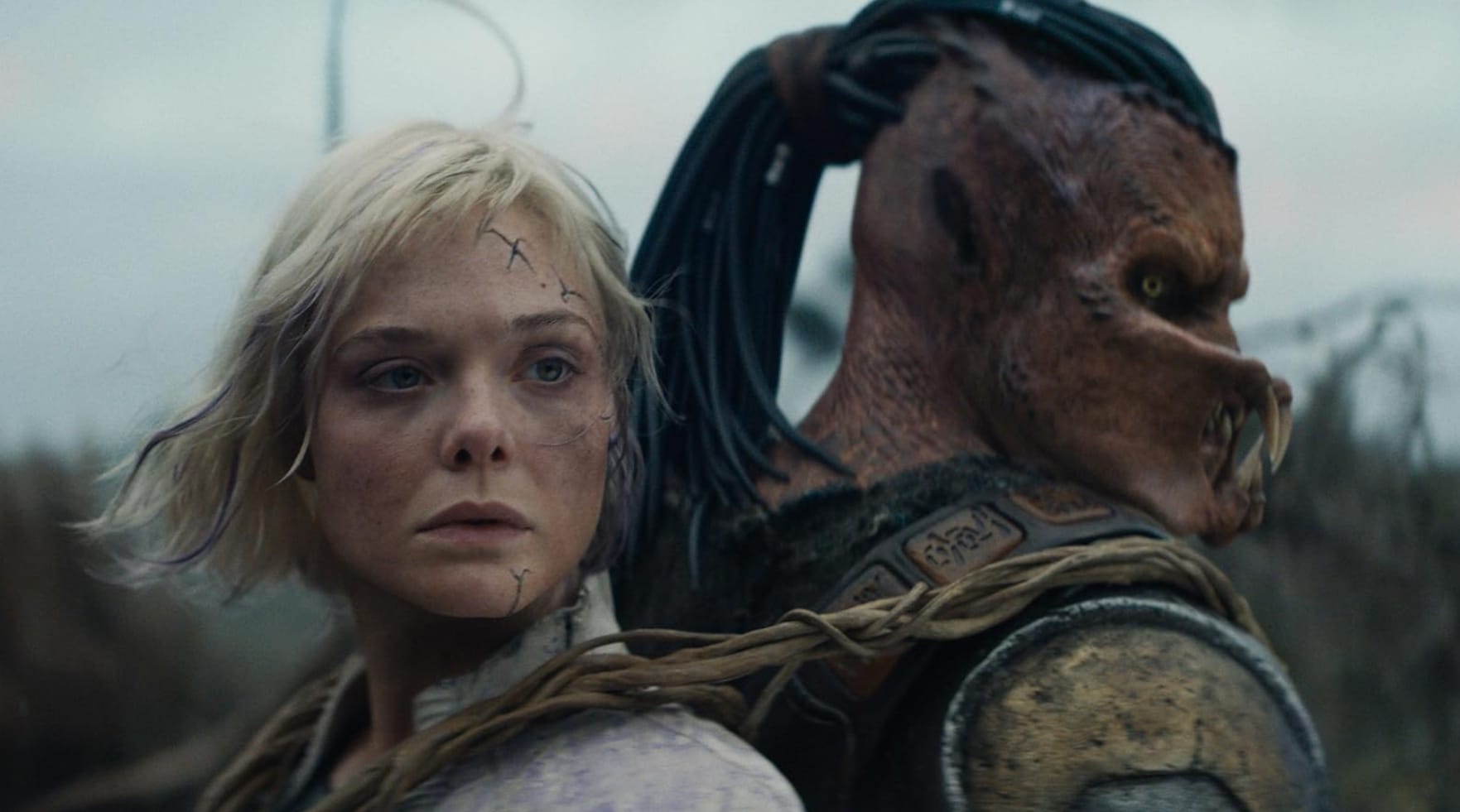
Furthermore, Predator: Badlands proves to be an unexpectedly emotional journey; more thought-provoking than spine-chilling. I found that the film seemed to be a perfect example of how we are unable to detach ourselves from basic human instincts. Dek repeatedly insists, ‘Yatjua hunt alone’, yet he cannot help forming bonds, notably with Thia, a research synth created by the Weyland-Yutani Corporation. Despite being an alien, Dek displays a surprising emotional range: tending to his wounds, seeking to avenge his brother and struggling with grief and the pain of betrayal.
In parallel, the environment mirrors his turmoil; nature itself comes alive, with plants and animals evolving to defend themselves against intruders, echoing the films themes of survival and adaptation. Even the supposed antagonist, the Kalisk, is revealed to be less a monster and more a misunderstood creature simply trying to protect its young.
Though it may disappoint those seeking pure horror, Predator: Badlands succeeds as a bold, introspective chapter in the series, one that dares to show the strength than can come from empathy.
Featured Image: IMDb
Are you a fan of the Predator franchise?