
By Felix Glanville, Second Year, History
''History doesn't repeat itself, but it often rhymes''- Mark Twain
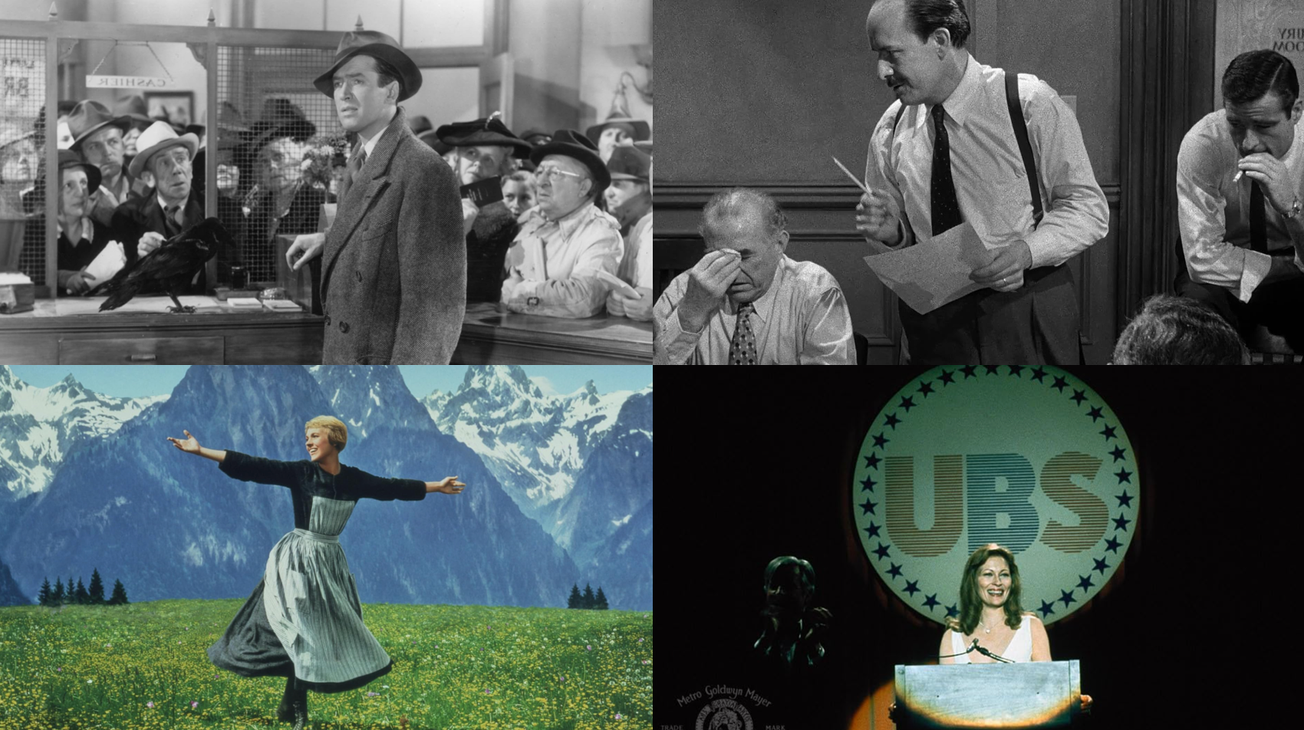
The words of Twain could not be more accurate in the world of film. There are always powerful parallels from old cinema with the present. Whether that be the 1970s' fears and anxieties of a mass media revolution coming into fruition or the 1940s' importance of family, hope, and community.
I must say, choosing just four films for each decade was a slightly mammoth task- with so many vintage flicks having political undertones and relevant social commentary. These films not only bear relevance to Twain's words but some are just a good watch to switch our brains off.
1- It's a Wonderful Life (1946) - Strength of Family and Memory
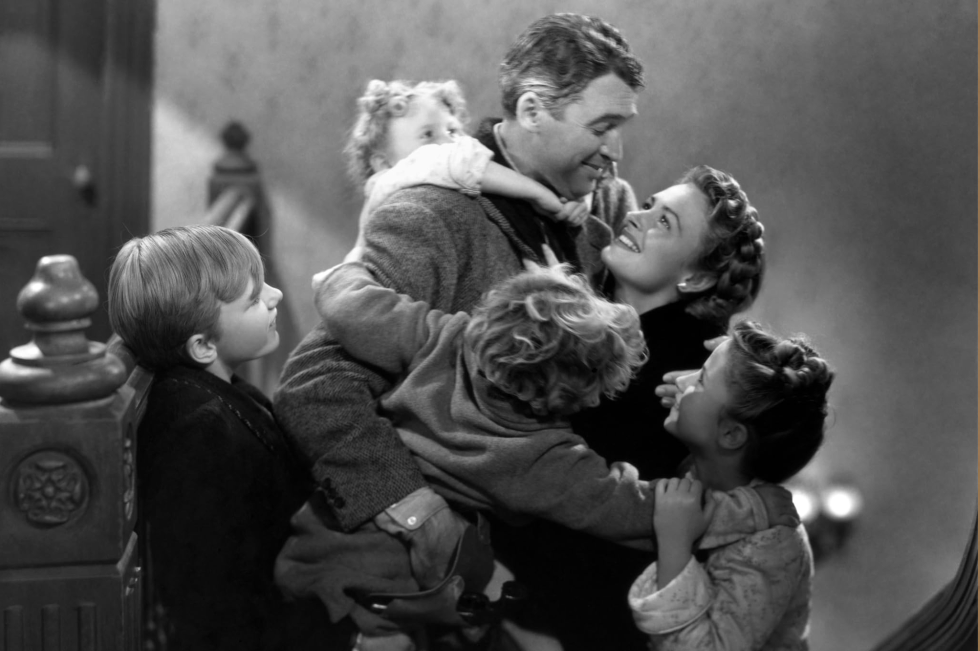
Look, I know a traditional Christmas film on this list might be slightly jarring, especially as we are deep into the light spring of April, but It's a Wonderful Life is an absolute timeless classic that should be watched any time of the year. Frank Capra's movie follows the life of George Bailey (James Stewart), an aggrieved businessman who is shown by a budding angel what life would be like if he had never been born. This film serves to display the powerful impact of holding an optimistic life outlook, while stressing the importance of good character, especially as it was a product of the overriding hopelessness that followed the Second World War.
Despite the film being over 75 years old, the sentiment and heart it carries is something that bears such relevance today, with Capra telling audiences that a smile can go a long way. George Bailey realises by the film's conclusion, that his love for his family and neighbours outweighs any of the professional dreams he had set for himself. Maybe we should all try and adopt that little nugget of Bailey optimism from now and again, in a time of increasing ideological conflict.
2- 12 Angry Men (1957) - Issues of the Justice System
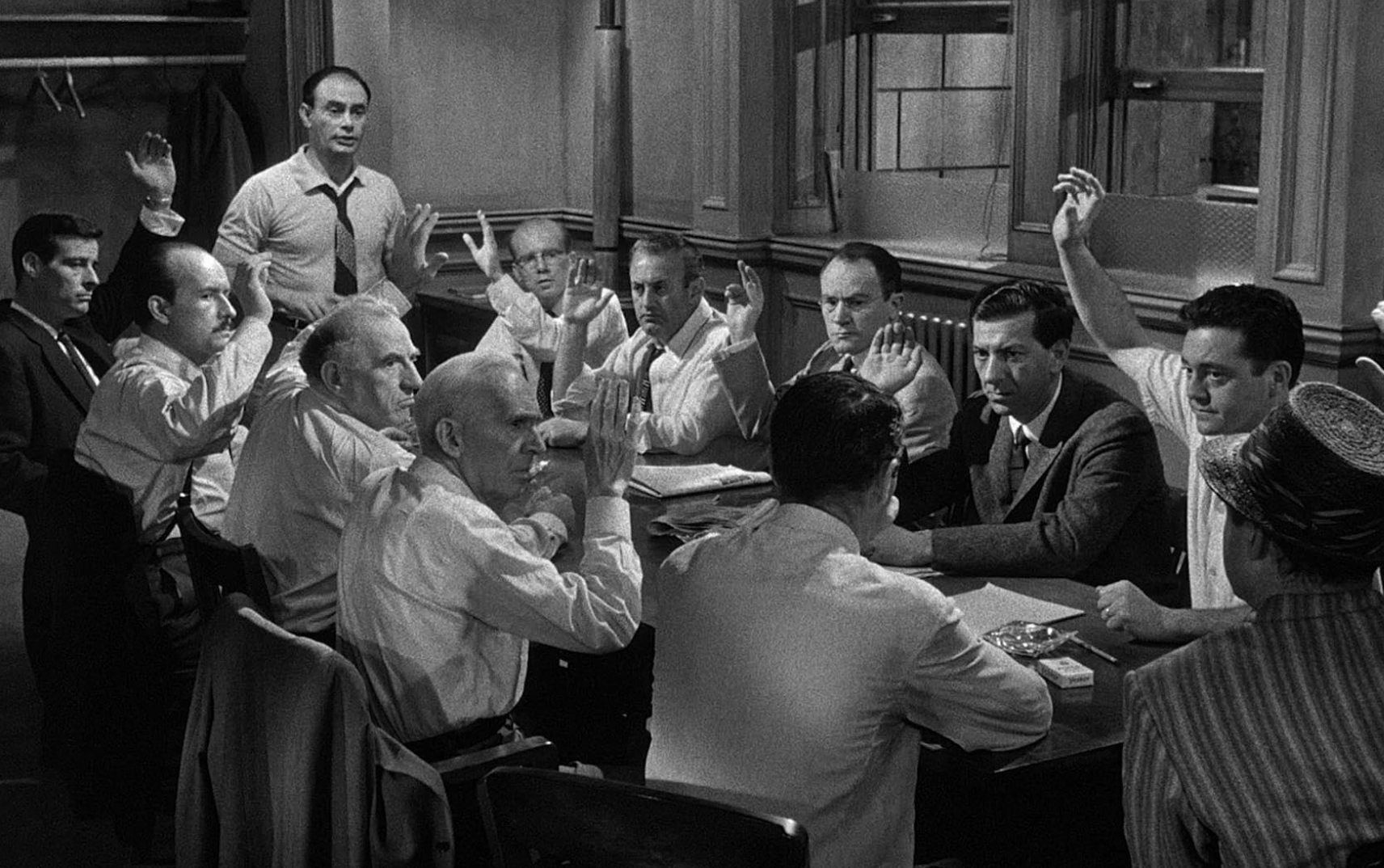
To a much more serious film, 12 Angry Men follows twelve men deciding whether an 18-year-old Hispanic boy is guilty of murdering his father, with Juror 8, our protagonist (Henry Fonda) believes he is not guilty and demands a re-examination, for what he believes to be a rigged trial. This highly political film reminds us of how the justice system can be corrupt and malicious, particularly when observing the film against the relatively recent overturning of Roe V. Wade by the Supreme Court in America.
There are also ethnic stereotypes littered in the film, where by the end it seems society has let this boy down. Sidney Lumet's film reminds us of how holding open debate and communal decision making can have such significant consequences to the personal lives of the oppressed.
3- The Sound of Music (1965) - Musical Warmth with Dangerous Nationalism
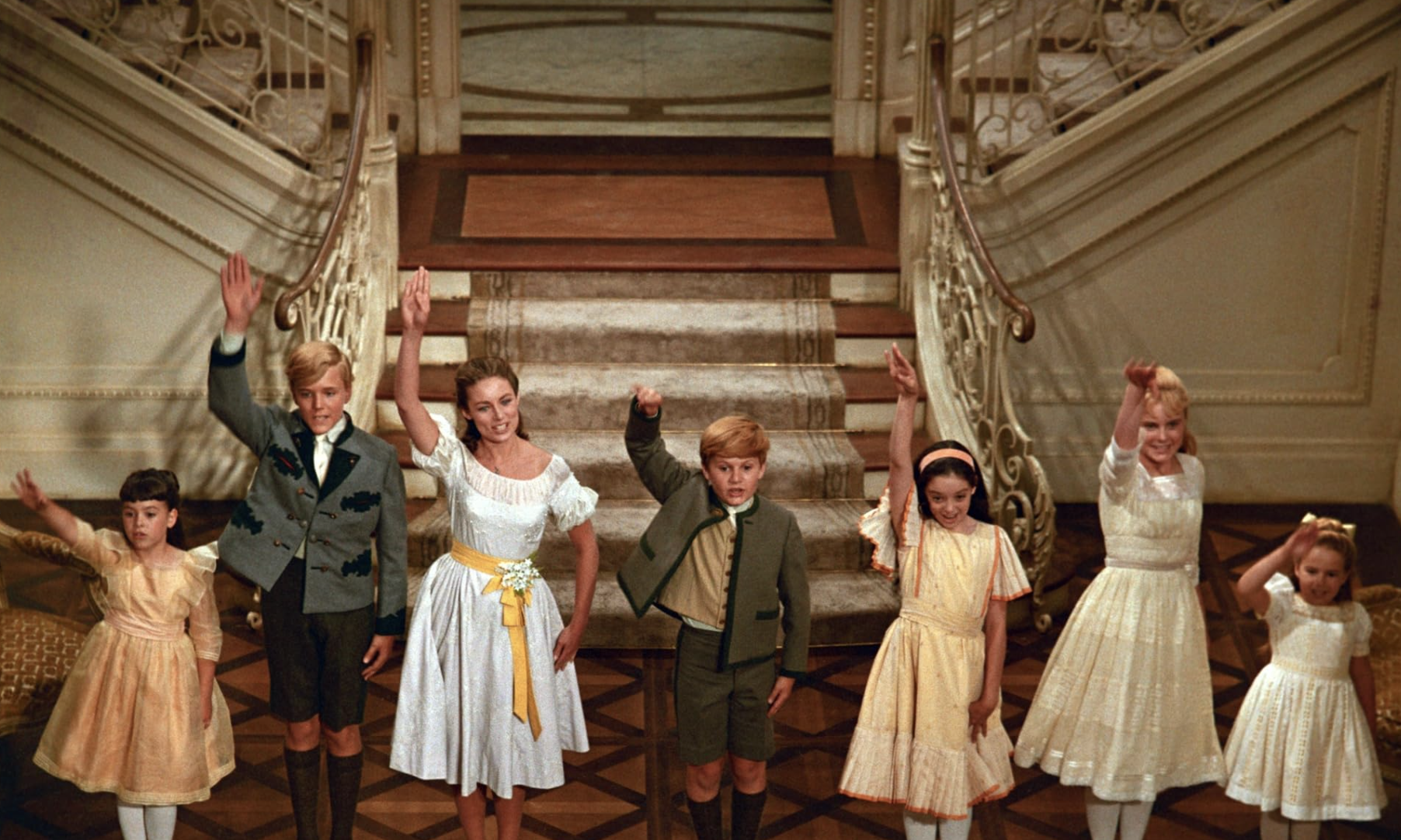
Now we have quite a different thematic transition, to The Sound of Music. Despite the film's innocence and musical warmth, there are some darker social messages that we must be reminded of. I always associate this '60s classic with nostalgia and family film nights, yet the story of the Von Trapp's escape to freedom is an uncomfortably foreboding one. This film displays the passion of music, think 'Do-Re-Mi', for which my younger self found instantly enthralling.
Yet, to another degree the film is an apt reminder of the evils of anti-semitism and white nationalism, as many seem to forget the central plot that follows the Nazis and rise of the Third Reich. With growing nationalist sentiment across Europe today, Julie Andrew's hope and courage in the Sound of Music is a much needed soundtrack for so many at the start of 2025.
4- Network (1976) - Dangers of Mass Media and Manipulation
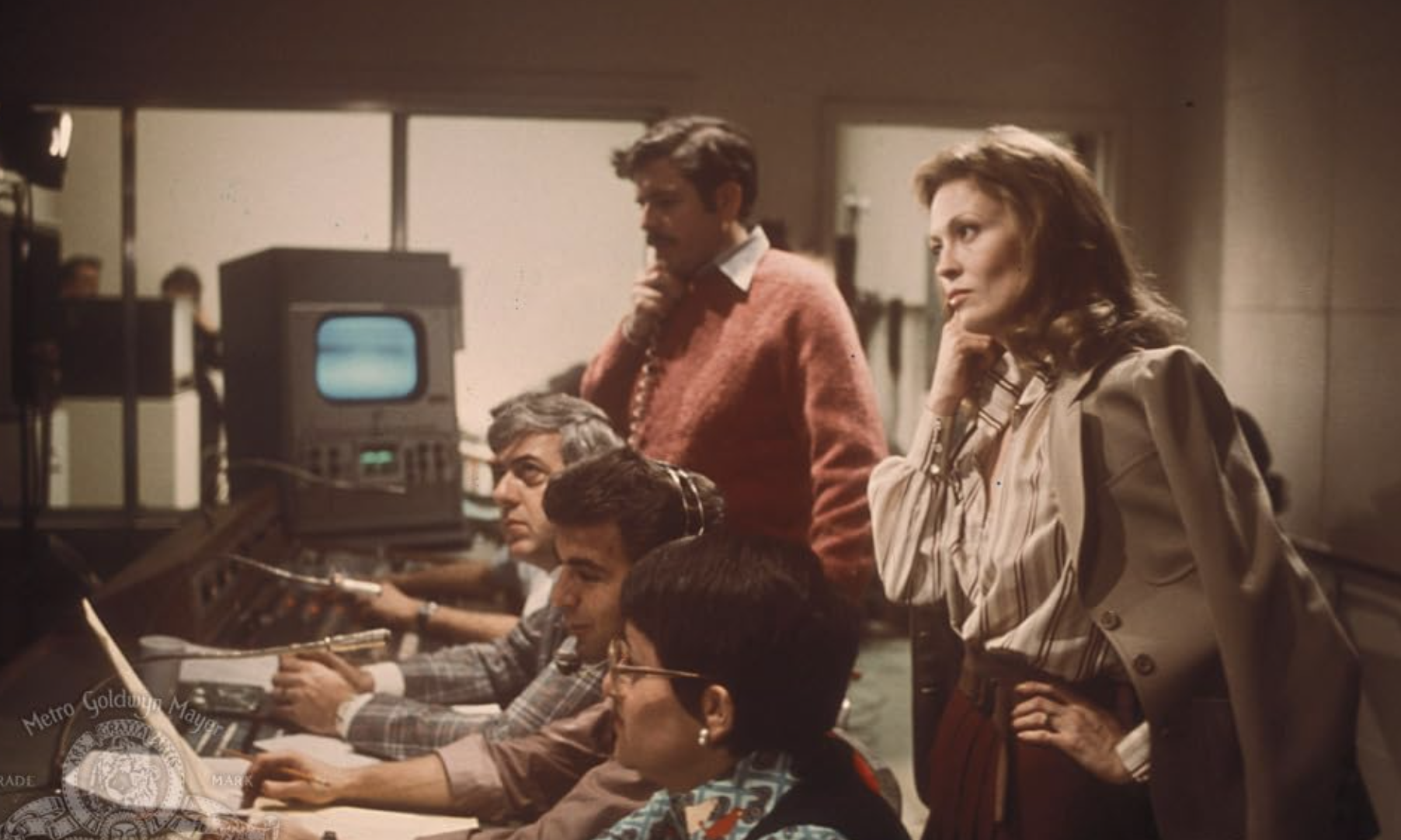
Finally, we have reached the 1970s and a discovery of how media is causing us to lose our sense of self. Network shows us how immoral network executives can be just to get higher ratings and viewership. This film has been critically praised as a satire of the entertainment and media industry, rather ironically picking up four Academy Awards.
I see this film as a great depiction of how news can be turned into entertainment, for an audience that are being dumbed down and manipulated. Network finds so much relevance today, with news stations like Fox News and GB News who focus on hyperbolising emotions, rather than delivering hard news. Further, the whole concept of herd mentality which the film grapples with finds resonance with the recent Twitter/X activity of Elon Musk and Donald Trump. Their inherent populist desire to stir emotions, rather than act as factual news bearers has destructive political consequences.
Are there any other films from 1940 to 1979 that you think is the most relevant in today's climate?