By Keira Guy, News Subeditor
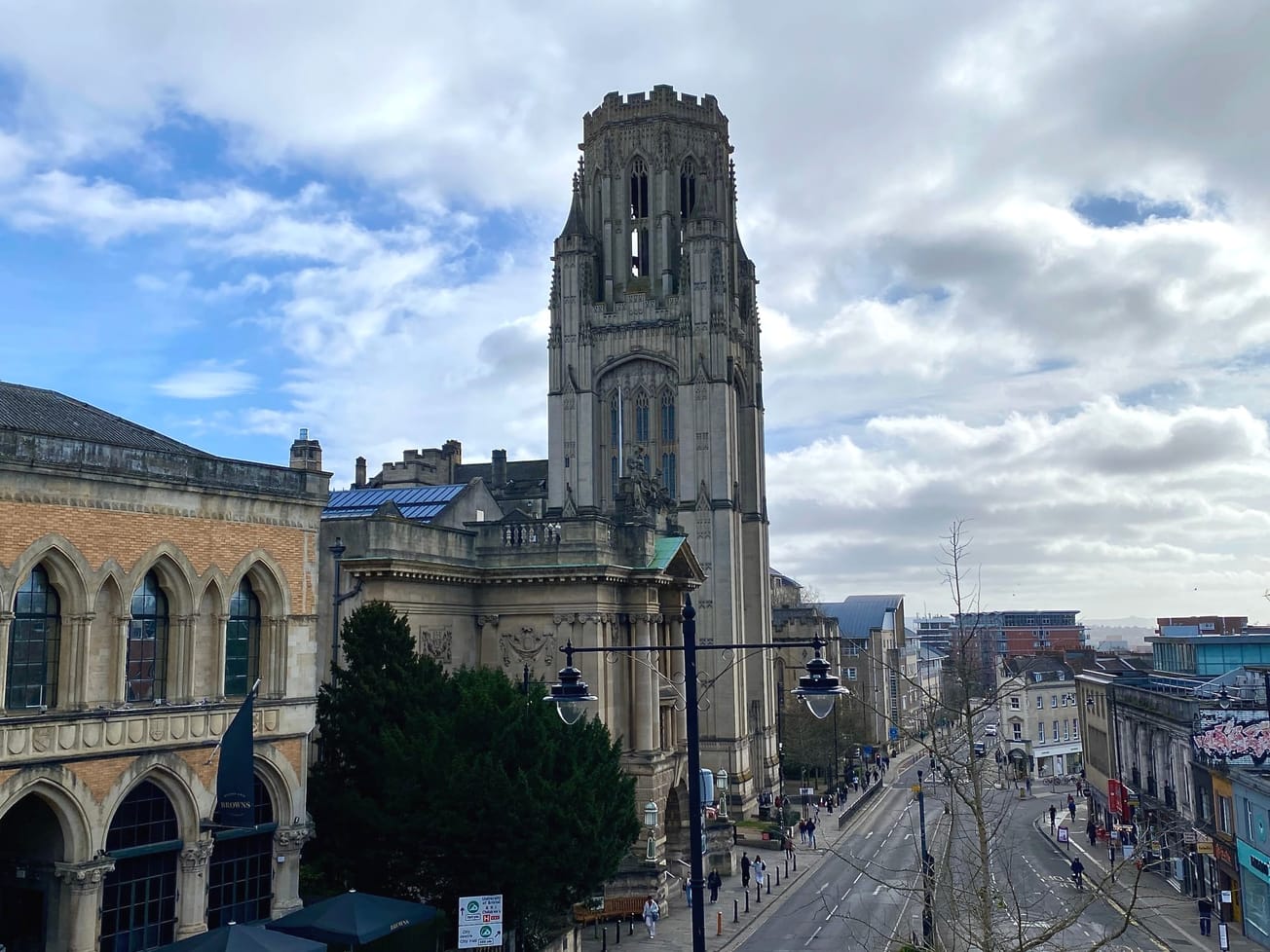
The History Society has set up a petition calling for the university to install an information board by the entrance of Wills Memorial Building to make the public aware of the colonial origins of the building.
Seren Jones, who started the petition, said to Epigram that she had the idea to propose putting up an information board following a seminar where they discussed the debate around the name of Wills Memorial Building.
She proposed that the board would contain a full account of the building's history in a location that is easily accessible to the general public.
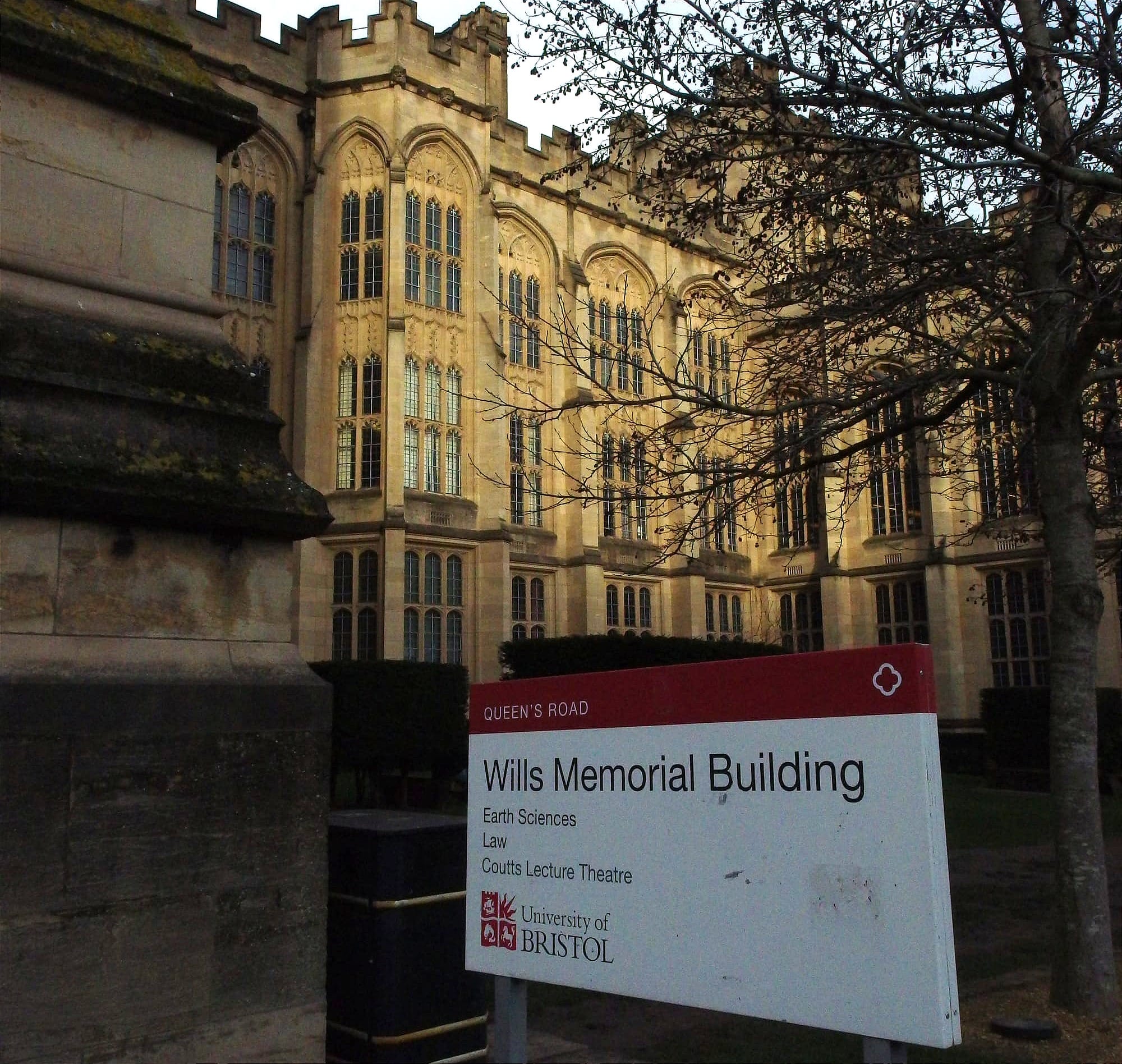
Seren said, ‘I noticed the conversation has always been centered around whether or not to change the name. I thought rather than renaming the building, we could reframe the debate.’
‘This way instead of removing the past, it's sharing the entire history of the building with the public.’
The University has said to Epigram, that a virtual trail on the history of seven university buildings is in the works for later this year as a part of the Reparative Futures Project.
The University of Bristol ‘Our History and the Legacies of Slavery’ Report found that the Wills family had benefitted from the slave trade.
Whilst the family had no record of owning or trading slaves, ‘they did owe a substantial proportion of their wealth to trading in tobacco grown by enslaved people.’
The University of Bristol received a large amount of money, as well as other resources, from the Wills family. Between 1909 and 1957, they donated over £1.37 million to the institution.
Dr Richard Stone wrote in the report, ‘The Wills might well be described as the founding family of the University of Bristol, such was the volume of cash and other resources that they poured into the institution over its first fifty years.’
Seren suggested that the University may have concerns about changing the name of the building, as they would not want to appear to be ‘erasing history’. So instead, the information about the Wills family, which is available in the ‘Legacies of Slavery’ report, should be ‘more clear, visible, and accessible to the public.’
Seren told Epigram that her idea for the information board came from the actions of the Heritage Group in Abbotts Leigh. As several wealthy individuals linked to Abbotts Leigh were involved in the slave trade, including Robert Bright, William Weare, William Miles and Philip John Miles.
Philip John Miles was Bristol’s first millionaire and owned over 3000 slaves in total, and with the profit made from his business, he built Leigh Court.
The Heritage Group provided a notice next to his epitaph in the Holy Trinity Church to acknowledge and explain his involvement in the slave trade. Something which Seren hopes to replicate for Wills Memorial Building.
 Anis Fazidin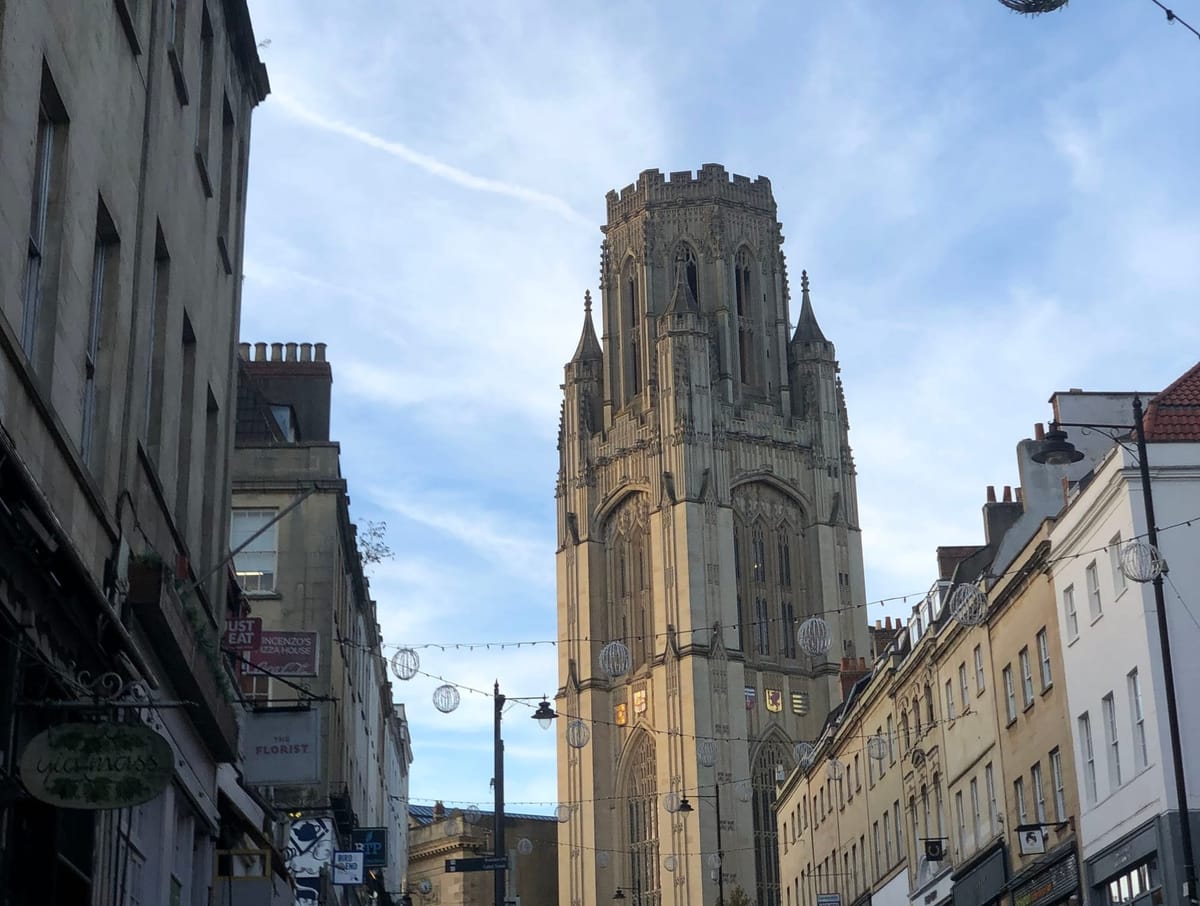
The university previously changed its crest to remove the dolphin symbol associated with slave trader Edward Colston as a part of its Reparative Futures programme, but kept the symbols representing Wills and Fry families.
Seren said, ‘I believe decolonisation is an ongoing process and this is the next step for the university.’
‘I hope by the time I’m graduating, we aren’t taking photos with a name, but a full story.’
 Lenny Osler
 Keira Guy
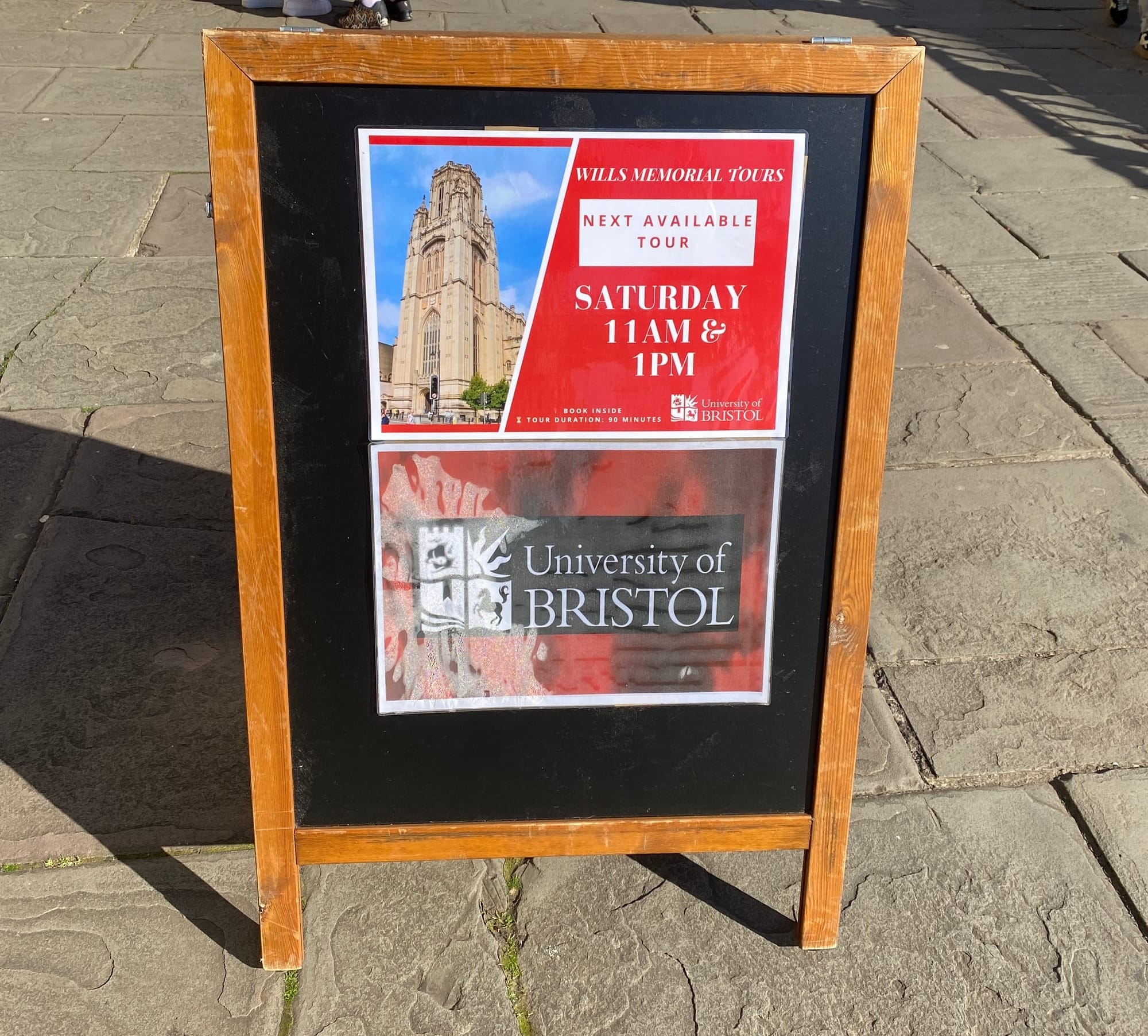
Epigram visited Wills Memorial Building to see what information is currently available, and found that there was nothing immediately obvious to a visitor about the family's links to colonialism.
There is one information banner inside of the building which comments on the Wills family business and links to the Transatlantic slave trade. But it is positioned beyond the area that is accessible to the general public and does not refer to the ongoing Reparative Futures Project.
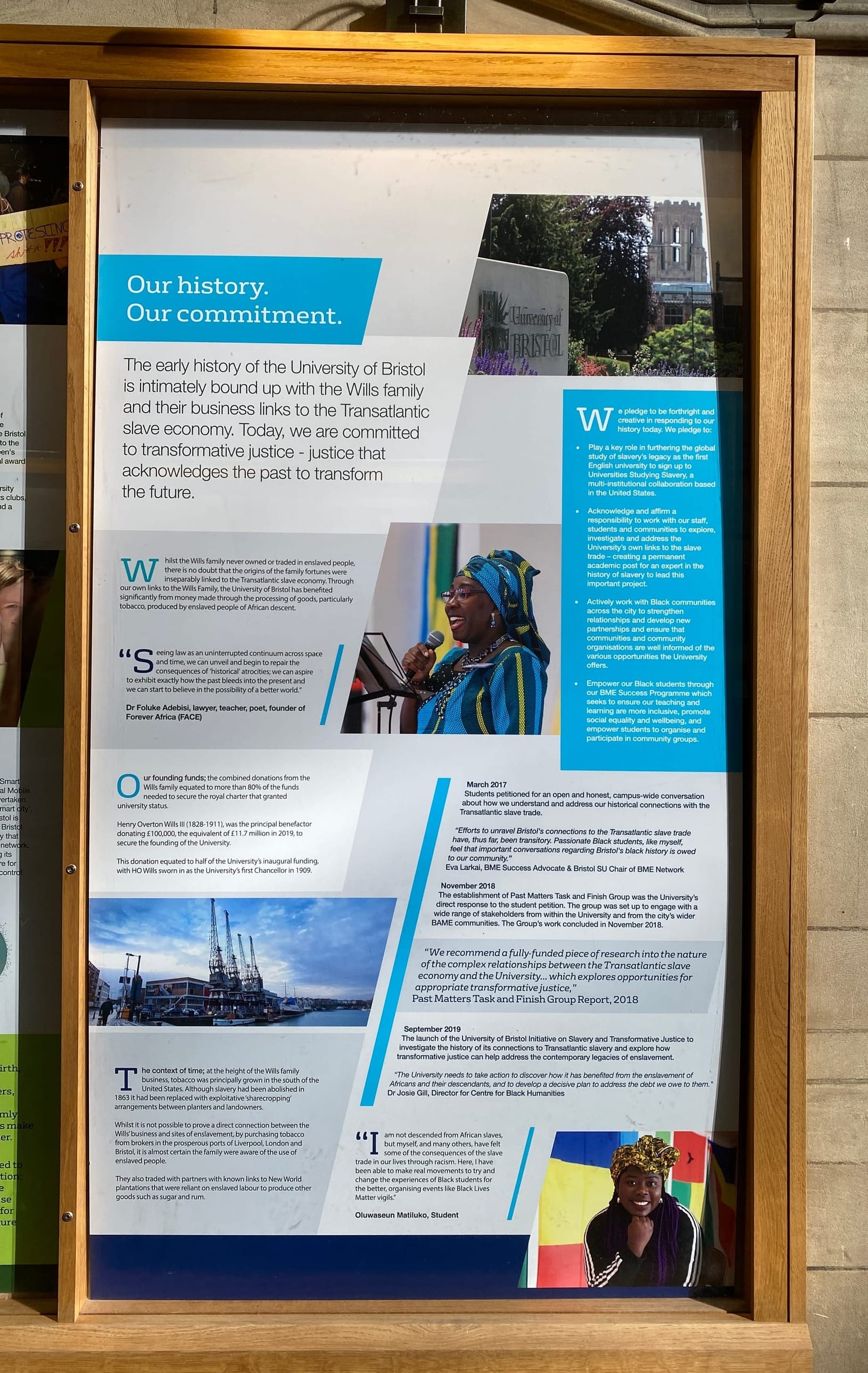
Speaking to Epigram, Dr Marie-Annick Gournet, who leads the Reparative Futures Project, said ‘One of the key commitments of the Reparative Futures Programme is the contextualisation of contested buildings. We began with a temporary banner and QR code at the Wills Memorial Building, precisely because repair cannot happen without truth-telling; we need to make the full history visible.’
‘This signage is an interim measure. We are currently developing a virtual trail, including narration, covering all seven buildings referenced in the original Report. This work reflects a commitment not only to our students and staff, but also to the wider Bristol community - particularly Black communities in the city, whose lived experience of the legacy of enslavement has been central to this work. Importantly, the message we heard clearly was not a call for renaming, but for meaningful contextualisation.’
‘We anticipate that the virtual trail, accessible via QR codes, will go live later this year and look forward to sharing more details about this is due course. I welcome the Society’s raising of this issue and would be very happy to share our progress with them and others who may be interested.’
The petition is available in the bio of the History Society Instagram page.
Featured image: Epigram / Keira Guy