By Georgiana Watt, Third Year, Film and Television
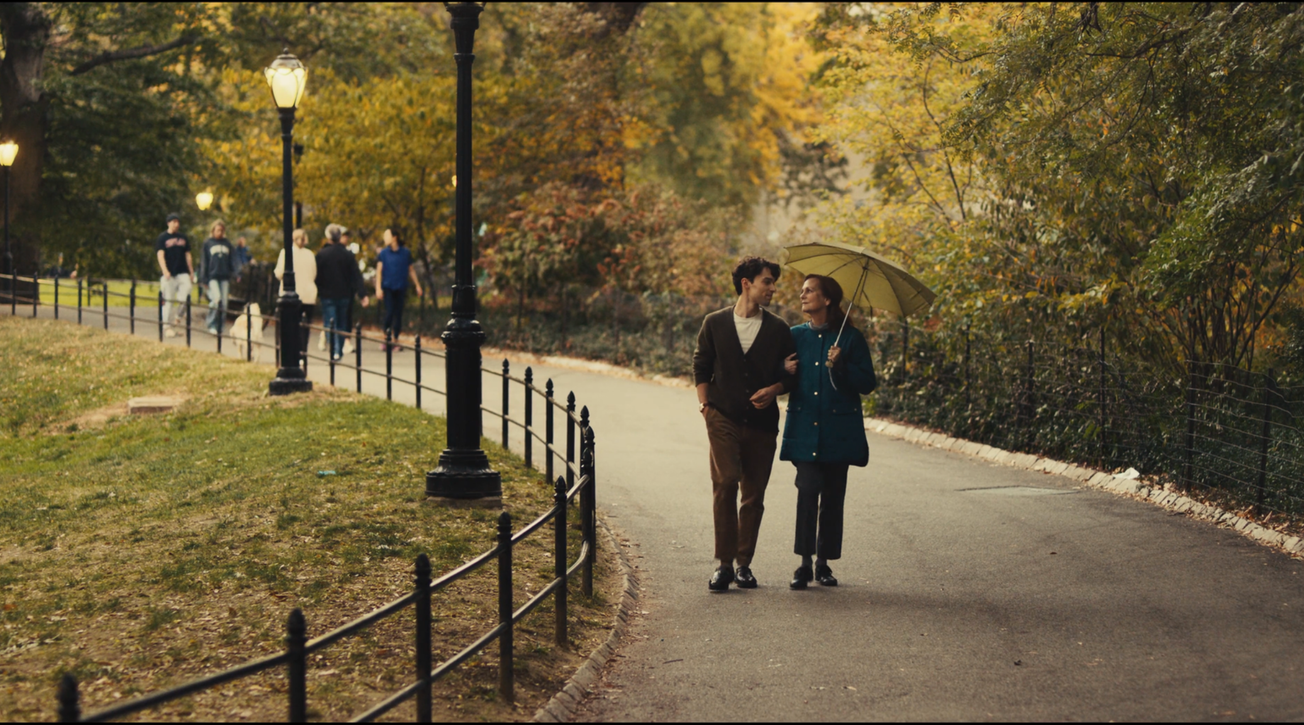
Olive (2025), a thirteen-minute drama short, centres on the relationship between two characters, Mamie (Lesley Ann Warren) and Sam (Tom Koch), and the toll that Alzheimer’s disease has on them.
Following a rather successful film festival tour, winning Silver Screen at the Young Directors Award in Cannes and Best Short Film at Sidewalk 2025, Olive is now an Oscar-qualifying film. Will it make its way to the Academy Awards?
Surprisingly, Olive manages to avoid being depressing despite its heavy topic. In fact, rather than being about Alzheimer’s, it might be better to say Olive is structured by Alzheimer’s, as writer-director-actor Tom Koch has incorporated Alzheimer’s unfortunate symptoms of memory loss and disorientation into the narrative, with time jumps and twists galore. It’s the kind of film that begs you to rewatch immediately after finishing it.
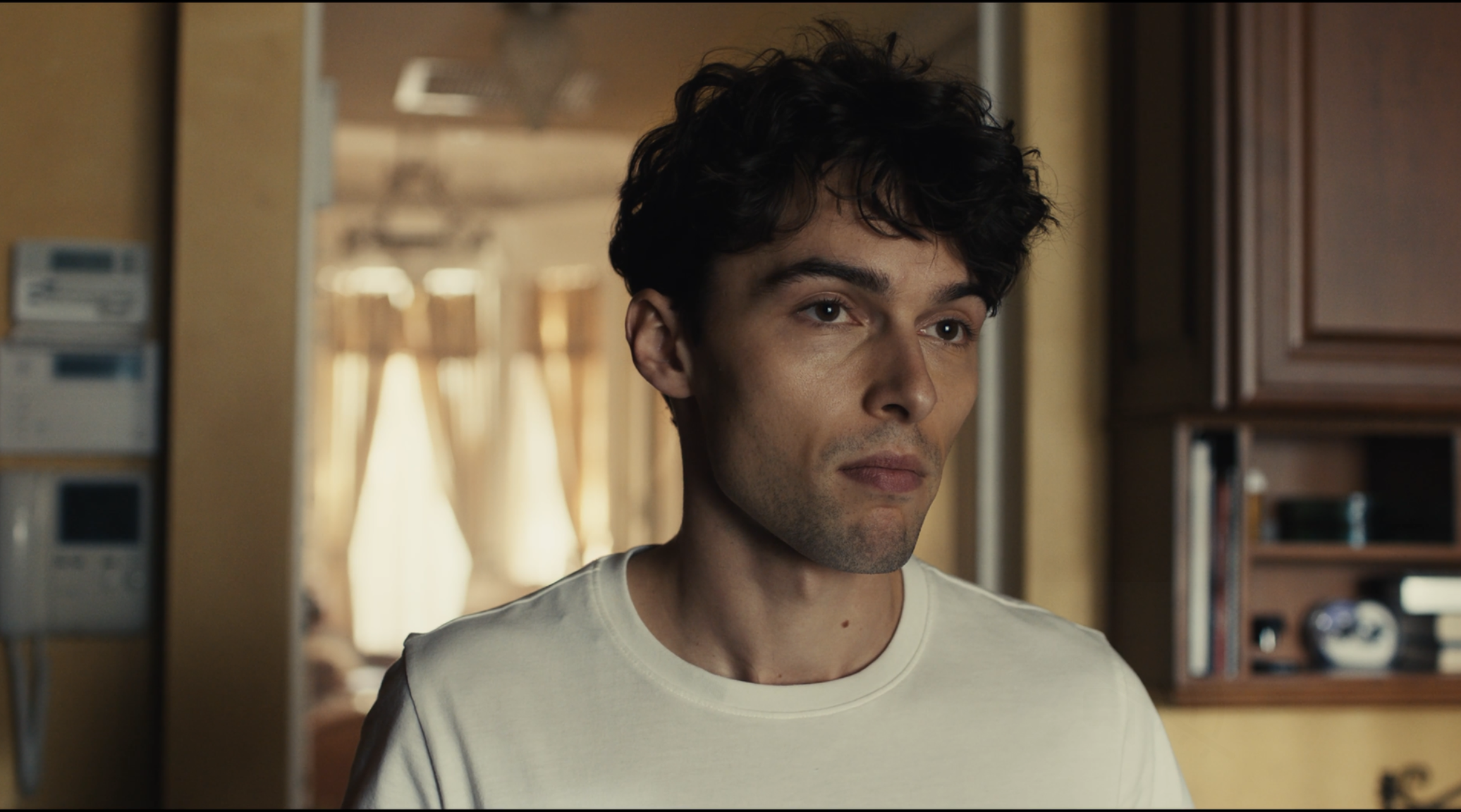
It's also a very vibrant film, which again helps to lighten and brighten it. The title, Olive, actually refers to the colour, not the jarred kind, inspired by the green colour of Koch’s grandmother’s eyes, who unfortunately also suffered from Alzheimer’s. Obviously, that meant that Olive had to have only the best colourist.
When I interviewed Koch over Zoom, he revealed that for six months he persistently contacted senior colourist Élodie Ichter, who colour graded films such as Nomadland (2020) and Okja (2017), until she finally agreed to colour grade Olive. His patience certainly paid off in my eyes.
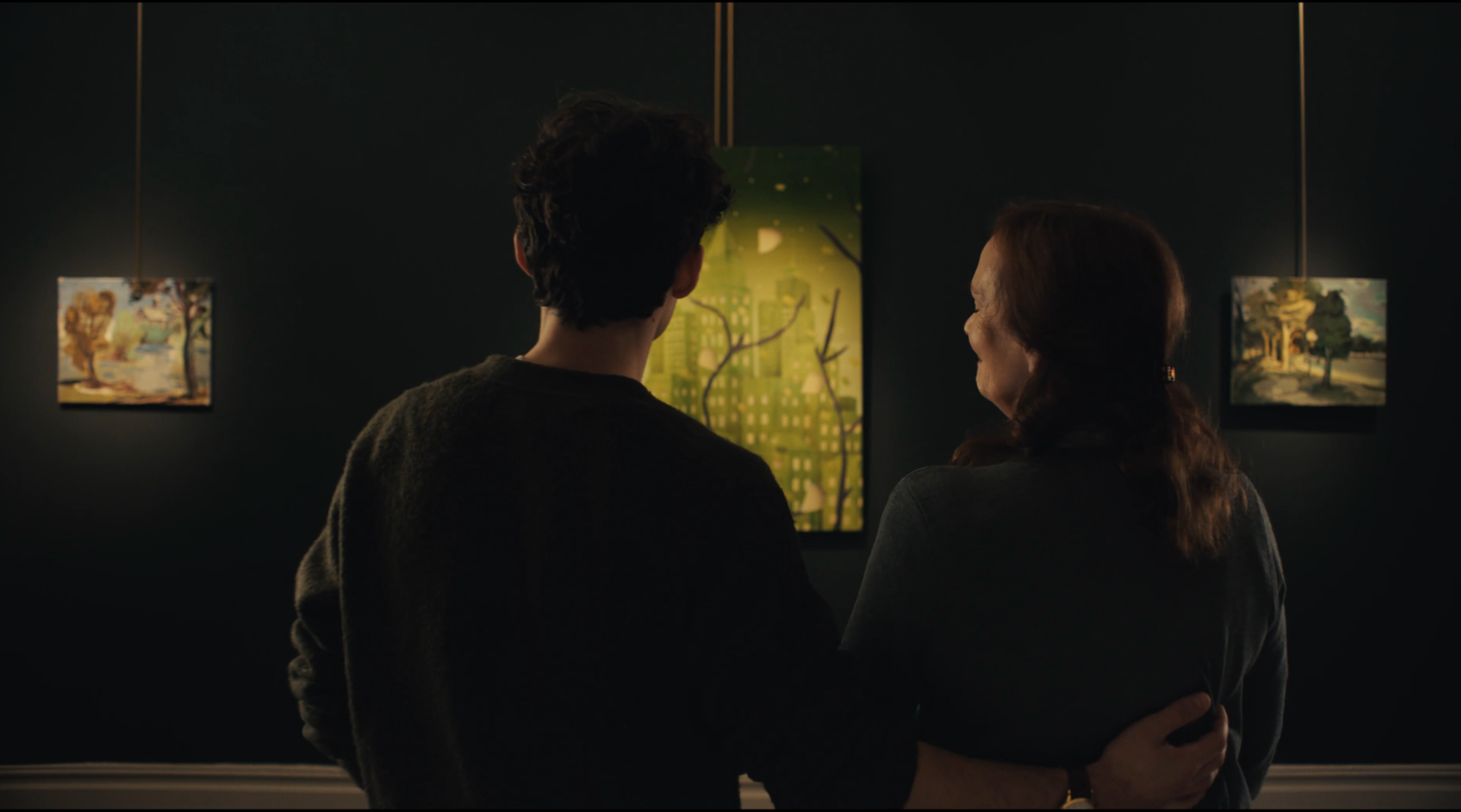
The film’s locations are also exceptionally stunning, from Marie’s grand but lived-in New York City brownstone house, to a dark art gallery with a bright-green painting, as well as the costumes created by Broadway veteran Chris Hyns. Who knew an electric-blue quilted jacket would look so good.
Another charming aspect of Olive is its bilingual nature. Whilst set in New York City, the film has a distinctive French influence, with a (literal) Edith Piaf needle drop and French dialogue. It’s a very unique and engaging combination of cultures and languages, with a slight nostalgic touch, especially for Koch, having grown up between the south of France and London.
Lesley Ann Warren’s performance is also especially notable for its range and complexity, complimented by Koch’s more subdued performance. As Koch had to juggle several 'hats' on set, between lead actor and director, he states that Warren facilitated this swapping of hats as a result of her over sixty years of acting experience. ‘I was just looking at her, and I was like “Oh, I just have to listen,"' allowing him to stay in character over several takes.
Koch also cites the success of the film to the trust and confidence he had with all members of the production team, especially producers Anthony James Faure and Astrid Lark, the Director of Photography, Gillermo Cameo, and Hillary Carrigan, the film’s editor.
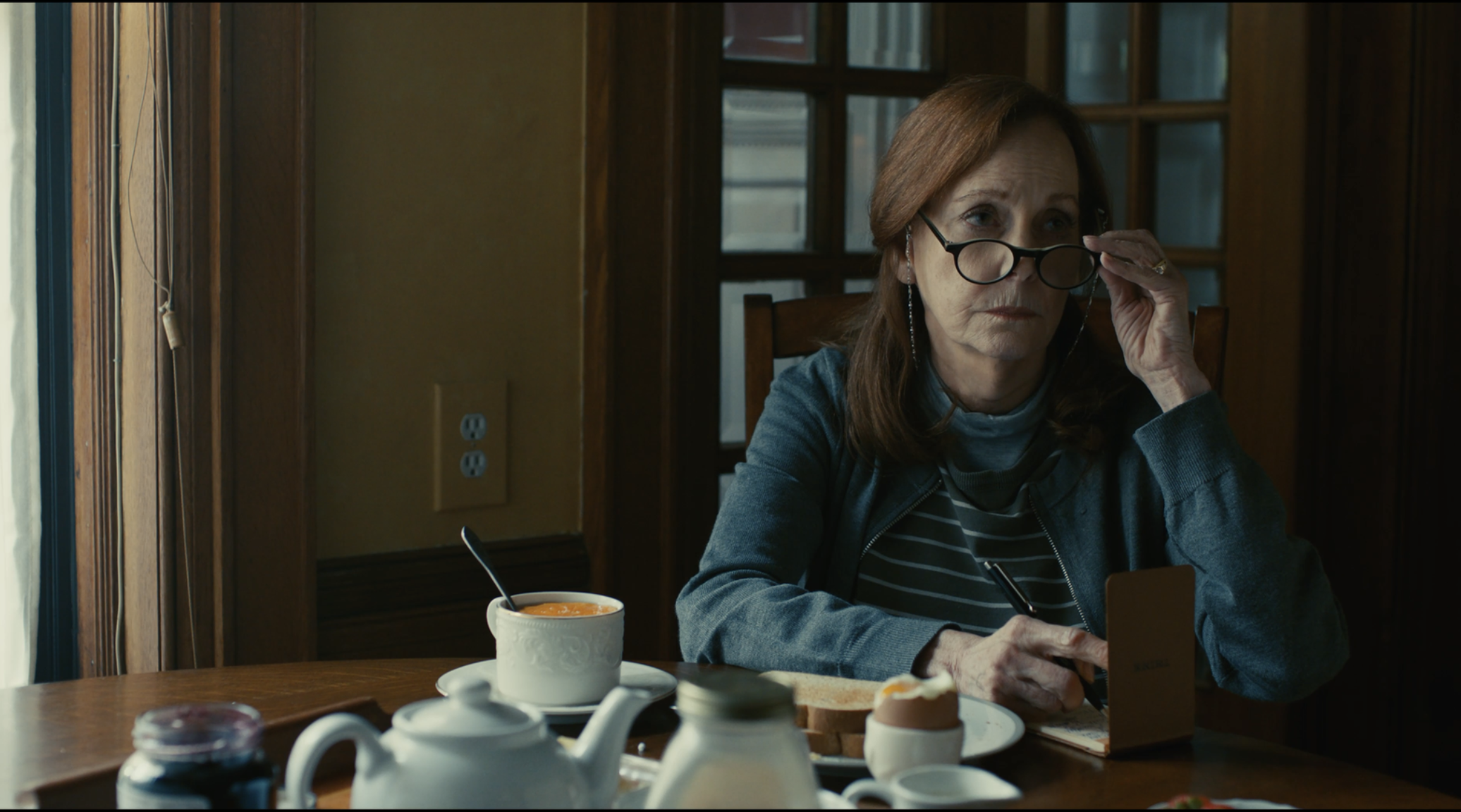
I certainly think Olive has a fighting chance at the Oscar's, especially considering its nuanced and very empathetic approach to those who have Alzheimer’s as well as their carers. However, I believe this film will be more of a calling card for Koch as he establishes his directorial style, hopefully convincing even more talented people to work with him on future projects, just how Lesley Ann Warren and Élodie Ichter were.
Even if it isn’t Olive, we’ll certainly see a Tom Koch film nominated at the Academy Awards in the not-so-distant future.
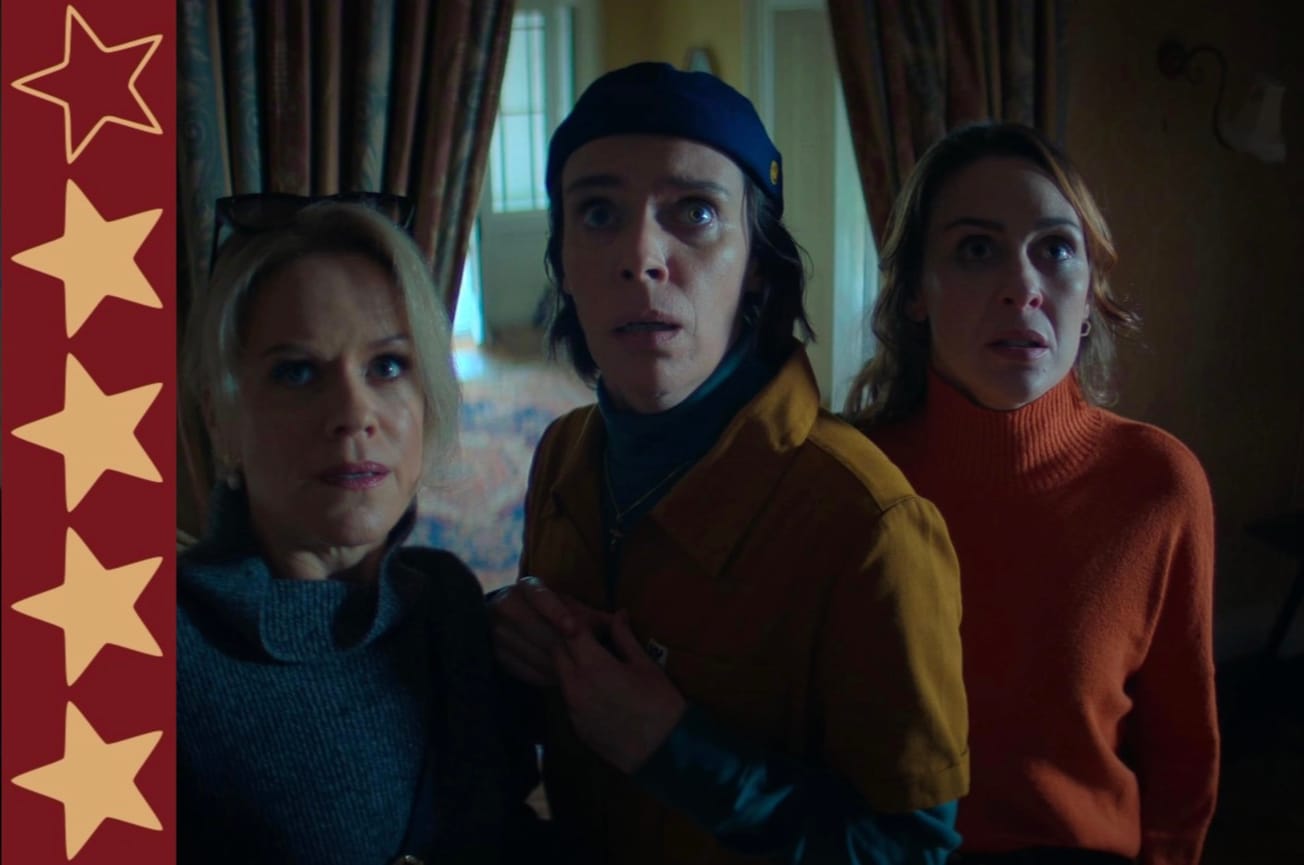
Featured Image: Tom Koch / Olive
Epigram is grateful to Tom Koch and Anthony Hon for this interview opportunity.