By Elizabeth Kalu, First Year, English
We rarely keep our New Year's resolutions, but films don’t seem to have this problem. On the optimistic silver screen, personal transformation is simply a choice - or a mishap - away. These changes can be subtle but there are certain tropes and cues that mark even the smallest character shifts.
If we look to the genre of romantic comedy, the dependence on the cast of supporting characters gives us much insight into the mind of the main character. The 1998 film My Best Friend's Wedding follows food critic Julianne (Julia Roberts), who is hell-bent on sabotaging her best friend Michael's (Dermot Mulroney) nuptials. Through consistent over the phone advice from suave friend George (Rupert Everett), we can track Julianne's evolution from jealous ex to the genuine friend she initially planned to be.
It’s through classic, wisecracking sidekicks like George where the protagonist is guided back to resolutions they may have lost sight of. So, if you struggle to keep resolutions, Buddy up! But preferably with someone that has a lot of free time. Chi Chi (John Leguizamo) from the 1995 comedy To Wong Foo, Thanks for Everything! Julie Newmar also shows the importance of friendship. It is only through the support of her fellow drag queens, the selfless Vida (Patrick Swayze) and insightful Noxeema (Wesley Snipes), that Chi Chi achieves her goal of becoming a real drag queen.
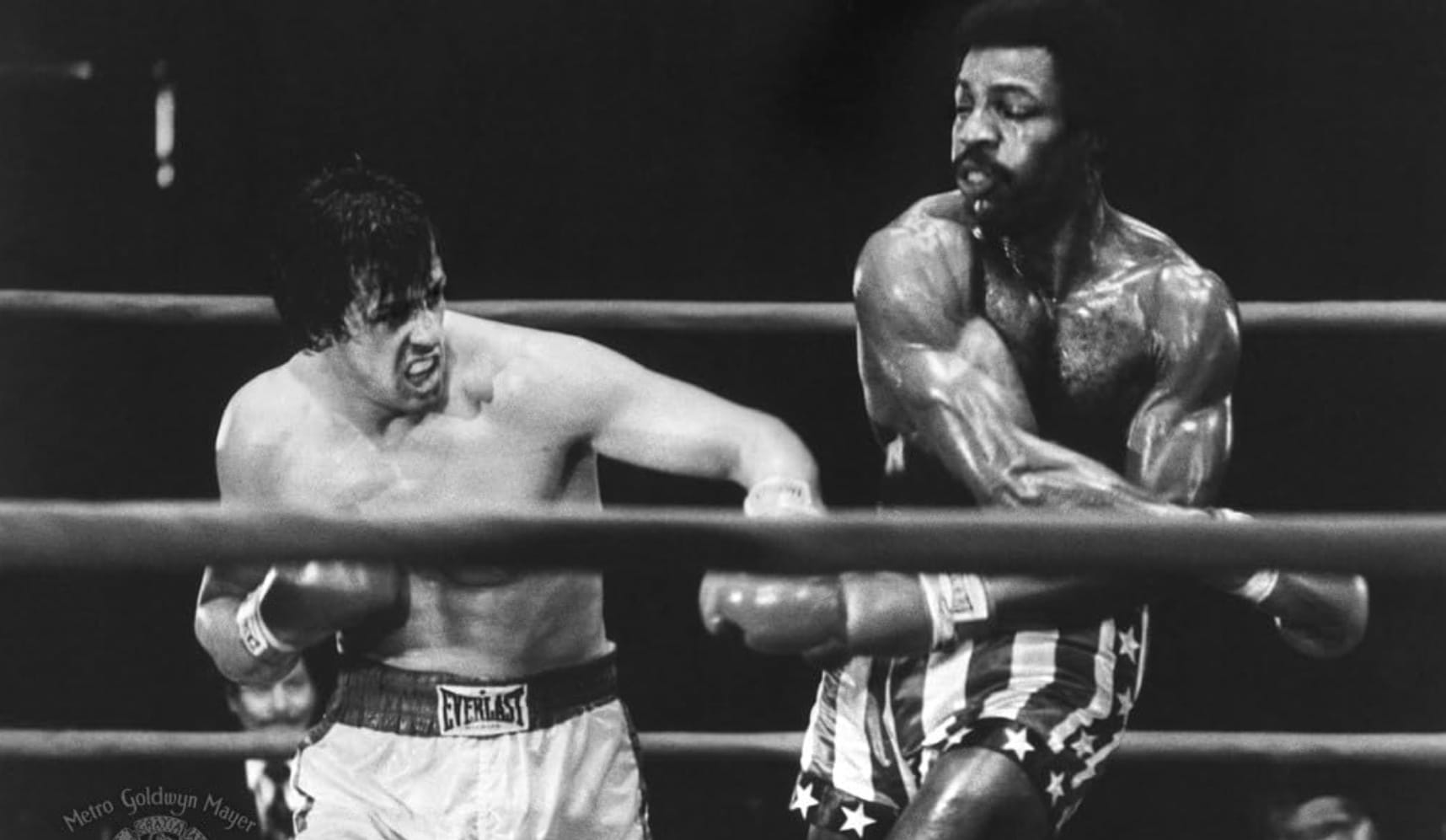
However, in films where a support system is few and far between, hard work conquers all. This is usually shown visually through repetitive motifs. The 1976 classic Rocky shows how hard work and determination allows anybody to achieve their goals. Rocky (Sylvester Stallone), an amateur boxer, is determined to 'go the distance' lasting all 15 rounds in the ring against heavyweight champ Apollo Creed (Carl Weathers). It's apparent from the opening boxing sequence that Rocky is not a naturally gifted athlete, but it's his perseverance and sheer determination that pushes him to succeed. Through the renowned training montage accompanied by an uplifting score, we watch him push himself, showing his shift from a 'nobody' to a recognised boxer.
The 2004 comedy Swing Girls maintains the same message. It follows a group of inept high school girls that decide to form a jazz band. Naturally, their lack of talent and status as delinquent schoolgirls earns them no support. Instead of giving up, the persistent Tomako (Juri Ueno) takes charge, consistently practicing and hustling to improve and perform at the music festival. There is not a time on screen where Tomako isn't working towards her goal, either she pawned various items to buy a knackered saxophone or she's rehearsing in the street. The jazzy soundtrack of the film against their tireless efforts makes us root for them and when they finally perform you cannot help but feel hopeful.
While the visual sequences do chart a character's growth, it’s the costuming that truly expresses all aspects of the character in mere seconds. Gladiator (2000) is a perfect example of this, as everything about our protagonist is apparent before he even speaks. The film begins with Maximus (Russell Crowe) in armour. He wears a simple red tunic below an ornate breastplate with stacked shoulders, topped off with heavy fur. This costume choice immediately shows how Maximus is a respected military commander.

The fur emphasises his close relationship with the emperor, while the various symbols on the breastplate are indicative of his courageous and loyal character. His outfit following his fall from power is a sleeveness and coarse tunic. It's in this outfit Maximus resolves to avenge his family and defeat new emperor Commodus (Joaquin Phoenix). This is why as the film progresses, we see Maximus in outfits that visually oppose that of the emperor. The pivotal battle sequence has Maximus in a conventional silver gladiator costume paired with a metal galatea covering his face. This contradicts the bare faced Commodos, who is clad in gold head to toe. Maximus' lack of individualisation aligns him with the common man, which shows how he succeeded in rebelling against the emperor's regime.
 Sophie Lee
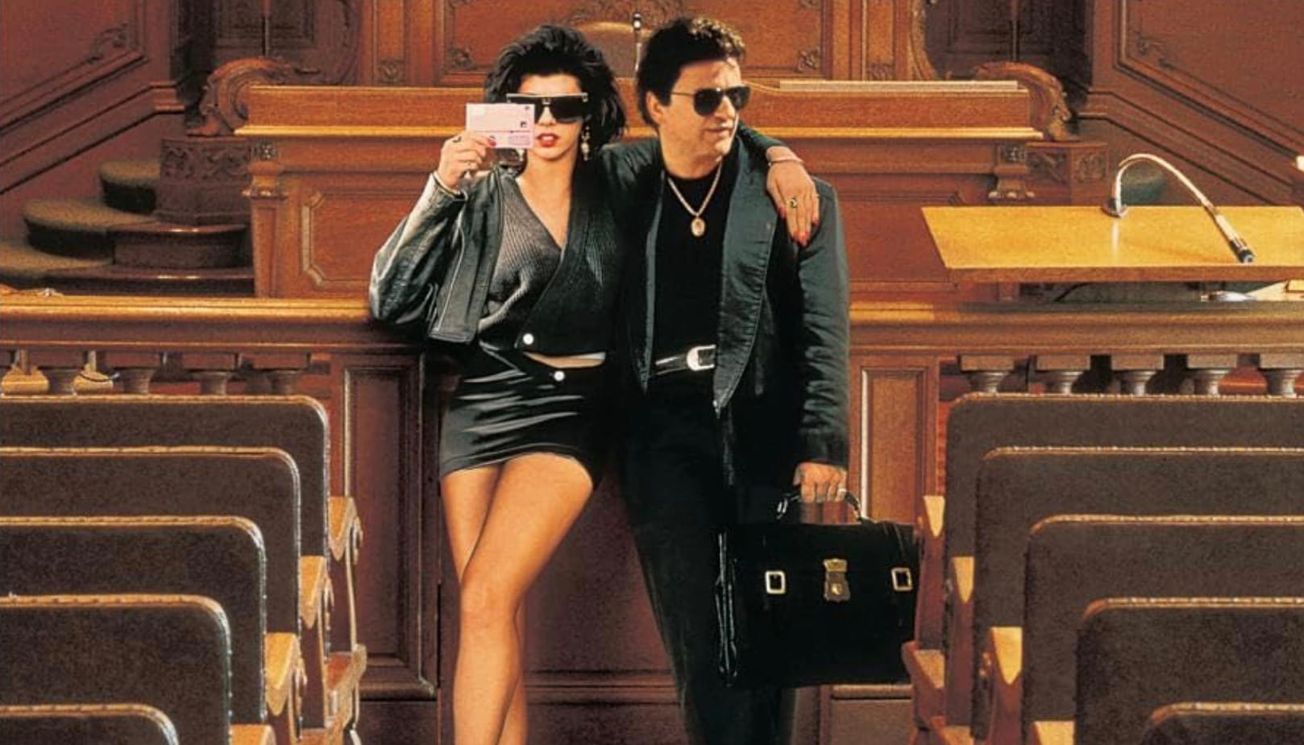
My cousin Vinny (1992) charts the progression of the offbeat lawyer, Vinny (Joe Pesci), plainly. His first appearances in court are marked by his proclivity to all black leather ensembles. After realising he wants to win the case and being told to clean up his act more than once ("next time you come into my courtroom you will look lawyerly"), Vinny adopts a new wardrobe philosophy. He trades his black chinos and chunky trainers for actual suits, beginning with an ill-fitting 70s monstrosity and ending in a sleek outfit. This shift in costume marks Vinny's evolution from a small-town amateur to a practicing lawyer. So if you need a shift in mindset, maybe it's time to leave the Bristol uniform behind.
In 2026, I hope we can follow the example of those on screen and fight to keep our resolutions – even though they may not always be as serious.
Featured Image: IMDb / My Cousin Vinny
What film helps keep you inspired to keep your New Year's resolutions?