
By Beth Nugent, Third Year, Film and Television
It’s been two years since the SAG-AFTRA strike shut down Hollywood to demand better pay for actors and protections against the use of AI in the industry, and yet it was reported by FilmsLA that film production in L.A has dropped even lower than it was during these strikes’ shutdown. So what’s going on with Hollywood, and can it be saved?
In the most recent quarter, it was reported by FilmLA, an industry-led non-profit that deals with the large majority of filming permits in L.A, that the city had seen a total of 2,631 filming days, which was down 145 from the fourth quarter of 2023, when the writers and actors were on strike. The saving grace of the strikes was reality TV shows. Since they didn’t fall under the parameters of the strike, they were allowed to continue filming freely; it was the rest of the industry that suffered.
However, reality TV has just had its second-worst quarter of the last 15 years, causing studio lots and filming locations to stand empty waiting for a studio to greenlight a show to fill them. Feature films were up slightly from the previous quarter, but still 30% below the five-year average, and other TV productions, such as TV show pilots, comedies and dramas, were down 33% in the quarter.
The root of Hollywood’s problem is that studios are now so risk-averse that they won’t take a chance on original ideas. In a recent talk in Wills Memorial Building for the autumn arts lecture series, Tim Harcourt, Chief Creative Officer at Studio Lambert, the studio that produces shows like Gogglebox (2013-), The Traitors (2022-) and Race Across The World (2019-), explained that studios just don’t want to spend money on something they aren’t completely sure will do well.
He discussed the rise of the sequels and adaptations of existing IPs (intellectual properties) and admitted that the industry was suffering from studios refusing to greenlight projects. This is more than likely contributing to the decline in film production.
This could also just be the swing of the pendulum since we’ve spent so long mass-producing content. A decade ago, a 22-episode season for a 7-season show was the norm, but now audiences have to fight for their favourite eight-episode season show to not get cancelled after its debut.

One producer spoke to Deadline and said, ‘If you think about the business as a whole, it’s severely diminished. We’ve been through an explosive 15-year content bubble. There’s now a major contraction, and there’s just not enough money in the system to support all of the people who were doing what they used to do. There’s going to have to be air let out of the balloon; the market just can’t support it.’
This suggests that a decrease in production is just something to be expected, and hopefully, we will swing back soon, but can Hollywood survive the wait?
But while Hollywood is hanging on by a thread, it doesn’t necessarily mean that film itself is dying; many productions are choosing to fly out of the country for lower labour costs and tax incentives.
So, the film industry is in a strange situation: European studios are bursting at the seams, while Hollywood sits empty. Beau Flynn, a producer known for films like Murder Mystery (2019), and Red Notice (2021) expressed his frustration at this trend, saying that, ‘This is an existential crisis - This is an extinction event.’
 Beth Nugent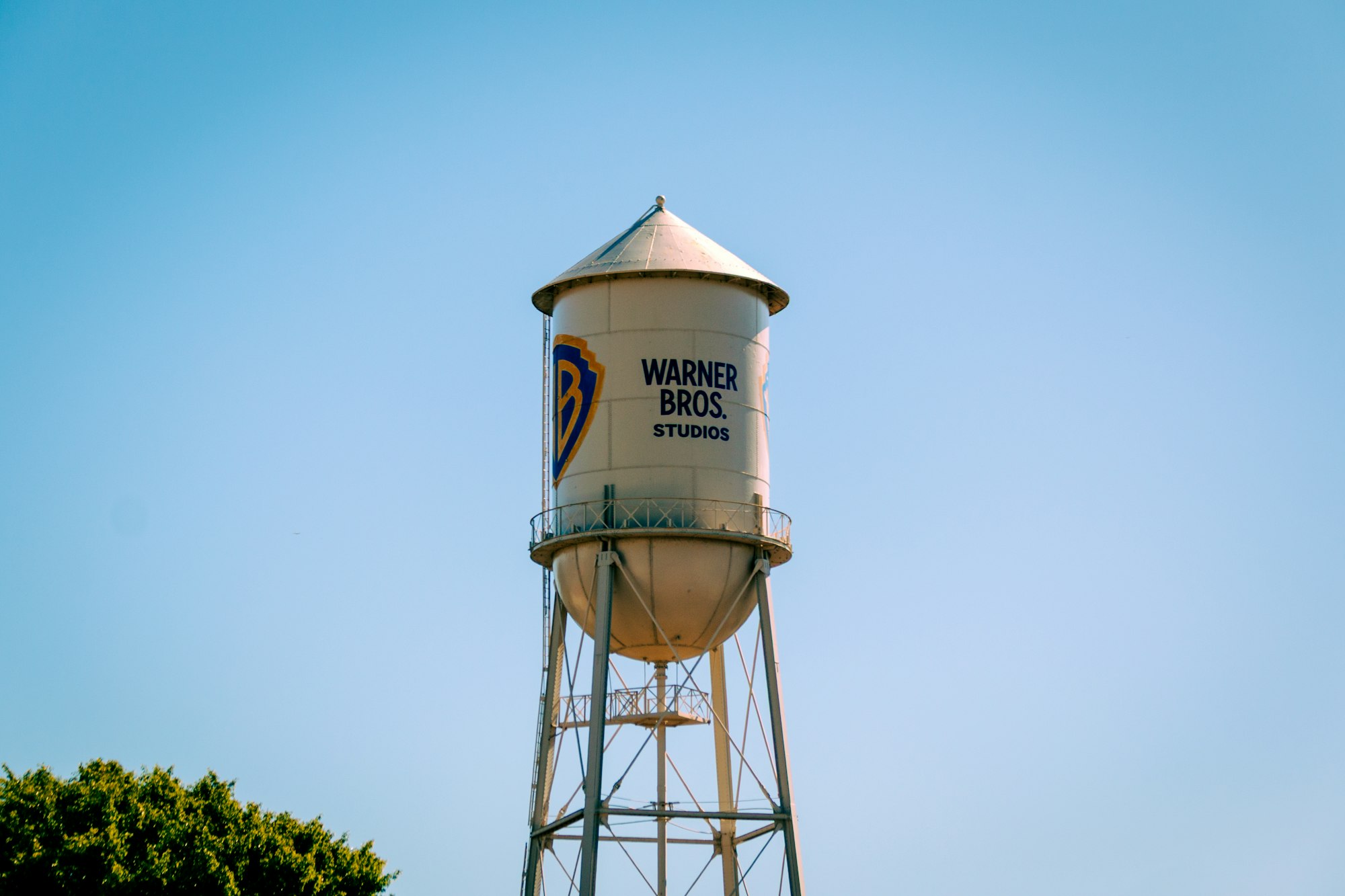
The lawmakers in California are certainly making steps to protect the film industry in the state, with a new expansion of the film and TV subsidy, which has gone from $330 million a year to $750 million and now includes sitcoms, large-scale competition shows and animation.
The new incentives wouldn’t have had time to make an impact on the data just yet and FilmLA’s vice president, Philip Sokoloski injected a boost of optimism into the report saying that ‘Fortunately, we’ve already begun to see early signs of these incentives having their desired effect; we’re excited to be taking calls from productions looking to line up their locations and pull permits.’
So there's a glimmer of hope in the dark tunnel, and hopefully in the next quarter we’ll see the effects of this new initiative. In the meantime, places like Budapest, Ireland, Scotland and Croatia will likely continue to see large amounts of filming while L.A will sit empty waiting for us to return.
Featured Image: Nikhil Mistry / Unsplash
Do you think the golden days of Hollywood in L.A are truly over?