Consider the bench. At Cabot Circus, it presents itself as a public space of rest. On closer inspection, however, the design of the benches prioritises deterrence over comfort, featuring blunt metal spikes and dividing metal bars. A subtle but intentional choice. For a shopper with a home to return to, it's barely noticeable. For a person without shelter, it is a declarative gesture from those who crafted the space.
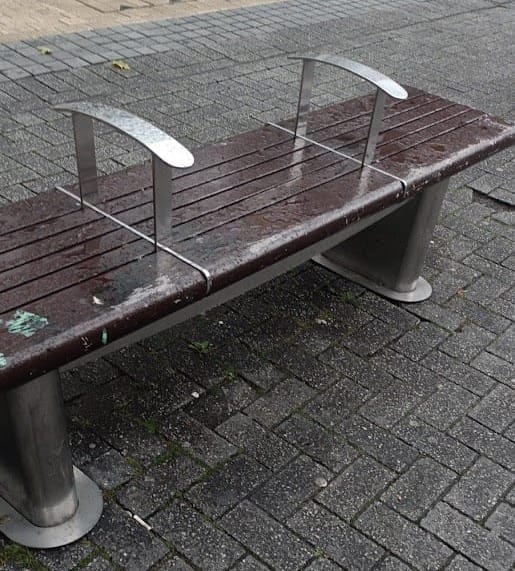
'I slept on the grass in parks, it was better than actual benches'
This is the state of Bristol's architecture–subtle yet noticeable changes that make spaces just comfortable enough for some, while harshly excluding others. I reached out to a University of Bristol student who experienced homelessness for a few months, who states, 'I slept on the grass in parks, it was better than actual benches.' If even the grass in parks is more comfortable than its benches, does this not suggest the cruelty of Bristol's public architecture?
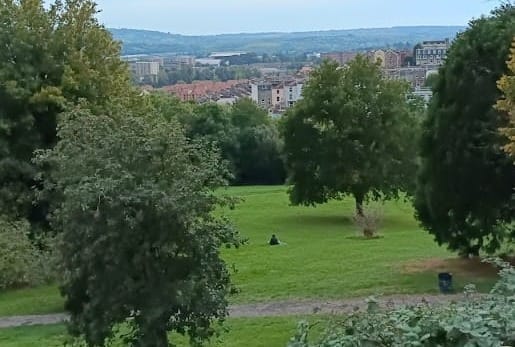
This tension between aesthetic inclusivity and practical exclusion is central to the new Liveable Neighbourhoods programme. Bristol City Council's aim? To create a space where everyone feels comfortable and is able to breathe clean air. To do so, the council has turned to architects to design new benches and new community spaces. The question is, will this programme undo the exclusion already built into the existing city architecture, or is the programme running along the same lines as the already existing hostile architecture?
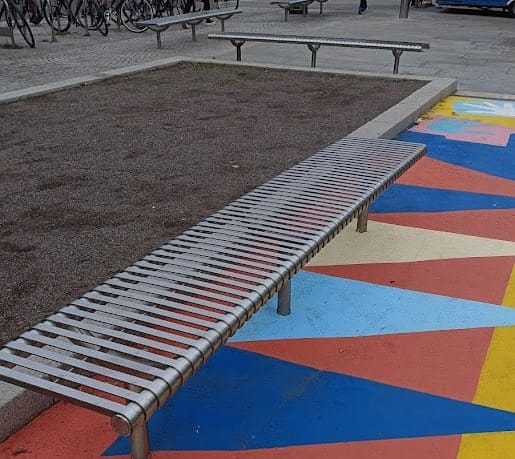
When I spoke to Ruby, a local Bristolian masters student who has lived here their whole life, they said that they have never heard of the initiative and it has probably done more to 'glamour up the city for the public' rather than actually help people. After showing Ruby examples such as the newly painted area in the city centre, they said that they do not think the Liveable Neighbourhoods programme has done enough. While it appears more inclusive–featuring benches, lighting, and community spaces – most of the new designs incorporate slits into the seating surfaces, a subtle but effective design tactic to discourage both prolonged sitting and potential sleepers. This critique highlights a fundamental question: is the city investing in public art and design that serves people, or that manages them?
And the issue of anti-homelessness caused by public architecture is also linked with the loss of public spaces. The redesign of The Galleries is a macro-scale example of this exclusionary design principle. The architectural plan consciously chose to replace a low-cost, weather-protected public hub with a series of private, high-end residences – a change that fails to benefit the shoppers who previously utilised the space. This deliberate erasure of a communal space pushes vulnerable populations into the few remaining open areas– spaces that are themselves fitted with anti-homeless design features intended to move people along rather than offer shelter.
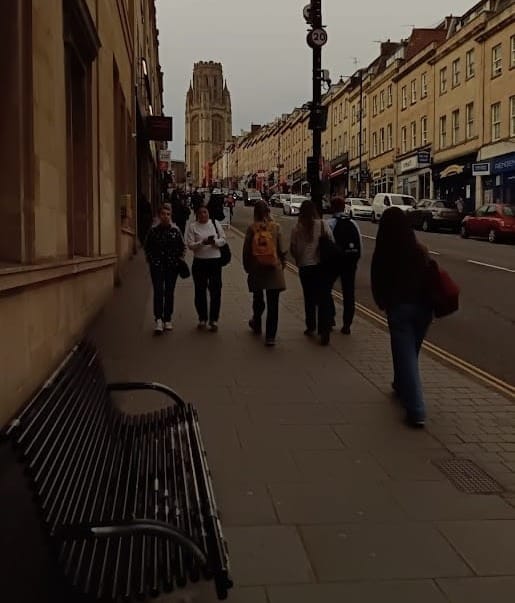
Park Street, one of Bristol’s busiest hubs for students, shoppers, and tourists, is a striking example of how public spaces in Bristol can be unintentionally uninclusive. Despite the heavy wave of people, benches are scarce, only one can be found, and even that sits at the foot of the street, forcing anyone with mobility issues to struggle uphill. Even recent street improvements under the Liveable Neighbourhoods scheme fail to address this – and may, in fact may exacerbate existing problems.
As the news site Bristol 24/7 reported, Bristol residents fear that measures designed for cyclists and pedestrians could have detrimental effects on those with mobility issues, as well as older people and those who rely on cars, turning Park Street into an obstacle course, undermining the entire purpose of the Liveable Neighbourhoods programme.
If the Bristol City Council wants this new scheme to work, it must listen to the public. Hopefully, the city's leadership will begin to follow the very guidelines it has set out on the Bristol City Council website: 'Designing changes with the local community means they'll meet local needs.' The question still remains: Will the city continue to use architecture as a subtle tool of exclusion, or will it embrace a more compassionate design ethos– one that treats public space as essential to the shared human experience? The answer will determine whether the city's architecture is ultimately against its people, or for them.
Featured Image: Unsplash / Roxanne I
Do you think Bristol's architecture is inclusive or hostile?