By Lindsay Shimizu, Third Year, English
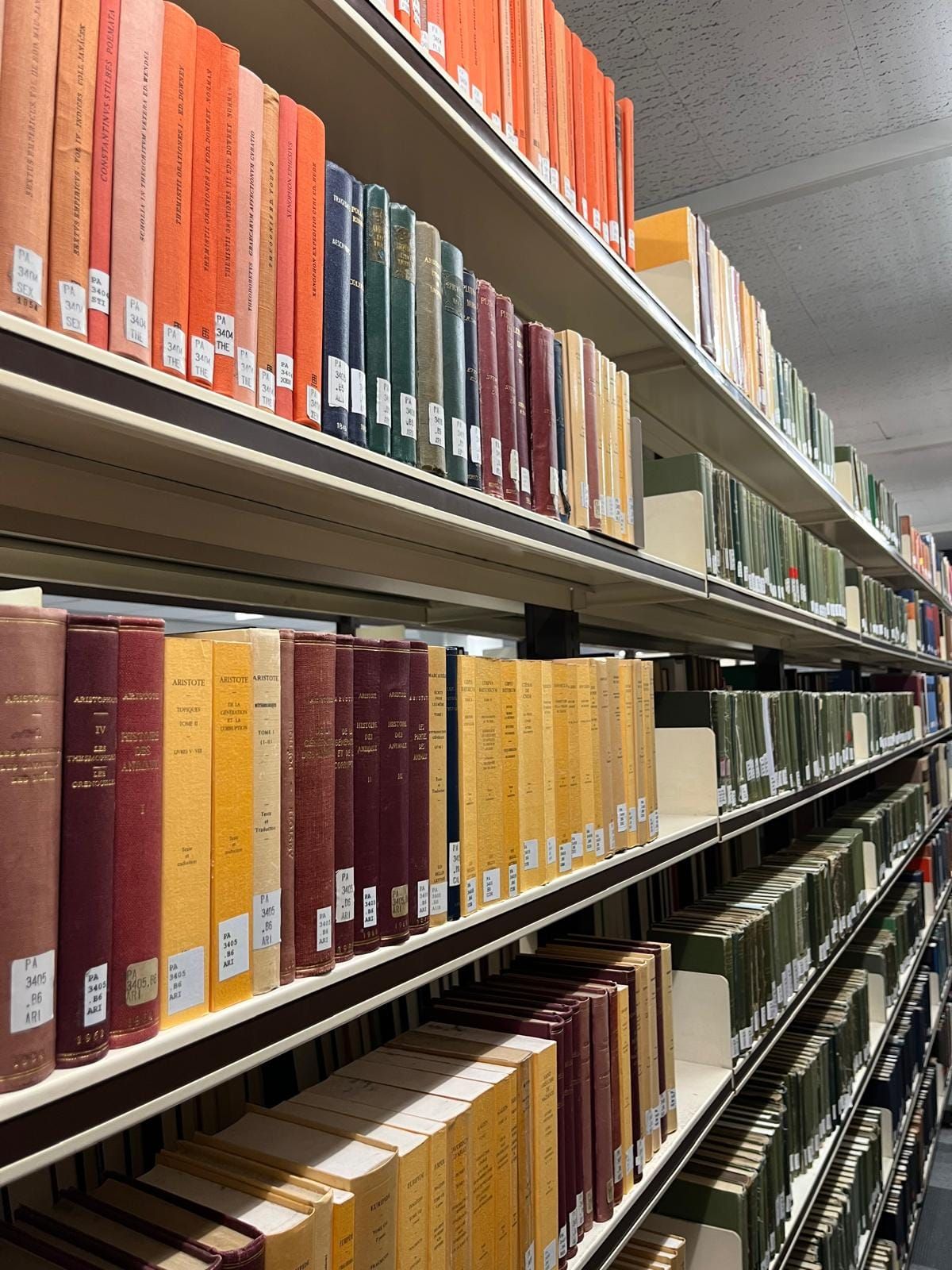
As the Arts and Social Sciences Library (ASSL) reopens, I picture swarms of students rushing to gawk at the improved design complete with a cafe and fancy new enquiries desk. People will fight over seats moving into reading week and then all too quickly into exam season. The ASSL's renovation will spark interest because shiny new things always excite us. But as a library lover, this rare attention on campus gives me the perfect opportunity to explain just how vital both campus and public library services are for students during and after their degrees. The concept of the library and its value is incalculable in a world in which everything has a price.
I know saying ‘I love the library’ as a frugal English student comes off as cliched. I also grew up with a mother who has library cards in three counties and always signed me and my sister up for the library’s summer reading challenge. Even without a borderline obsession like myself, most students know the value of the campus library. Research must be done, resources must be found, people need to study. It becomes a given that there should be a place with tools that help students succeed with their studies, but because of this, the library fades into the background until the next time it’s needed.
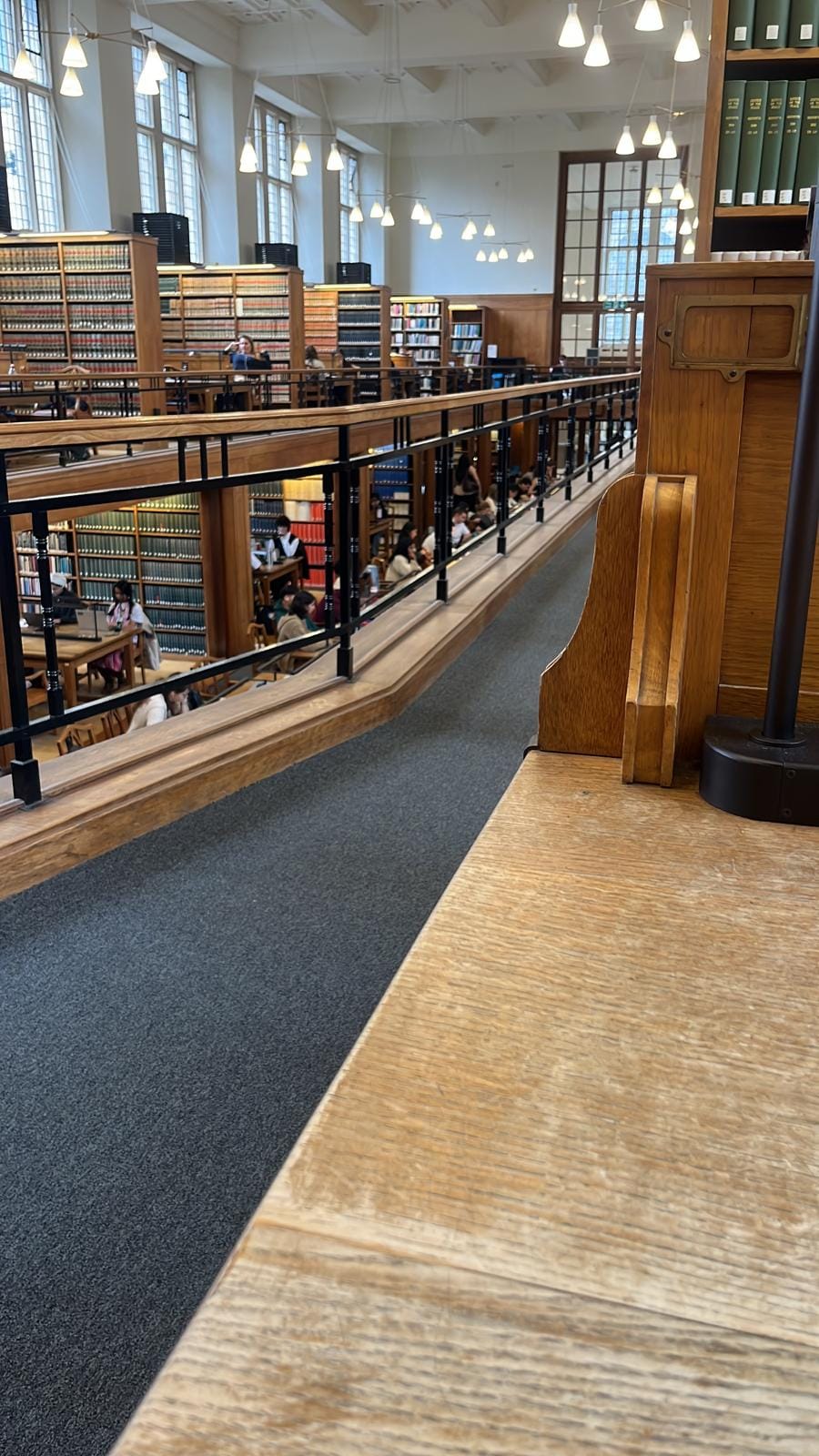
I would do well to point out how rare these services actually are and to emphasise that there is so much more that libraries do beyond providing books and study desks. The uni libraries let you borrow books, ebooks, audiobooks, magazines, journals, articles, film, and television. Beyond that, city branches might offer music, museum passes, board games, kitchen equipment, and more. It’s just a matter of knowing that these resources exist. Now that I have a library card, I always have physical books checked out on my shelf, holds placed, and I'm constantly making use of digital and paywalled content. I even checked out a madeleine baking pan this summer instead of buying it new. And the cost? Nothing.
Think about everything you pay for nowadays. There are arguments that if the concept of the library was pitched as a brand new idea today it would be seen as extreme or impractical. The gratis concept would be unheard of. Even countering that everything can be accessed online feels weak when you consider how much of that content is paywalled or hard to find or flat out misinformation. Libraries give out something as precious as information (along with so many other things) for free. The price tag of the library (or its lack thereof) is not to go unnoticed.
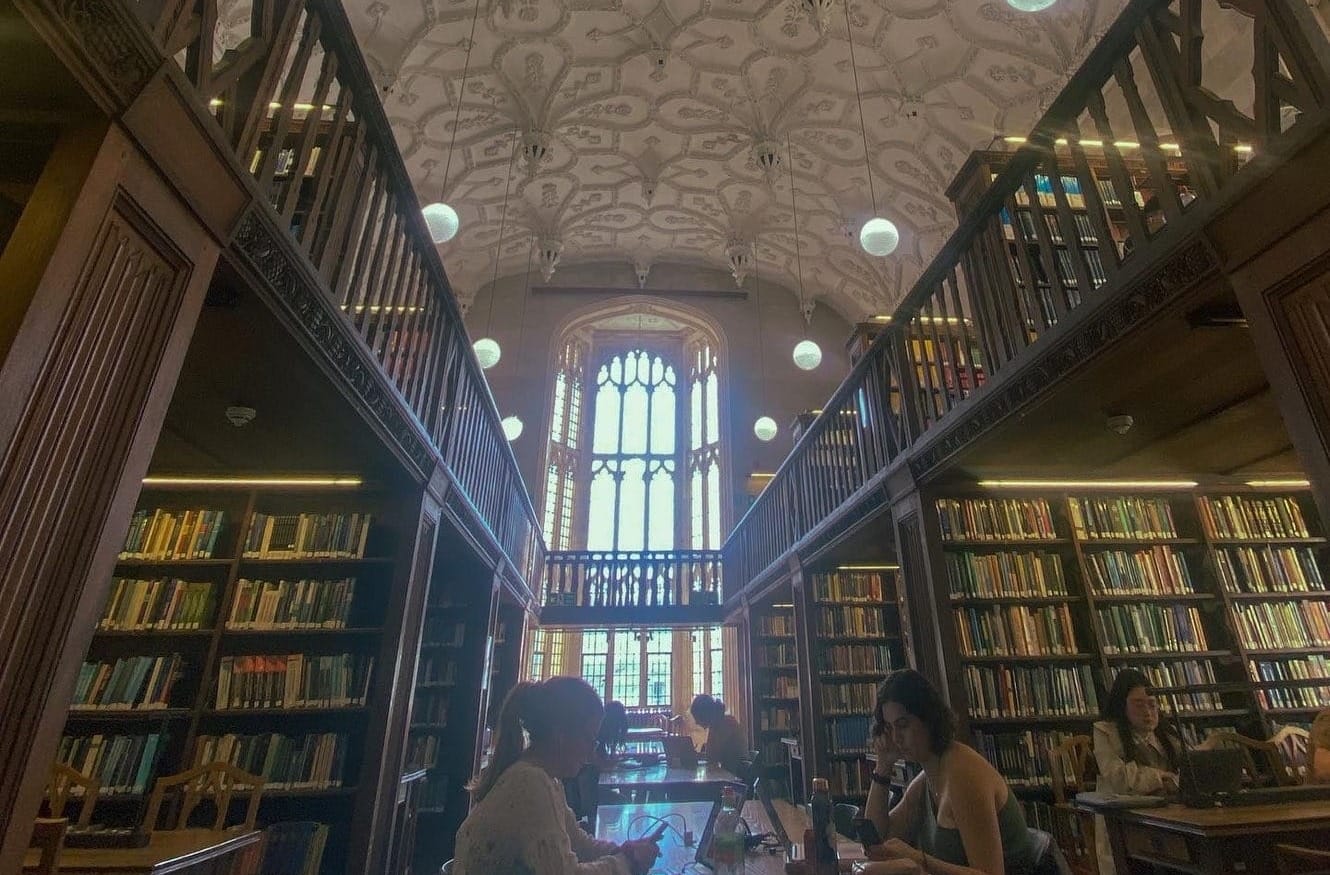
You can tell me that these things are not technically free because of taxes and tuition fees. That’s every reason to use them more. Make the most of your money. I go into bookstores now only to later check the library to see if they have the book I want instead. I wait longer for new releases until the library adds it to their shelves. To visit the library is to consume less, to save money, and affirm that there is value in providing everyone access to information, education, and community. For indeed libraries are about community more than they are about seeking out information.
The imagined library is a silent one with dusty books and individuals searching shelves all on their own. University of Bristol libraries offer academic services and learning support, services extending beyond finding a book for a research paper, and if you visit any public library, you’ll be met with an overwhelming catalog of community events and services. To name a few, there are book clubs, ‘crafternoons’, storytimes for children, summer reading initiatives, English-learning workshops, writer’s groups, specialised clubs, fundraisers, and volunteer opportunities. I’m spelling out these exhaustive lists intentionally. You might have no interest in libraries because you don’t know what’s there.
 James Lewis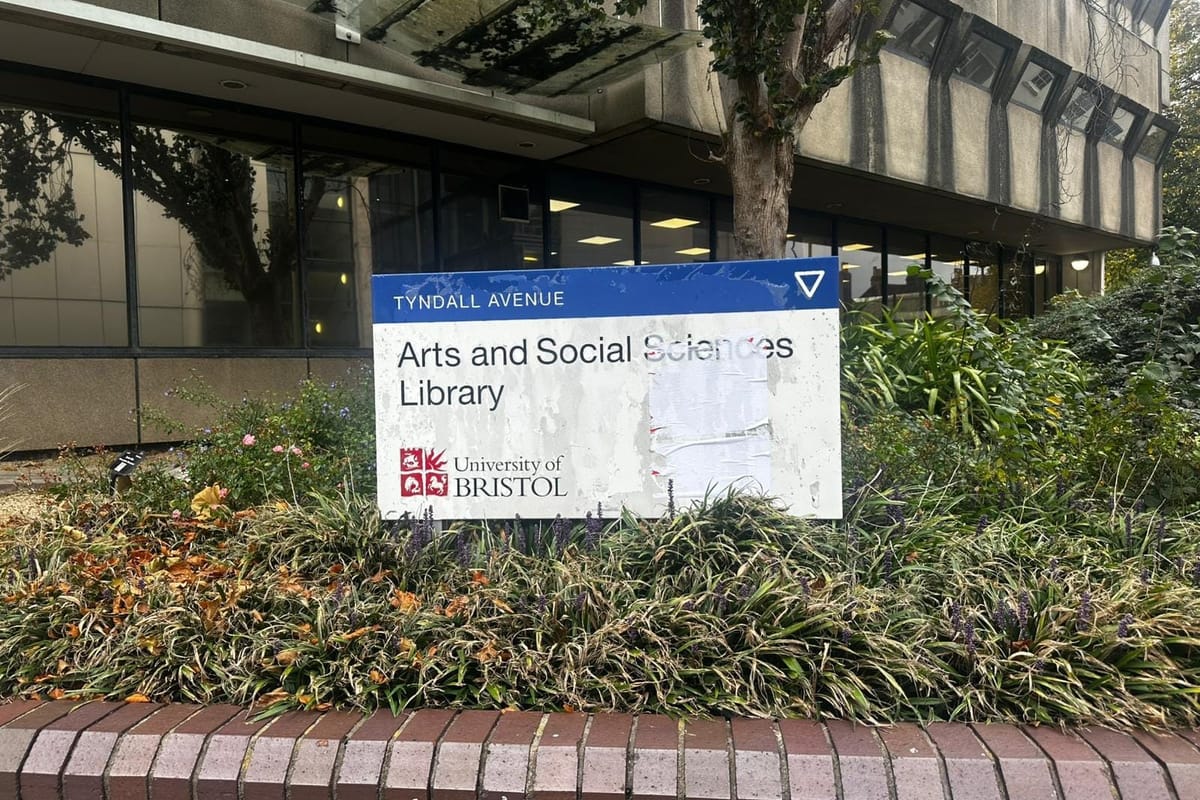
The thing is, after graduation, you’ll lose access to the campus libraries which means losing digital archives like J-STOR and losing every seat in the ASSL. Still, public libraries will always exist to provide resources, promote community, and save you money. Educating ourselves does stop once our years on campus are over. An important lesson is learning your values. If you value education and community, look to the library.
Featured image: Epigram / Lindsay Shimizu
Will you visit the library after you graduate?