
By Grace Rose, Second Year, English
In the first year of University, most of the student population are dropped off by their parents to a bounty of uncharted water: a foreign city, independent living and most crucially a house or flat full of strangers that are in most cases our primary options for friends (or slightly forced acquaintances). As is told to us routinely in our early years, ‘you are not going to like or agree with everyone you meet in life’, but how best can we go about manoeuvring awkward tensions when those you meet, live with or even call a friend push the boundaries of appropriate social conduct?
It is never comfortable, especially in the anxiety-inducing newness of first year, to call someone out for their offensive words or conduct, which is understandably why many remain silent even when they are aware of injustice. It is however vital to remember that the herd mentality of fear of reproach is why so many arrive at university with the notion that their offensive, potentially harmful behaviours are socially acceptable. The collective ‘we’ must sometimes stick our necks out in order to (hopefully) educate the uninformed and protect someone else down the line from suffering at the hands of unchecked behaviours.

The first year of University involves meeting a large variety of people with an even larger variety of opinions. For me, many of these people would become my closest friends. There were, however, many occasions of late-night conversation and drunken musings that led to somewhat heated conversation over the ethicality of words and actions. I was lucky in that most of my experience of challenging dated views, homophobia or misogyny was often backed up by others around me and met with willingness to understand. On the occasions when it was not, I was happy to make some temporary enemies on principle. It is possible to question someone's social misstep without insult, aggression or a complete writing off, and it is in fact these kinds of productive conversations that enlighten the unenlightened. No one wants to have their mind changed by someone who immediately goes for the jugular.
'Telling your mate they have slipped up or offended is part and parcel of any relationship based on respect'
I can however recognise that my position is one of privilege as a woman not bound by some distorted notion of masculinity that inhibits so many men from calling out their counterparts in these same discussions for fear of ‘sensitive’ or ‘woke’ labelling. I cannot pretend to know entirely how all-encompassing this fear is to some men, though I can speak to my observations of my male friends who I have seen on numerous occasions get the act of ‘calling out’ right. This being that it was done calmly, impersonally and always from a place of mutual respect with an aim to inform rather than to attack; even sometimes in a jovial manner to dissipate tension while still conveying their point (when the subject matter allowed for joviality of course). In other cases it was done in private sidebars so as to depressurise the discussion and allow for the most understanding to be reached without the convolution of multiple voices.
 Sofia Athena Roberts
I maintain that done right, telling your mate that they have slipped up or offended is part and parcel of any relationship based on respect, and should always be met with a genuine intent to listen and correct or at least to listen without reproach. If your ‘boys’ are people that have no time for constructive criticism or who are downright bigots, then I would argue that these are not the best people to surround yourself with; as is true of friendships of all genders. Before coming to university I may have been less inclined to make this argument steadfast, but after forming friendships with great men who have no time for toxic masculinity, I have seen that it is possible in groups of men to foster an environment that allows for calling out without consequence. I would encourage any reader to actively seek this out in their friendships as well.
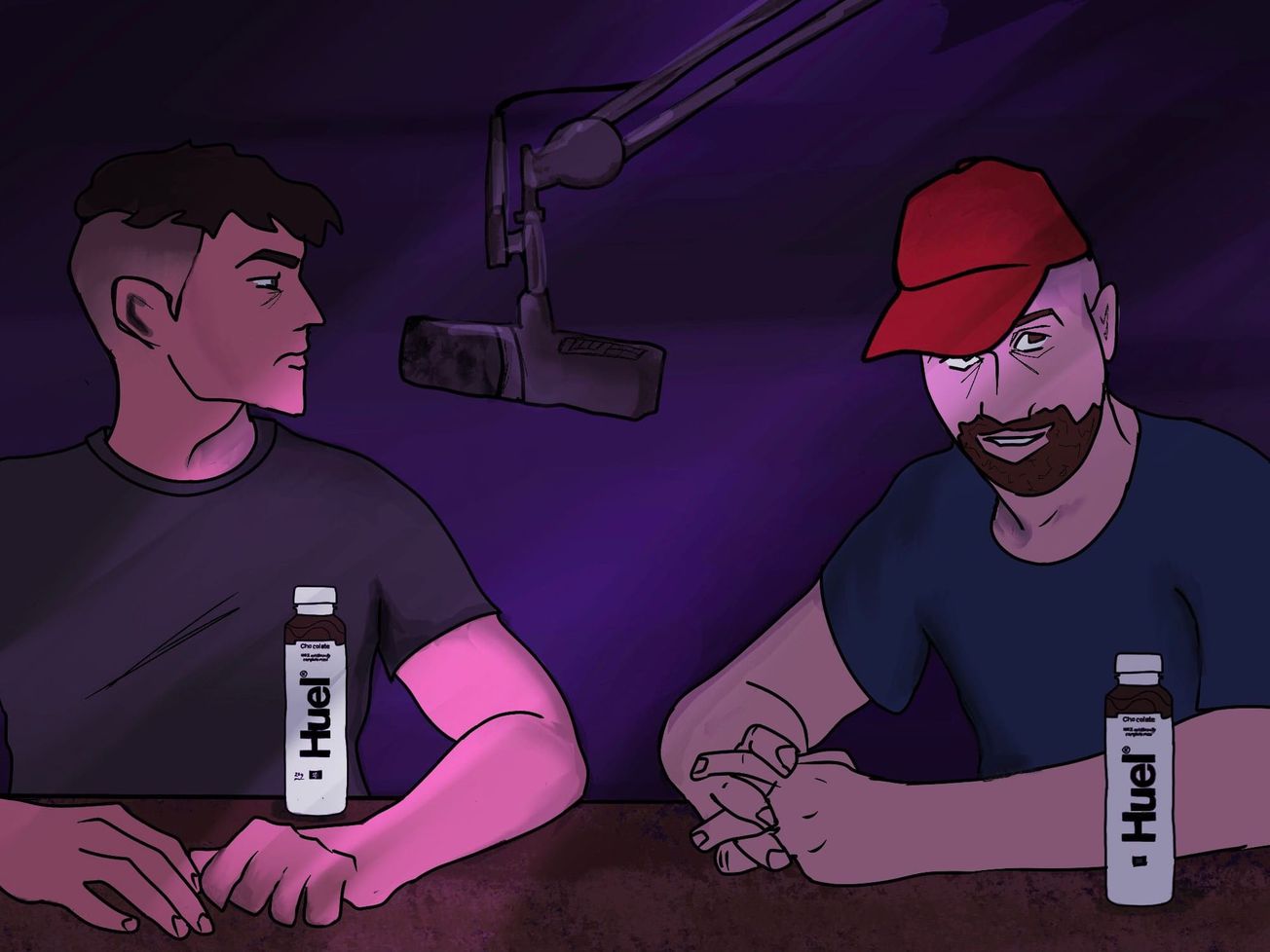
Featured image: Grace Rose / Epigram
Is there someone in your friendship group who tends to take things too far?