By Beth Nugent, third year, Film and Television
The 2010’s had no shortage of dystopian YA novels turned movies, from Maze Runner (2014) to Divergent (2014), our young minds were filled with corrupt governments, but one franchise stood out as actually good and still holds relevance in today’s world. The Hunger Games (2008-2010) as a book series was wildly successful in isolation but when it was adapted into a movie franchise it took the world by storm, grossing over $3 billion worldwide with a combined budget over the four films of $493 million, it ranks itself as one of the highest grossing film franchises to date. But why is this film regarded as a good adaptation, and how did they achieve it?
The original trilogy focuses on a dystopian world where North America, now Panem, is divided into 12 districts each responsible for a different craft to help the country function. District 12 is coal, four is fishing, seven is lumber etc…. Then there is the infamous capitol where the rich reside. To remind the districts that they are inferior to the capital and to punish them for an uprising 70 years ago they host the Hunger Games, where two tributes aged 11-18, from each district are thrown into an arena and forced to fight to the death.
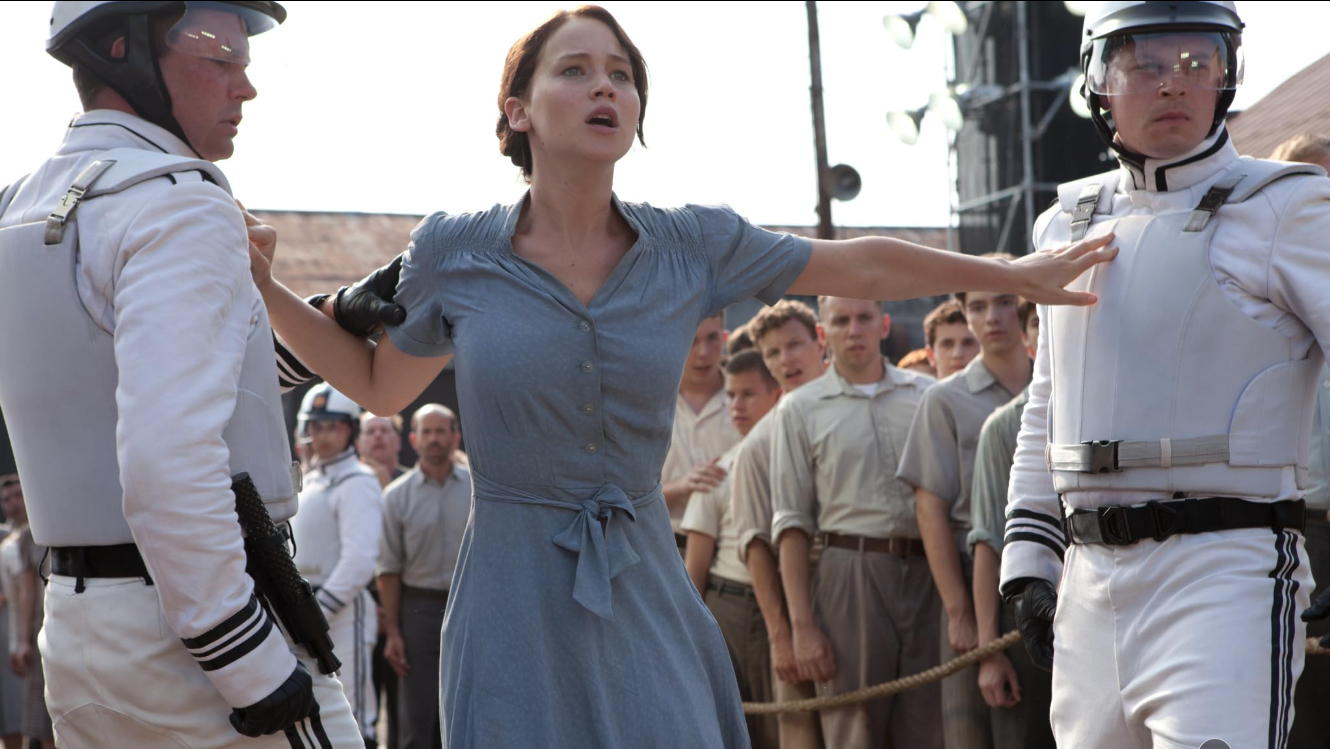
When the adaptation came to our screens it did something so simple yet so impactful to guarantee its worldwide success. It didn’t change the original message of the books and it didn’t shy away from disturbing themes. The Hunger Games, at its core, is a social critique. The author, Suzzane Collins explained her inspiration for the book came about when she was flipping through channels and went back and forth between war coverage of the invasion in Iran and a reality TV show, she expressed how the two channels ‘began to blur in a very unsettling way’. That message and theme that is ever present in the books was never lost in translation when it came to the film adaptation, in fact, it was amplified.
The most impactful way Gary Ross and Francis Lawrence (Directors of the first and other three films respectfully) showcased this critique, was by giving the audience the striking visuals to contrast the districts to the capitol. To see the stark difference through clever colour grading that made the Capitol vibrant and full of life, as opposed to the dull grey tones of the districts allowed us as an audience to fully comprehend the juxtaposing lives these characters were living in a way that was intended to shock its viewer and introduce the unjust nature of the society.
Books have their limitations, and in this instance, the books were only written from Katniss’ point of view giving us a limited outlook to the world of Panem. The films however, dove straight into the world that we weren’t able to explore in the book, from capitol children playing with swords and pretending they are in The Hunger Games to watching the sadistic orders of the gamemakers, these visuals came with their own onslaught of feelings of disgust and devastation that were so effectively translated to the big screen through thoughtful direction and appreciation for the literary material. By using the visual medium of film to facilitate the amplification of the original message of the book, The Hunger Games secured love within its pre-established fanbase and reached many more people through intriguing plots and stunning visuals.

But the franchise hasn’t stopped there. In 2019, Lionsgate confirmed they would be working with Collins to adapt ‘The Ballad of Songbirds And Snakes’ into a feature film, nine months before the book was published. Similarly, the newest instalment of the Hunger Games world, Sunrise On The Reaping (2025), was announced by the publishing house Scholastic and Lionsgate confirmed it’s adaptation only a few hours after the initial announcement. With this new way of adapting books into movies, with casting directors reading books before the general public, we have quietly entered a new era for book to screen adaptations and let’s hope the odds of success are in our favour.
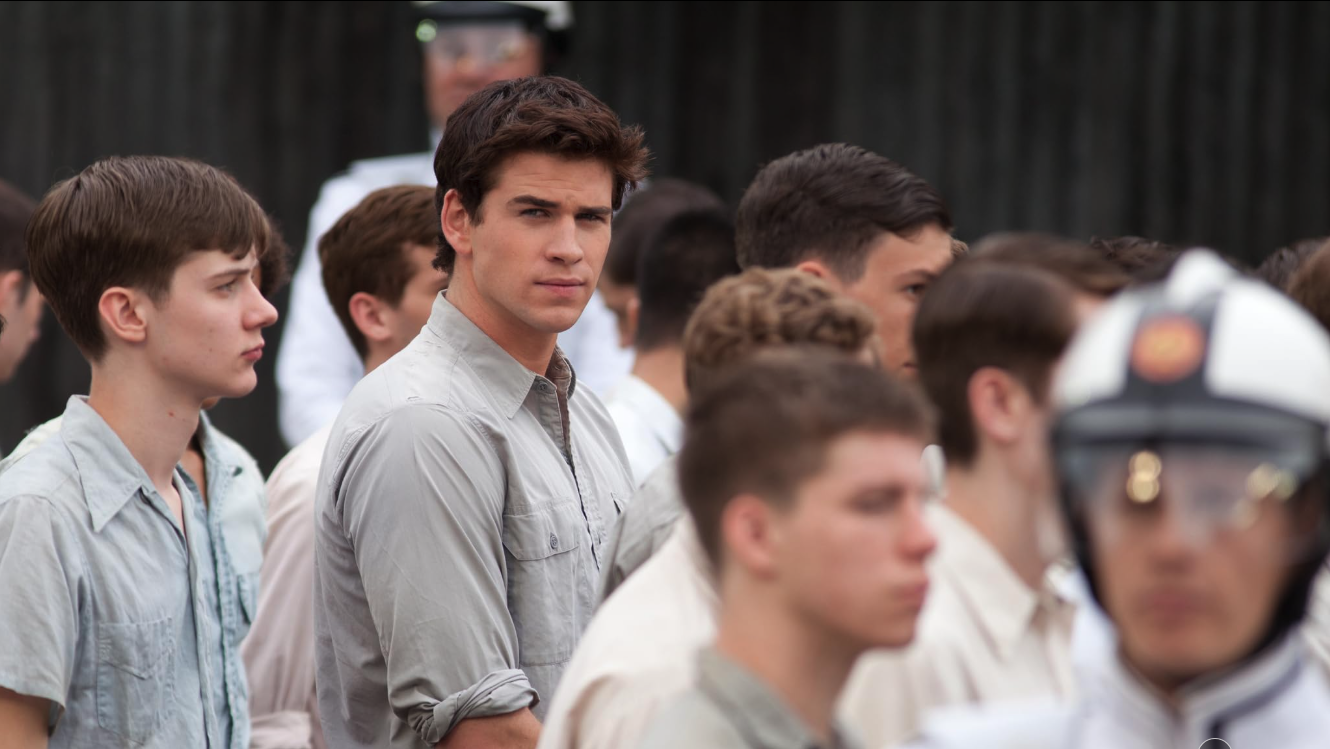
While there is the mystery surrounding how this new movie will be adapted it’s safe to say that the original Hunger Games trilogy resides happily in people's hearts as one of the best book to movie adaptations. And while these movies and their social critique might not change the world, it did unite an entire generation through something very special… a hatred for Gale Hawthorne.
Featured Image: Murray Close/ Lionsgate
Are there any other film adaptations that you think is on par with The Hunger Games?