
By Anna Dunphy, First Year, English
Many of us may have mixed feelings when thinking about the looming winter. With increases in illness, feelings of fatigue, and the dreaded winter blues, the colder seasons can be a tough time for lots of people. But what actually is it that causes these issues?
Both biological and social factors play a role in seasonal fluctuations in mood. On the biological side of things, research suggests that shortened periods of daylight in the colder months can impact our hormones, which in turn affects our mood.
Reduced sunlight exposure can lead to lower serotonin levels, a hormone that plays a key role in regulating mood. This can lead to increased risk of low mood or depression. Sunlight also affects melatonin, the hormone responsible for regulating sleep-wake cycles. Longer nights in winter can lead to increased production of melatonin, which can cause sluggishness. Lack of sunlight exposure also leads to reductions in the production of Vitamin D, which has been linked to depression and anxiety.

Social and cultural factors can also play a role in feelings of sadness. For example, cold weather can make people less willing to socialise, leading to isolation- as the nights get colder, we might all find ourselves suffering from a lack of Brass Pig nights out. For university students, exam season and deadlines towards the end of the winter term can also increase stress and make it more difficult to spend time with friends and family.
The seasons also tend to play a role in the spread of illness. We almost always see an increase in respiratory infections such as influenza and Covid-19 during the winter. One reason for this is reduced humidity in the air during the colder months; this means that, for some viruses, droplets released from coughs, sneezes, and talking hang in the air for longer periods of time and are able to spread further. Add that to our tendency to spend more time close together indoors during cold weather, and the spread of disease around campus skyrockets.

Dips in mood also can occur during the warmer seasons- around 10% of Seasonal Affective Disorder cases occur during the summer. Potential factors for this include physical discomfort in heat or humidity, the social expectation to have fun during summer, body image concerns, and disruption to routine. Beyond mood disorders, studies have noted an increase in violence in the summer months. For example, research on the rates of violent crime in Philadelphia reported a 9% increase in violence on hotter days. It has been theorised that this is due to physical discomfort caused by the heat- so if you find yourself snapping during the Bristol heatwave, know it may not just be slow walkers on Woodland Road getting to you.
So, seasonal changes can be a difficult time for many- I for one am not looking forward to waking up for lectures in the dark. As such, as we move into the winter months, it is important to try to get outside during sunlight hours, keep a healthy routine, and seek professional help if experiencing severe symptoms.
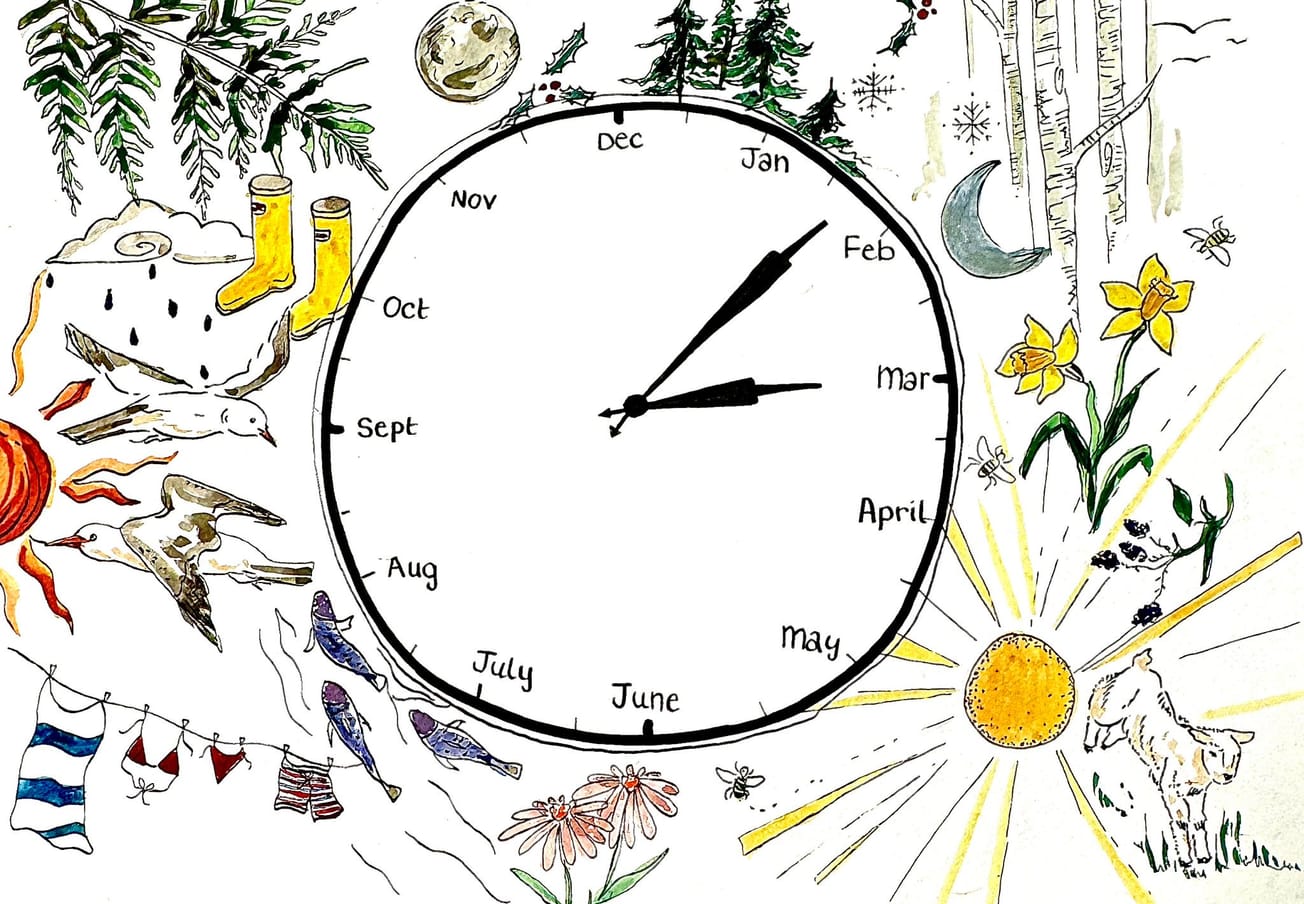
Featured image: Epigram / Fizz Austin
Do you think pathetic fallacy is real?