By Silvie Baker, Second Year English
For many, the city presents itself as a hub for budding artists and bands hoping to propel themselves into what is widely considered a receptive and vibrant musical community. But where does Bristol’s scene stand today, and how did we get here?
What is the Bristol sound?
Upon hearing the expression ‘the Bristol sound’ many anticipate ‘trip-hop’, an experimental subgenre dubbed in Bristol, but can we constrict this ‘sound’ to a single thing?
The trip-hop genre was first defined by Mixmag in 1994, with Massive Attack the first manifestation of the term. From Bristol and formed in 1988, Massive Attack would go on to take Bristol by storm with their debut album Blue Lines, jumpstarting this musical phenomenon.
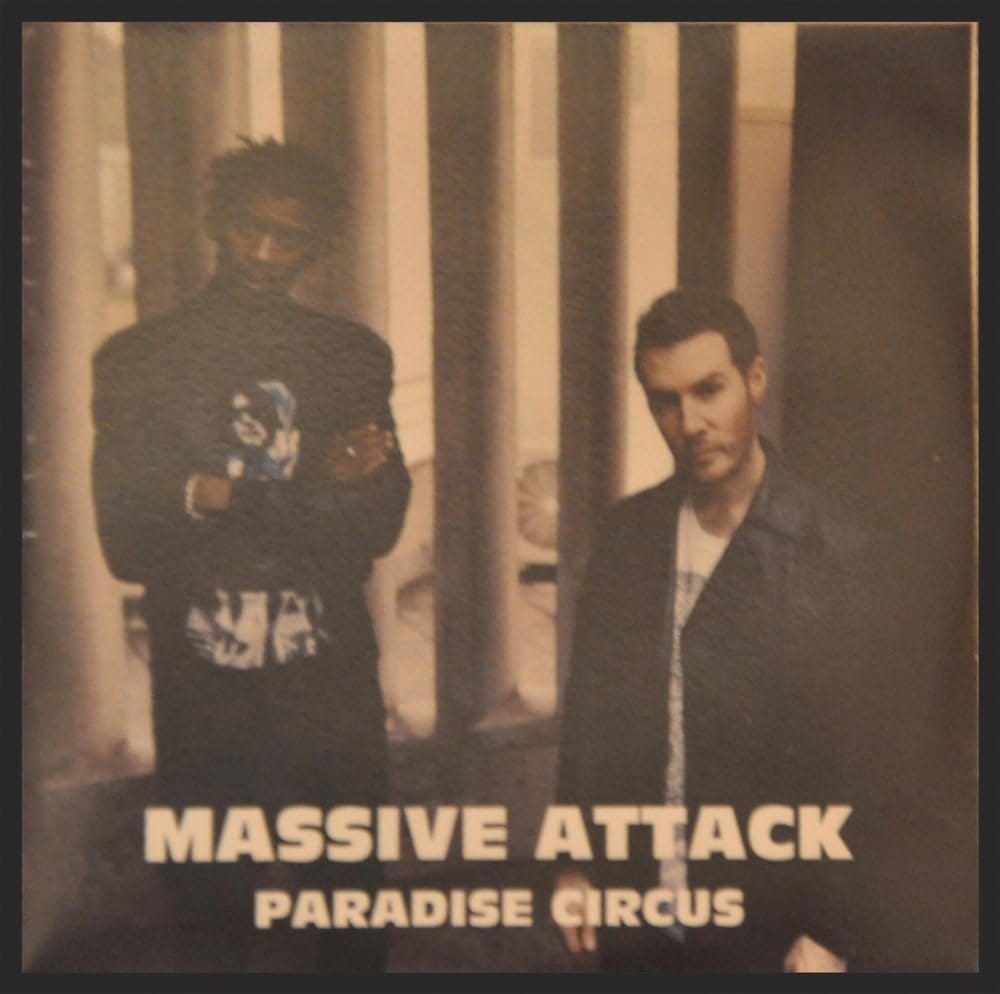
Their fusion of dub and reggae, hip-hop and electronica defies strict categorisation – proving the malleability of the term ‘Bristol sound’. Despite the broad definition of trip-hop, everyone had a different way of execution.
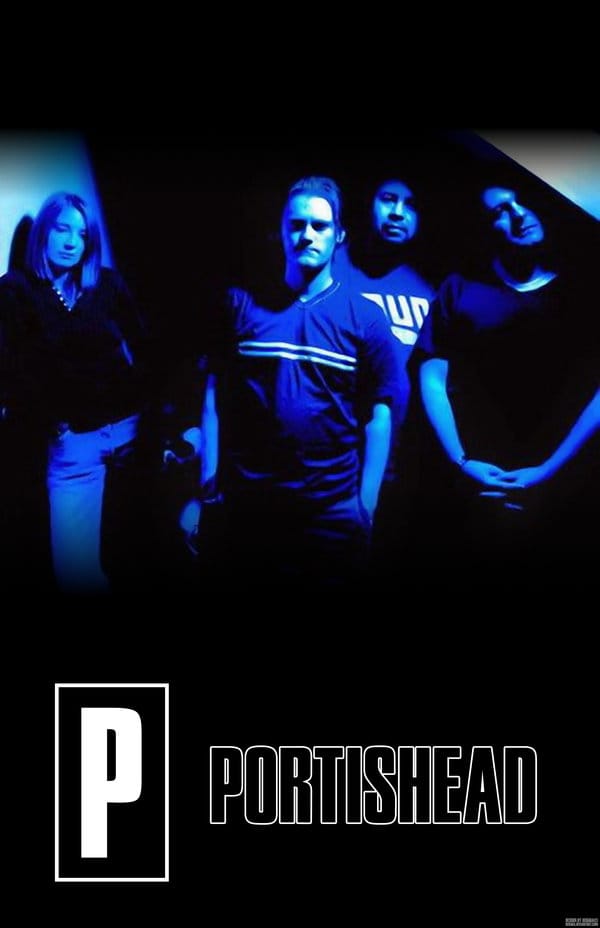
Another incredible band that thrived under the label were Portishead: they formed in 1991 in Bristol, only 8 miles away from the eponymous coastal town. Up came a more haunting rendition of the genre, permeated by Beth Gibbons’ powerful and emotive vocals.
Still an amalgamation of genres, Portishead brought an orchestral dimension to the world of trip-hop, with their music often being described as that of a film noir. Portishead’s utilisation of vinyl scratches and a signature atmospheric reverb are only a couple of the things that shaped their debut album Dummy (1994) into the magnum opus it is today.
Sampling Isaac Hayes’ ‘Ike’s Rap II’ in their hit ‘Glory Box’ brought an element of soul into the scene. Coincidentally, and correlating with the trip-hop scene, Tricky sampled this exact song just a year after Portishead in his own song, ‘Hell is Around the Corner’.
The range between the two is indicative of just how expansive Bristol’s music scene is, even if typically labelled under a single subgenre.
If there were any particular major contributions that launched this movement, it can likely be assigned to the cultural influence of the Windrush Generation. The large influx of Caribbean migrants arriving in the UK from 1948 onwards played a pivotal role in shaping the identity of Bristol, channelled specifically through the music scene and the anti-establishment roots of trip-hop.
Revolutionary music
Trip-hop was birthed from the Bristol underground scene in the late 80s and early 90s, where rave culture was unavoidable. Music was being borrowed from the reggae and hip-hop scene, while also keeping roots in the punk and post-punk scene. People had sought a community and found it - a place where there could be pacifism in a time of social conflict.
Robert Del Naja from Massive Attack has noted that this period in particular was ‘a very fertile time for music’, ‘from punk in ’77 to hip-hop in ’81.’ Rave culture had propelled this – unlicensed parties and raves in abandoned warehouses marked a spirit of resistance and thus a revolutionary era for Bristol’s music scene.
In Stokes Croft stands Banksy’s 1999 ‘Mild Mild West’ – a direct response to Bristol’s rave culture. The mural depicts a teddy bear throwing a Molotov cocktail at the riot police following a police raid on New Years Eve of 1997.
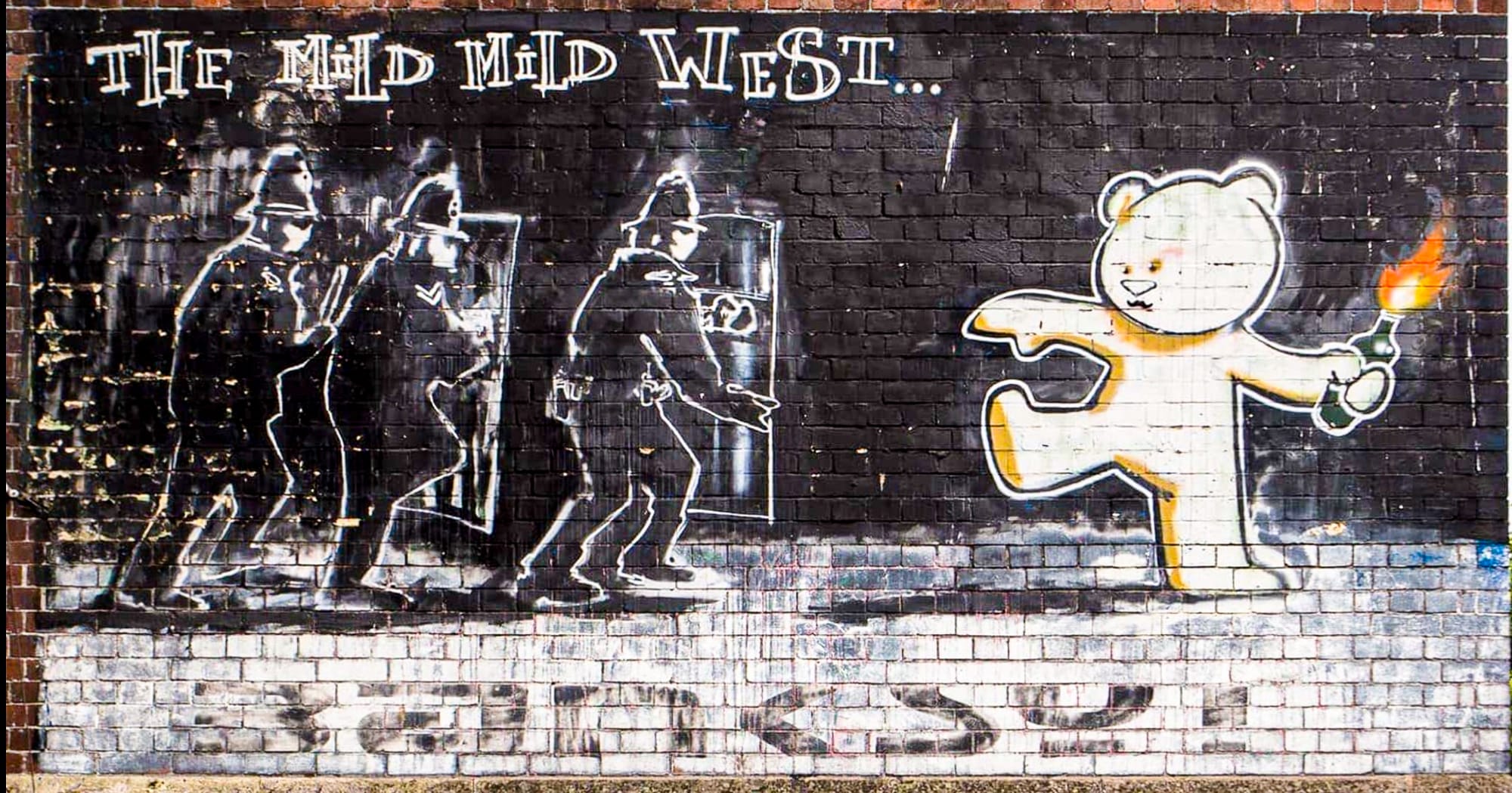
A satirical play on the Wild Wild West, there is an implied underestimation of the Bristol identity that is more resistant than expected. Again, the cartoonish teddy bear holding the Molotov cocktail is a contradiction in itself. Revolution is undeniably entwined with Bristol’s musical history.
Where are we now?
Bristol is still widely noted as a musical city despite a lot of our favourite venues being closed down, such as Motion.
 Amelie Peters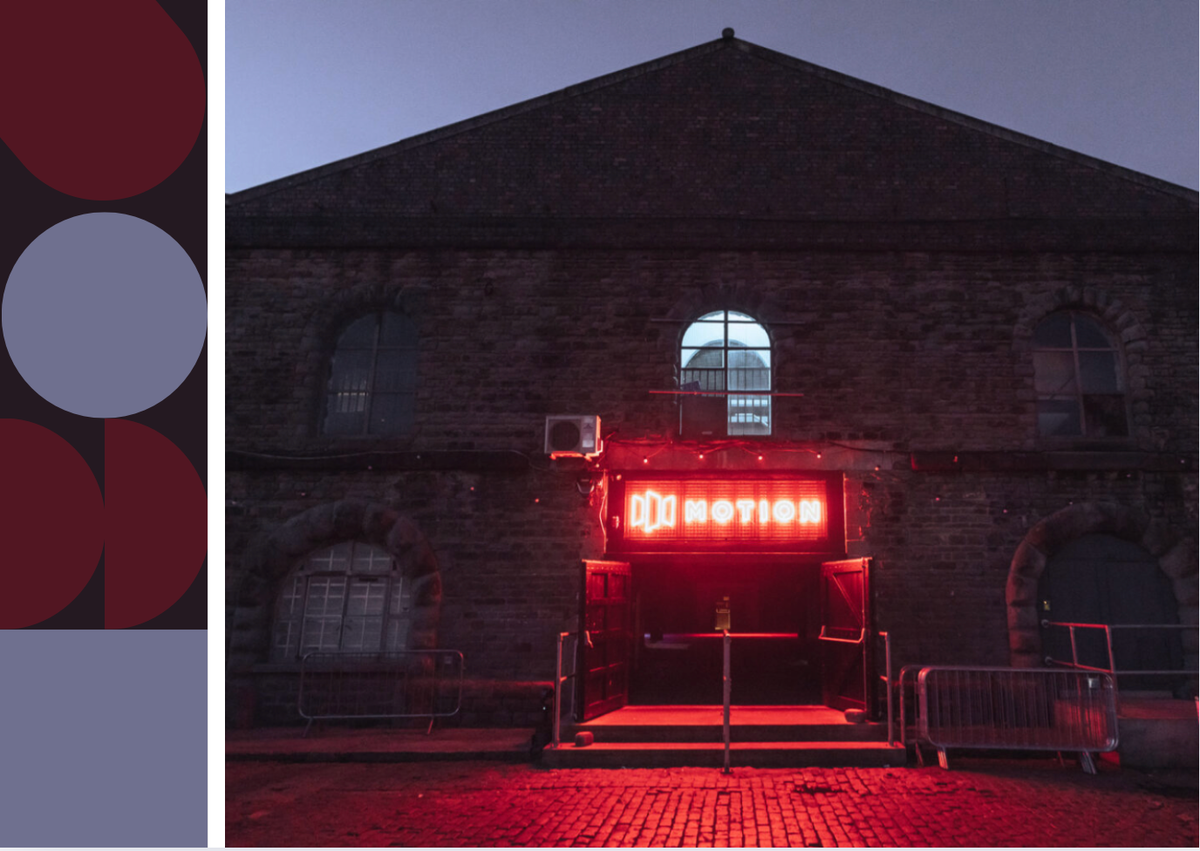
Many in the trip-hop scene have noted one club to be the ‘spiritual home of Bristol’s music scene’. This club, ‘The Dug Out’, was prevalent in shaping music in Bristol since the 60s, although was sadly closed in the late 80s.
Can we keep up Bristol’s musical legacy? Venues such as Mr Wolfs on St Nicholas Street hold open mic nights every week for new budding artists to perform and share their music. The Lanes often have free gigs, and other venues are regularly available on the DICE app – an essential if you love gigs.
Essential listening
A few albums/songs mentioned or simply recommended by me to immerse yourself in Bristol’s music history.
Portishead – 'Revenge Of The Number' (Numb, 1994)
Nearly God (Tricky), Björk – 'Keep Your Mouth Shut' (1996)
Massive Attack – Blue Lines (1991) - particularly track 4, 'Be Thankful for What You’ve Got'
Massive Attack – Mezzanine (1998)
Massive Attack with Hope Sandoval of Mazzy Star – 'Paradise Circus' (2010)
Portishead – Dummy (1994)
Tricky – Maxinquay (1995)
Featured Image: Britannica
What do you think 'the Bristol sound' is?