By Lola Nelson, Second Year, English
Since the announcement of a third season for Disney Plus’ Tell Me Lies, audiences everywhere have waited in anticipation for the show’s finale and the resolution of the series’ knotty character conflicts. To no surprise, the finale, which was finally released 13th of January 2026, lived up to its anticipated intensity and moments of fervour – something predictable for a show with such a name – though it seemed to take an unsettling turn.
The opening episode dove straight into the action by transporting audiences back to the show’s present day of Bree (Catherine Missal) and Evan’s (Branden Cook) engagement party in 2015. Since its beginning, this has been one of two major location settings in which the action takes place. The present permits us snippets of what our friendship group of protagonists are up to following their college experience and how it has affected them going forward. A particular example of this that struck me in the best way possible was in season two when the romantic relationship between Diana (Alicia Crowder) and Pippa (Sonia Mena) was revealed to have flourished and seemed to be the only stable relationship to have lasted. In the latest season this dynamic was explored further, though I found it difficult to fully support them, seeing as Pippa was visiting her clandestine lover whilst concurrently dating fan favourite Wrigley (Spencer House); the character providing comic relief despite having the weight of his brother’s death to carry. This was the case up until the twist of the season and a complete subversion of audience expectation.
The second series had left viewers on perhaps the most effective cliff-hanger I’d seen in a while with Stephen (Jackson White) sending an incriminating voice note of Lucy (Grace Van Patten) admitting to sleeping with Evan in 2008, whilst he and Bree were together, just minutes before she and Evan presently exchanged wedding vows. The opening of the final season exposes an even deeper flaw which unravels throughout. The season follows various interweaving secrets and disputes within the group, introducing exterior characters such as the charming Alex played by Costa D’ Angelo, who quickly became another fan favourite. His chemistry with Lucy was nothing short of intense, particularly when it came to the show’s infamously intimate moments that had me and my flatmates watching through our fingers.
One thing I am particularly interested in discussing is the darker turn this season seemed to take. Instead of the seemingly petty drama and countless falling outs followed by easy reunions, the departures from friendship take on a sense of permanence; Pippa leaves Lucy upon finding out about her betrayal of Bree, and Lucy and Stephen’s tumultuous relationship – if we can call it that – becomes the reason for her expelling from college. Before this climax, however, Lucy’s mental state begins to deteriorate. We see her essentially lose her mind, showing up to Stephen’s room at the dead of night only to realise she hadn’t meant to visit him at all, and also repeating a warning to the new girl Stephen is seeing of his cruel behaviour on two separate occasions. These moments felt sinister to me and seemed to underscore just how acutely Stephen’s treatment affected Lucy. Although it had been made obvious from the first two seasons that Stephen was in no way a nice guy, it had only seemed petty and avoidable to me, though the writers this season made sure to highlight the effects emotional abuse within relationships truly has.
The series finale ended explosively with Stephen exposing the group’s past wrongdoings at Evan and Bree’s wedding, homing in on the plot twist in which audiences find out that Bree and Wrigley are having an affair. Although morally questionable, the final smile they exchange whilst Evan is yelling at Wrigley almost brought tears to my eyes. It was difficult not to root for them after seeing the chemistry the writers accumulated within the last season. The final ending saw Lucy follow Stephen outside, leaving the ensuing carnage to join him in the car. Although frustrating, I believe it ended perfectly, with Stephen abandoning Lucy at a petrol station in the middle of nowhere. Though initially puzzled, her ringing laughter made it clear; the bond of toxic attachment between the pair had finally broken. After nights with my friends screaming at the screen in shock at Lucy’s decisions to go back to him or implore for forgiveness, she had finally recognised how ridiculous it all was. It’s easy to say with the knowledge of an audience member, but if only she’d recognised it sooner.
 Luca Woodruff
And just like that, the show I’d begun watching in first year with my flatmates on our cheap projector has come to an end. What I’ve grown to love about Tell Me Lies is its realistic moral ambiguity; not one character is morally black or white, leaving viewers with conflicting ideas and doubts about their favourites. Even Stephen occupies a space of moral greyness in which some audiences may find it in themselves able to pity him due to his familial issues. In that way, the series has always been less about choosing sides and more about confronting the uncomfortable truth that people are rarely as simple as we want them to be. As frustrating and chaotic as its characters can be, that accuracy is what made the show so compelling – and what will likely keep it lingering in viewers’ minds long after the final episode fades to black.
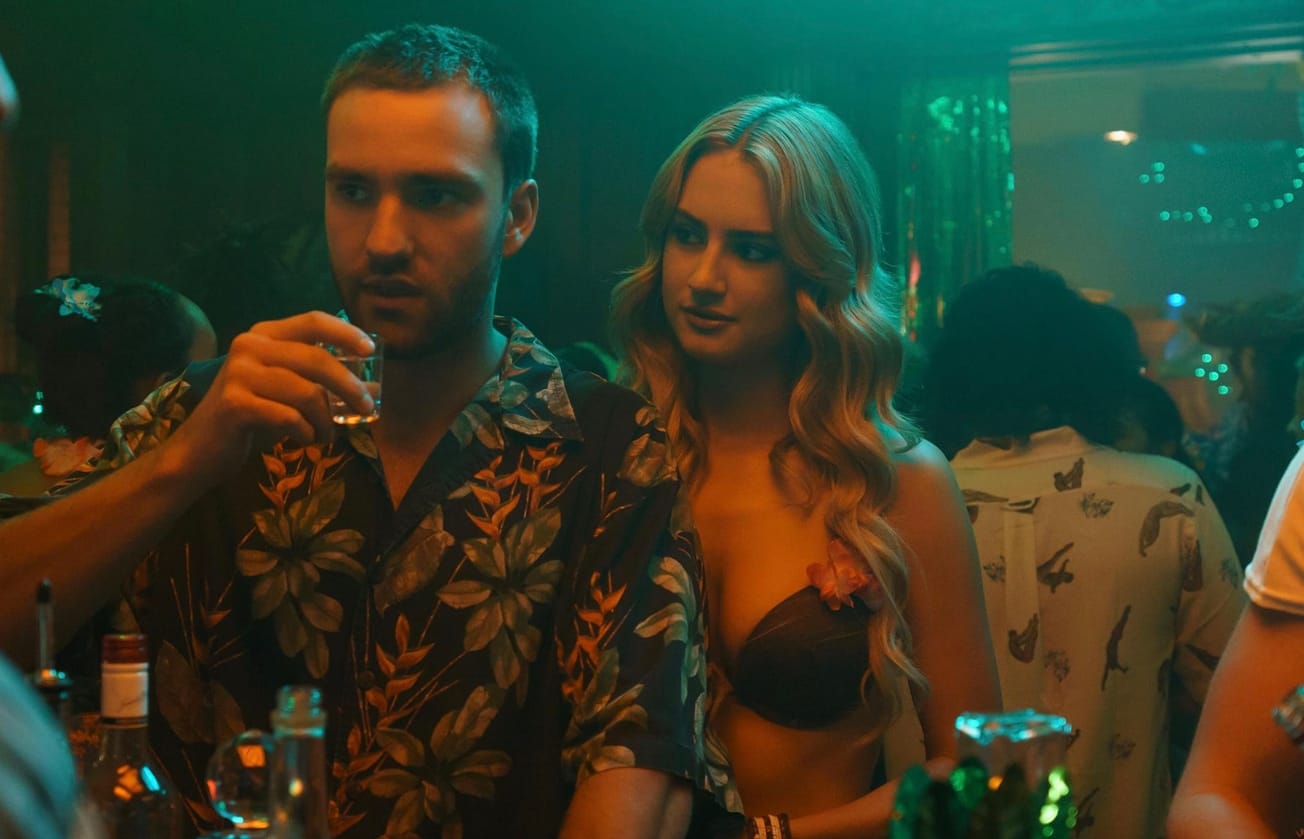
Featured Image: IMDb / Tell Me Lies
What did you think of Tell Me Lies Season 3?