By Charles Hubbard, Second Year, Theatre and Performance
To paraphrase a certain Star Wars film, somehow, James L. Brooks returned. Brooks, to my mind, the most influential studio comedy filmmaker of the last forty years, has spent fifteen years in the wilderness since his last film, How Do You Know?, became one of the most notorious financial flops of the 21st century. His tendency to let his budgets balloon way out of control and have a “you’ll get the movie when it’s done” approach to studio executives have made similar comic mavericks Nancy Meyers and Martin Brest look like downright safe choices by comparison.
And yet he’s back. Sure, with a slashed budget and a fairly limited release, but back nevertheless. And his latest film, Ella McCay, is exactly what you’d expect from a man who’s been in movie jail since the start of the Obama administration - a deeply messy, intensely sincere firecracker with such infectious energy and neuroses that it’s bound to split audiences right down the middle. That’s if anyone actually goes to see it. As a Brooks die-hard, I was on board the entire time. However, I wouldn’t blame someone for wanting to stop that particular train the moment it started to leave the station.
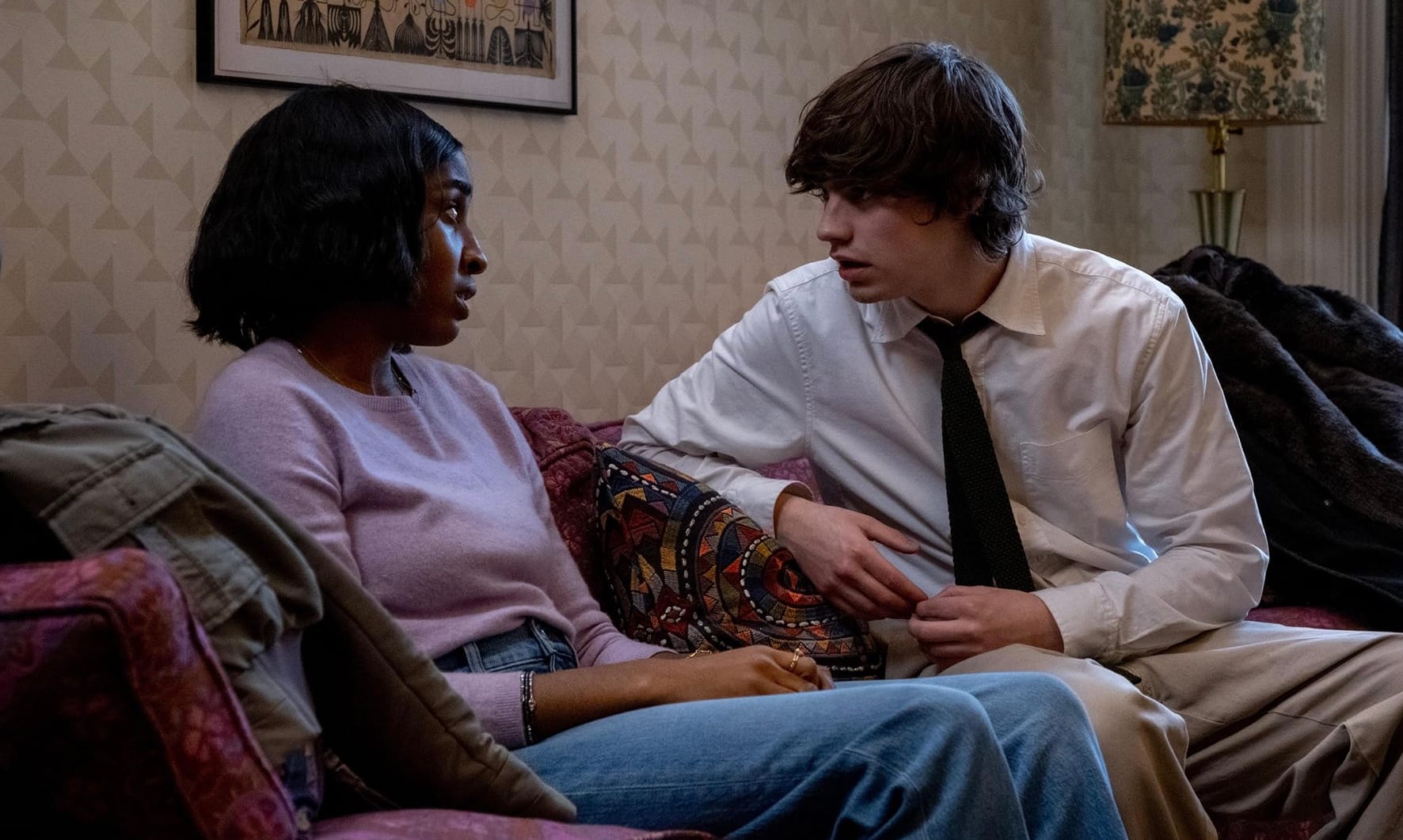
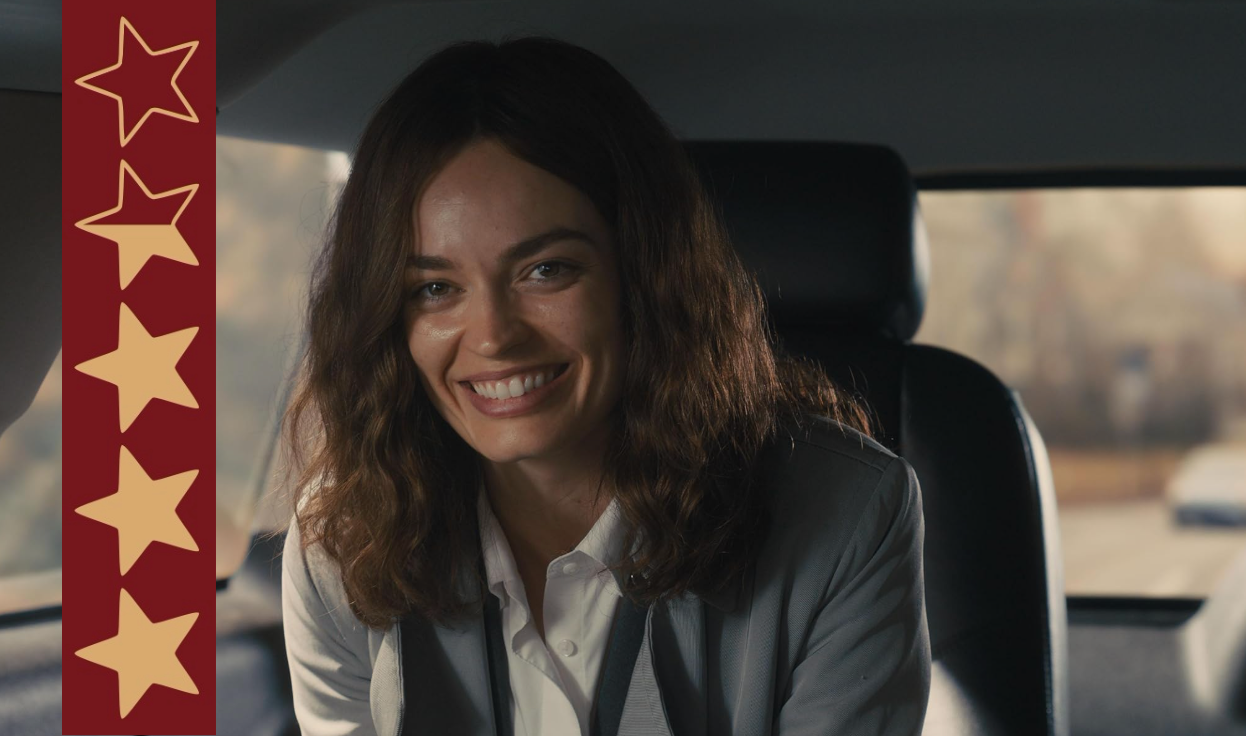
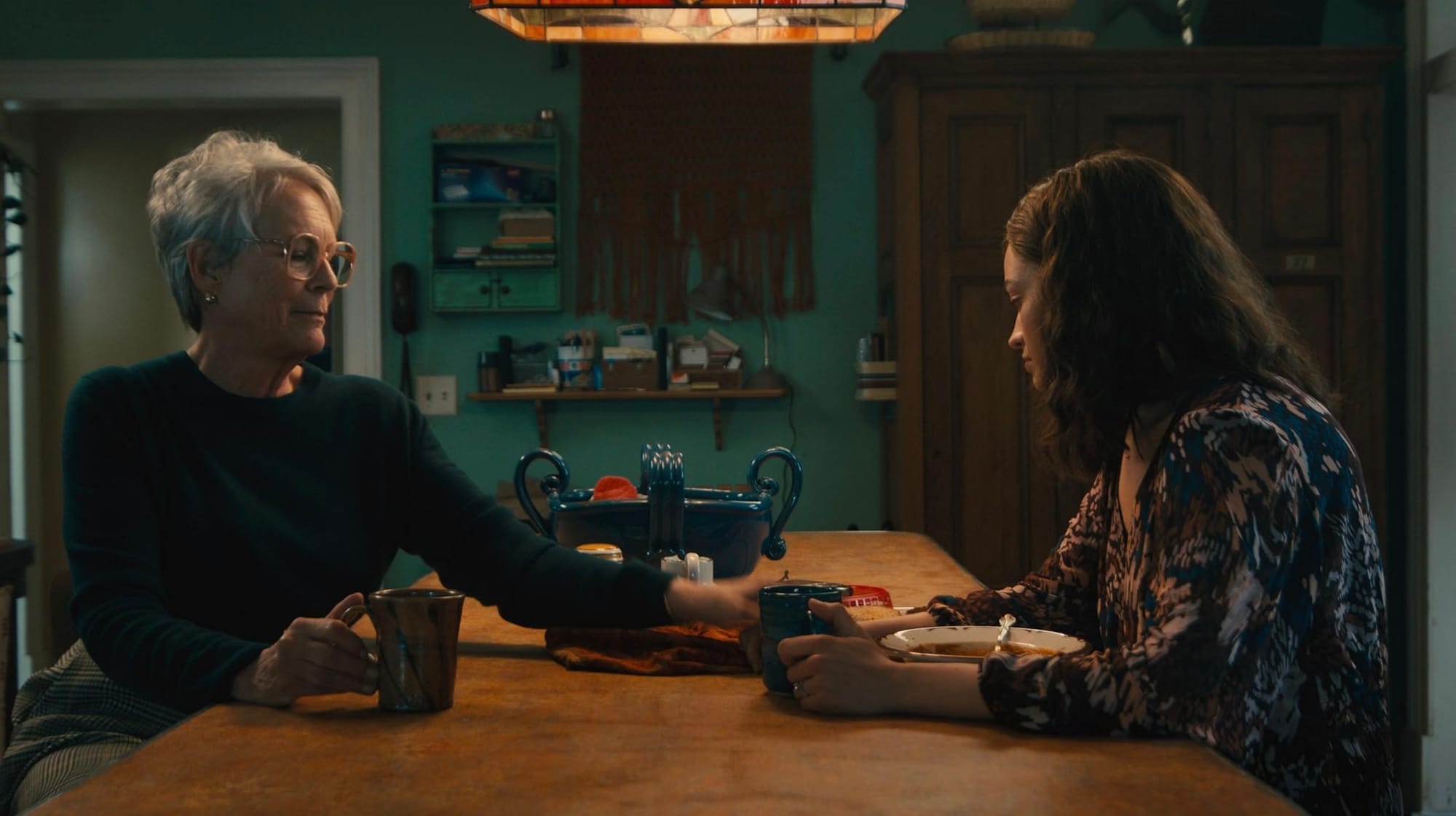
The film, which shares a name with its main character and almost its lead actress, follows the titular Ella (Emma Mackey) as she reaches a pivotal point in both her personal and professional life. Her absent, womanising father (a similarly absent Woody Harrelson) has re-entered her life, much to the chagrin of her and her rambunctious aunt (Jamie Lee Curtis swinging for the fences). She is struggling to connect with her agoraphobic brother Casey (Spike Fearn doing his best Timothée Chalamet impression) in the wake of their mother’s death. And she has just been thrust into the role of governor of an unnamed state after her boss Bill (Albert Brooks clearly pulling in a favour for his friend) gets a place on the President’s cabinet. That would be quite enough hassle for a well-adjusted, evenly balanced person. Unfortunately, Ella is a typical Brooks protagonist with the frantic, unfocused mania of Shirley MacLaine in Terms of Endearment and the unintentional prickliness of Holly Hunter in Broadcast News. The film is similarly passionate but disorganised with a comparable penchant for going way too far in certain moments. But I’d still vote for McCay - the film and the character.
The film generally feels pretty slight by Brooks’ usual standards, considering his previous comedies have the scope and runtimes of most historical epics. It predominantly takes place over the course of a long weekend (with the exception of some incredibly jarring flashbacks from Ella’s childhood) and none of the plot contrivances, abundant as they may be, ever seem that serious or consequential. The film picks up and discards plot threads at will, such as the aforementioned Harrelson as Ella’s father, giving the impression that there’s a much longer cut out there that 20th Century Fox isn’t allowing us to see. Amid all the chaos, there is an admirably strong central throughline of the roadblocks placed in front of women who choose to pursue politics. The guileness and sincerity with which Ella advocates for her favourite charities and policies often turns people away from her in a way that would never happen if those same words were coming from a man. Sure, Brooks probably isn’t quite the person to make a movie about tearing down the political patriarchy (and I’m certainly not the person to write about it) but I greatly appreciate his restraint in keeping this particular element of the film firmly in the realm of subtext rather than beating the audience over the head with a large sign labelled ‘misogyny’.
Brooks’ wholly unique, flowery style of dialogue is the make-or-break quality in all his films, as the audience is constantly made aware of how intensely written every single spoken line is. I’ve attempted to direct an excerpt from one of his scripts before (shoutout to Freshcase Refreshed 2025) and the tonal balance and performance style is just as hard to pull off as you would imagine when reading some of these zingers on the page. Sometimes, a character flying off on one of his colourful, circuitous tangents is enthralling and yet, other times, it feels like being drunkenly monologued to by the most annoying guy you meet in a bar. Fortunately Ella McCay’s balance tips more to the former but instances of the latter are still very much inclined to set your teeth right on edge. Brooks also has a consistent reputation for shooting upwards of 30 takes of each scene and encouraging the actors to wildly experiment from take to take. In Ella McCay, this leads to scenes of aggressively haphazard editing where you can tell actors’ movements aren’t even remotely lining up from shot to shot, even if you don’t consciously realise it. It barely bothered me but I couldn’t stop thinking what a nightmare this must have been for the poor editor to cut together.
 Harry Gillingham
All in all, it sure is a bit of a head-scratcher, destined to be reclaimed as a flawed masterpiece a few years down the line. I’m afraid that, for the moment, it’s destined to be a flop first. I went to a 7pm opening weekend screening and was the only person in the audience. Sorry, Brooks! Although the man created The Simpsons so I’m sure he’s doing just fine on the financial front. For now, I’m just glad that, in an age when gigantic corporate mergers are doing their level best to suppress interesting, original work (or dump them on the nearest streaming service), there’s still a place for films like Ella McCay, untameable as they may be.
Featured Image: IMDb / Felix Glanville | Illustration by Epigram / Sophia Izwan
What did you think of Ella McCay?