
By Charles Hubbard, Second Year, Theatre and Film
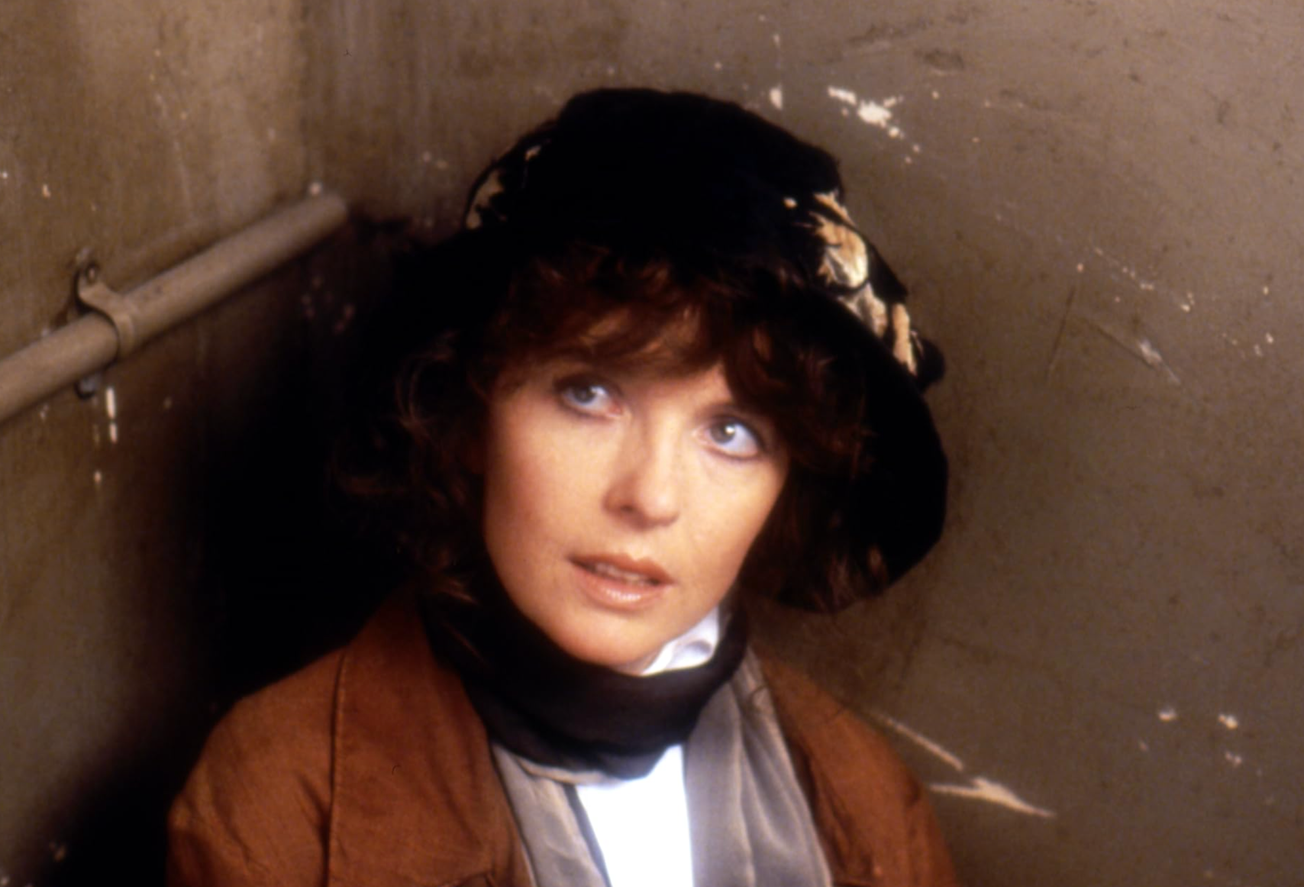
Very few Hollywood figures have ever been as distinctive yet inscrutable as Diane Keaton, who died in Los Angeles aged 79 on Saturday 11th October. Her personal sense of style and taste in clothing is more intrinsic to her reputation than most models or fashion icons. Yet her incandescent talent as a performer was never up for debate, even as her larger-than-life optics grew to eclipse any of her individual screen performances.
That said, her filmography is as undeniably impressive as any Hollywood grande dame. In fact, she defined the cinema of the 1970s more than any of her contemporaries - except maybe Faye Dunaway. This shouldn’t be surprising, considering her first major acting role was as part of the ensemble in Galt MacDermot’s immensely controversial countercultural rock musical Hair (1967), which lit the traditional Broadway musical alight and watched something far more valuable rise from its ashes. We should’ve guessed then that Keaton would undoubtedly be one to watch, even when sidelined into being a mere chorus girl.
Best remembered for her instantly iconic Academy Award-winning turn as Annie Hall in Woody Allen’s 1977 Best Picture winner of the same name, a great deal has been said about how Keaton’s own personal tastes impacted the look of her character. However, it’s often unremarked upon how directly her character was written to mirror her. Most conspicuously, her maiden name was Hall and her friends would often call her Annie or Anne for short. The parallels are right there, even without considering her longstanding relationship with Allen, who also played her love interest, Alvy.
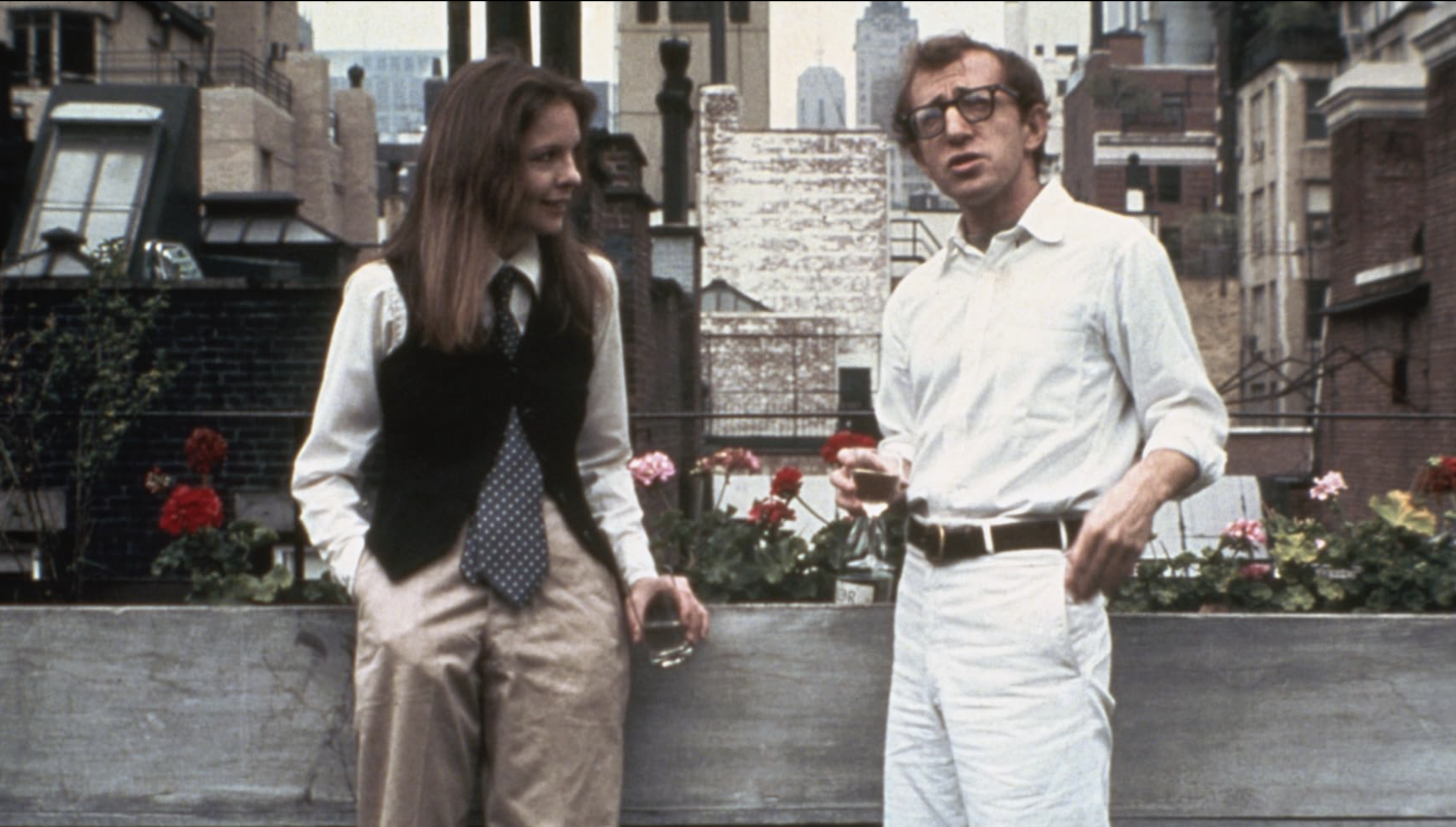
Maybe it was because of this that Keaton was able to bring a far greater degree of empathy and interiority to her character than any of Allen’s subsequent leading ladies. With her winning and irresistible portrayal of a woman who is at once both aggressively outgoing and achingly nervous, Keaton created the model that every rom-com made since would desperately try to copy but never quite replicate. By bravely skewing against how female romantic leads were usually approached - either as fast-talking sparkplugs or as empty objects to be won - Keaton formed an entirely new blueprint for the genre. She would go on to collaborate with Allen four more times, in Manhattan (1979), Radio Days (1987), Manhattan Murder Mystery (1993) and, my personal favourite, Interiors (1978), which remains Allen’s most underrated film and perhaps Keaton’s most overlooked performance.
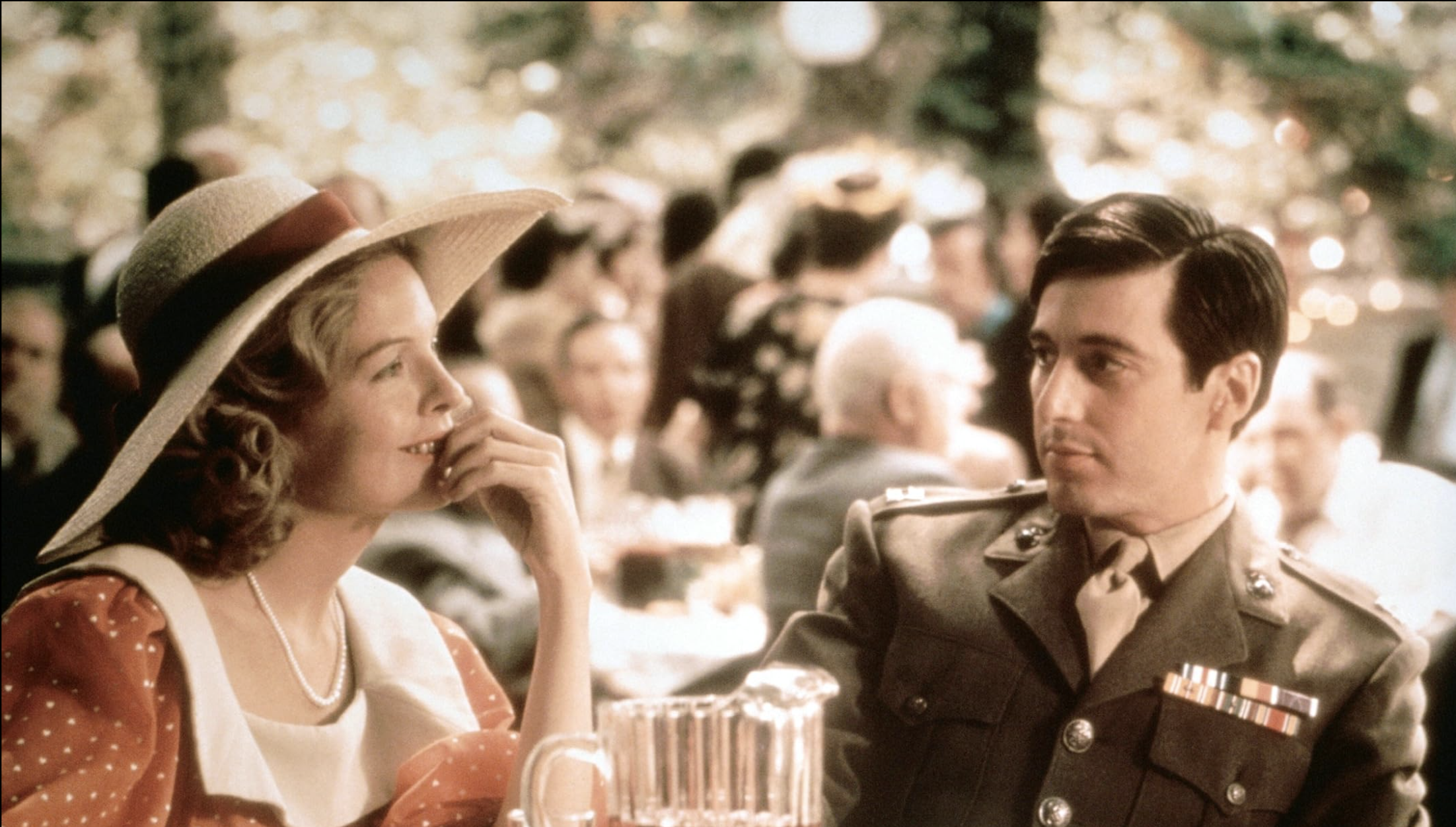
Speaking of overlooked, it is endlessly perplexing, yet indicative of her astounding resumé, that the fact that Keaton is the biggest female part in arguably the greatest American film ever made is normally shunted to the end of her bio. Her performance as Kay Adams in The Godfather (1972) was unfairly ignored at the time with critics largely dismissing her in favour of heaping praise onto the much louder, brasher work of Marlon Brando and James Caan. Yet Keaton’s performance is always the one that I appreciate most on the rewatch. After all, it is her devastated expression of realisation that forms one of the most famous final shots in film history. Her quiet, understated portrayal of a young woman coming to understand that her handsome war hero boyfriend (a smokeshow Al Pacino) might be a closet sociopath is in equal parts tragic and transfixing, outdone only by her somehow superior work in the film’s 1974 sequel.
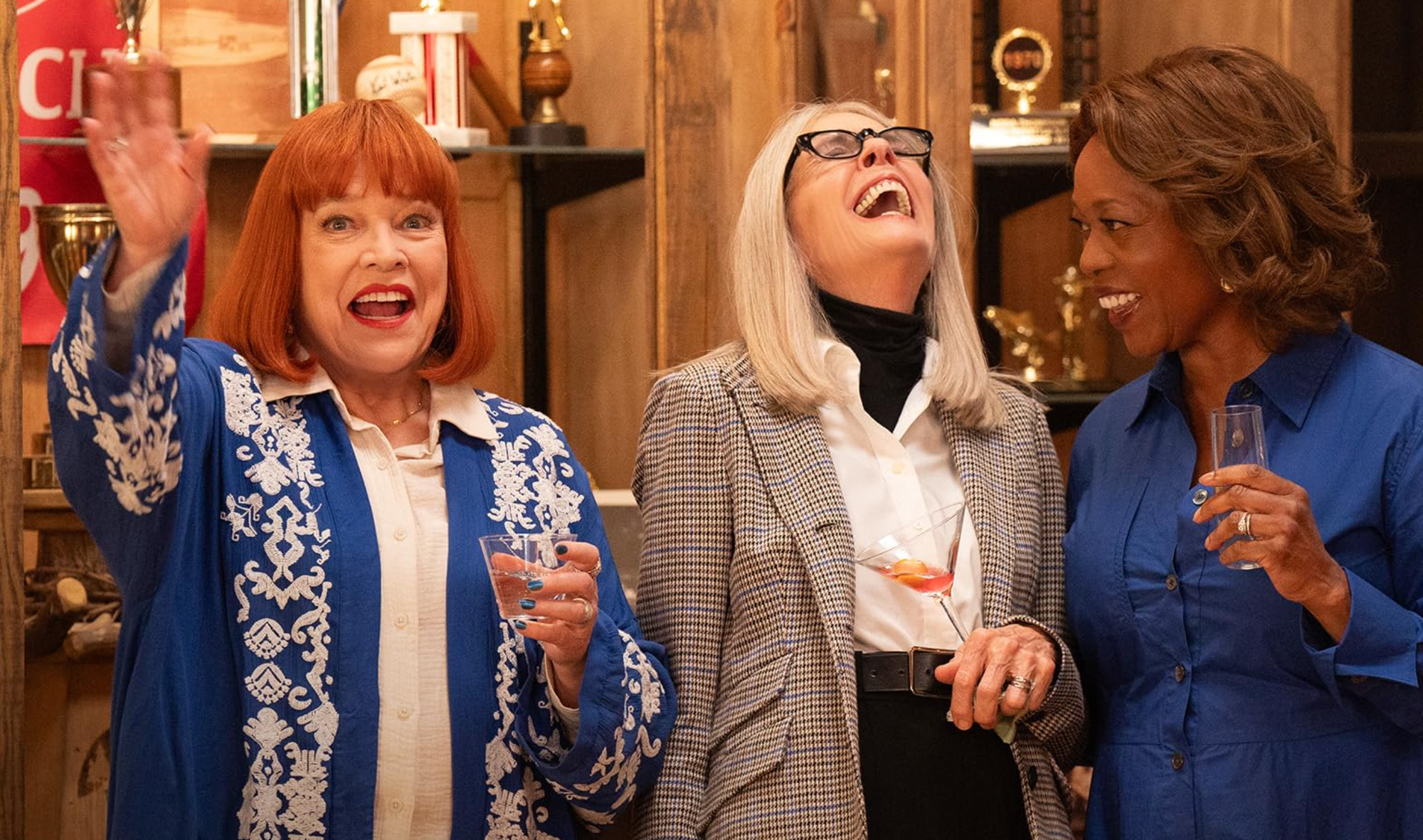
While the 70s were certainly Keaton’s heyday, she was far from a flash in the pan. She continued to have both major hits and great performances in Warren Beatty’s titanic 1981 historical epic Reds, Charles Shyer’s classic 1991 rom-com Father of the Bride and Hugh Wilson’s incredibly fun The First Wives Club (1996). Keaton continued to embrace her age rather than shy away from it. Far too talented for even Hollywood to pigeonhole into the slot of a beautiful but unsophisticated ingénue, she was one of the only actresses who was allowed major starring vehicles well into her 60s.
Most notably, she experienced a major career comeback starring alongside Jack Nicholson in Nancy Meyers’ Something’s Gotta Give (2003), often regarded as Meyers’ best film. In truth, Keaton kept working right up until the very end with her last film, Summer Camp (2024), getting a straight-to-streaming release almost exactly a year ago. While the film was largely disliked by the few critics that saw it, it was still lovely to see that Keaton had lost none of her verve. In fact, she remains the only actress (beside Meryl Streep) to receive Oscar nominations in every decade from the 1970s to the 2000s, for Annie Hall, Reds, Marvin’s Room (1996) and Something’s Gotta Give.
Keaton really did have it all. Her career was long, distinguished and full of bright spots without ever having to relent to the demands of others. Every major Hollywood actress who has successfully stood her ground and refused to be crushed or pushed about by slovenly Tinseltown pigs since Keaton blazed a trail with Annie Hall owes it to her. It was Keaton who proved it could be done and that, once in a while, an actress would be rewarded for going her own way.
Featured Image: IMDb
Do you recognise Keaton as one of ‘New Hollywood's’ greats?

)