House of Guinness gained quite a bit of traction anticipating its release due to its director, Steven Knight (famously known for the gritty Peaky Blinders) but also because the popular beer in the title sparked an intrigue. How does the action-packed series weigh up in the world of historical dramas that are getting pumped out at the moment?
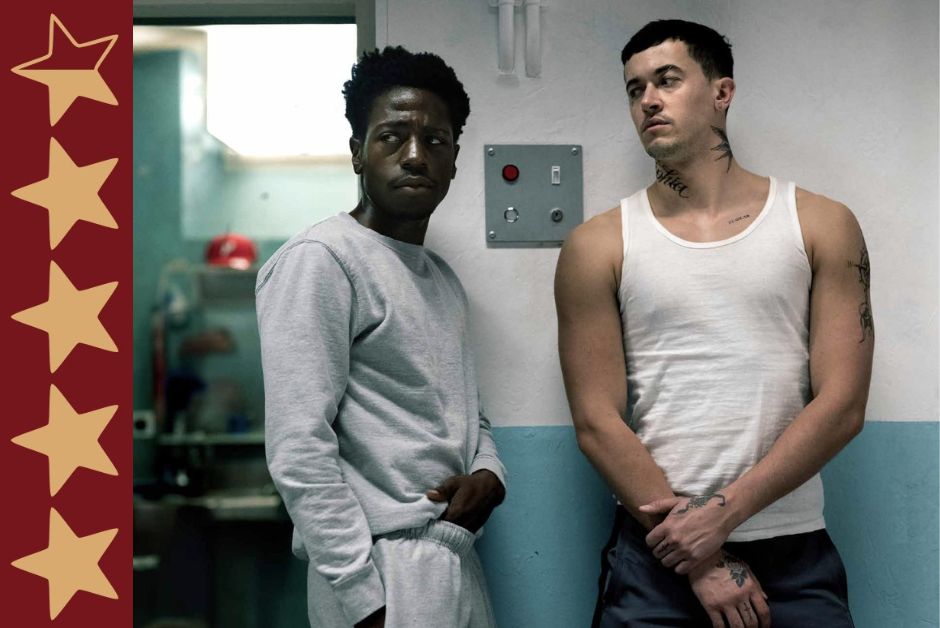
Set in the 19th century and following the death of Sir Benjamin Lee Guinness, his four children tussle with their inheritance (some more than others) as they are thrown into ownership of the Guinness Brewery. There are some well-known faces within the cast but some fairly fresh talent that are bound to be on our scenes more in the coming years - I'm looking at you, Niamh McCormack.
The narrative itself is cohesive, its not particularly challenging to follow despite its historical basis. The main strings of the story are often mentioned and explored in different ways to make sure the viewer doesn't sway too far off track. The writing is quite intentional in the way they either directly talk about an issue and its contexts rather than making you research it yourself; using on screen prompts cleverly when discussing money alongside its modern-day value. It keeps your attention to the story and allows you to not be weighed down with semantics.
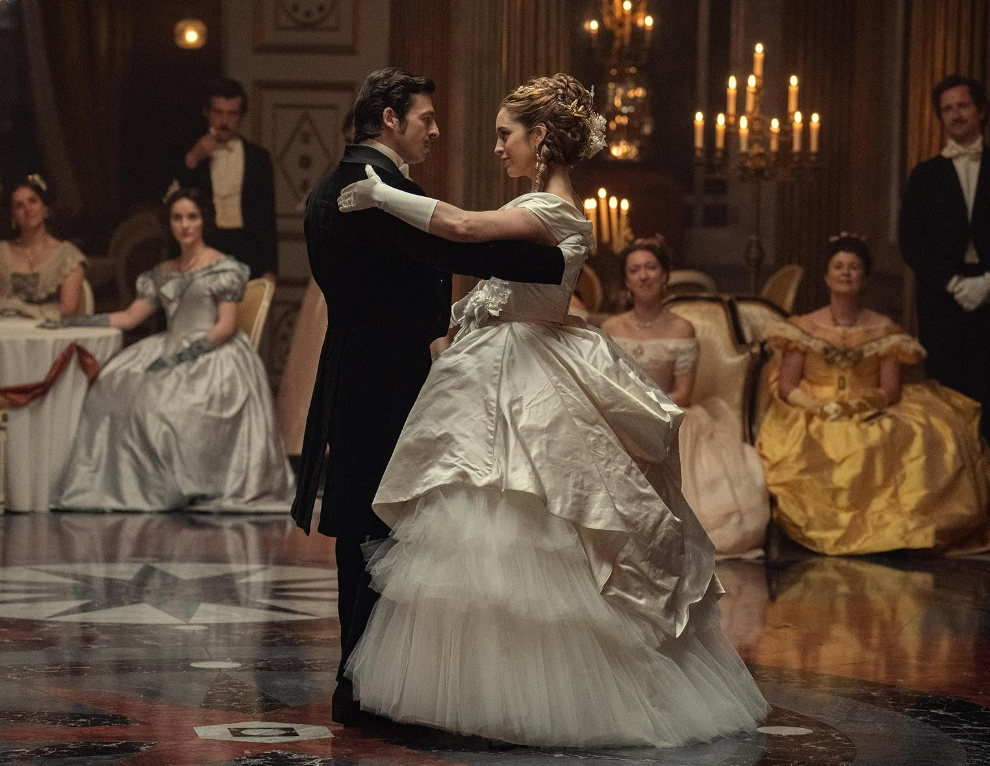
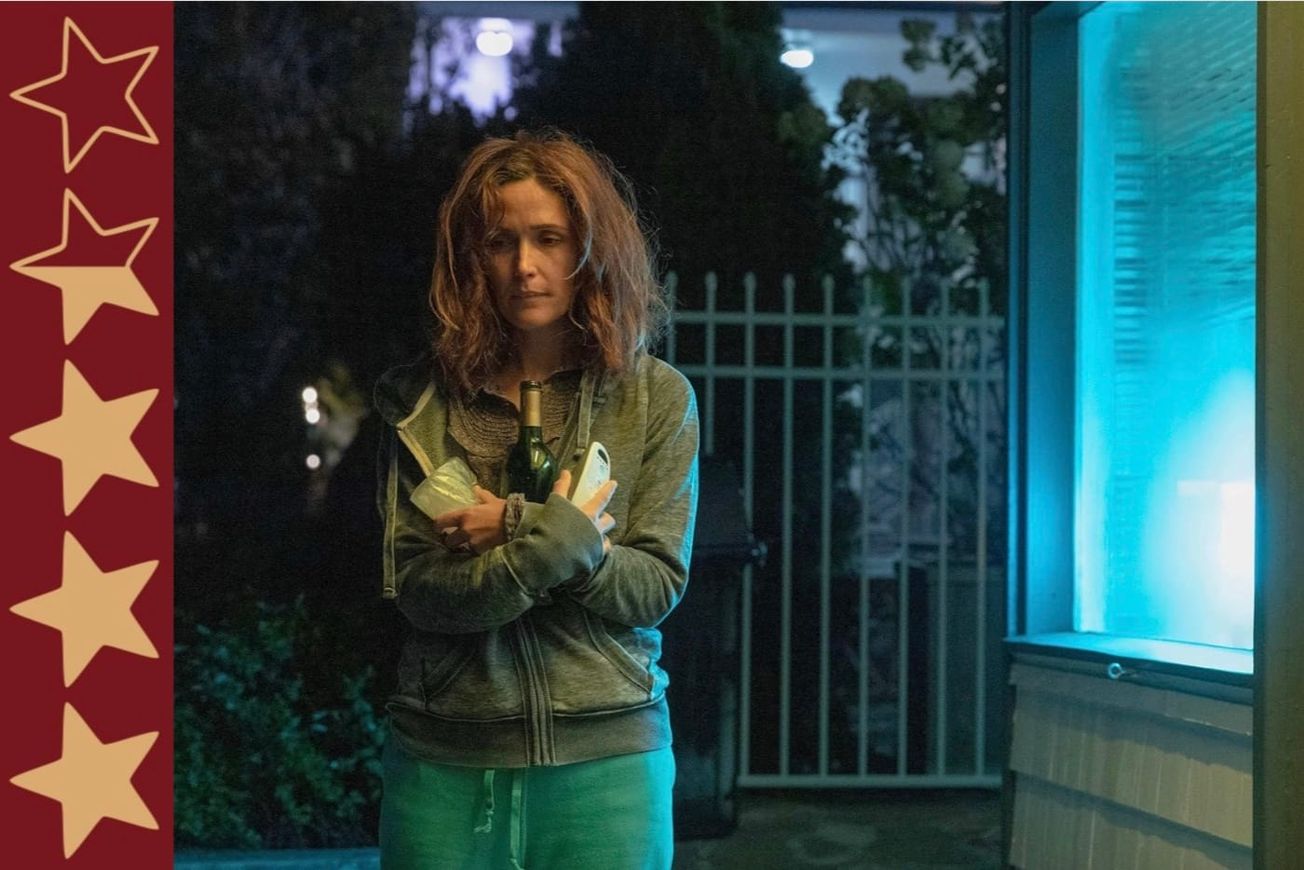
As expected, the show slowly drops siblings out of the main narrative, as they would feel underdeveloped if they attempted to cover them all. It does mean there are many questions left about Anne's plans, you see some of the progress she supposedly incites but a lot of her dialogue shoehorns her into being the matchmaker for her brothers. Disappointing, as there were so many avenues I feel like could have been explored with her character: her forced marriage; her miscarriage; her dalliance with Rafferty and position in the family as the glue that holds the siblings together.
Similarly, Ben is largely forgotten within the narrative other than large events where you get updates on his drinking problem. He is sadly written to be the motif of the troubled sibling, to balance out the vices of Arthur and Edward.
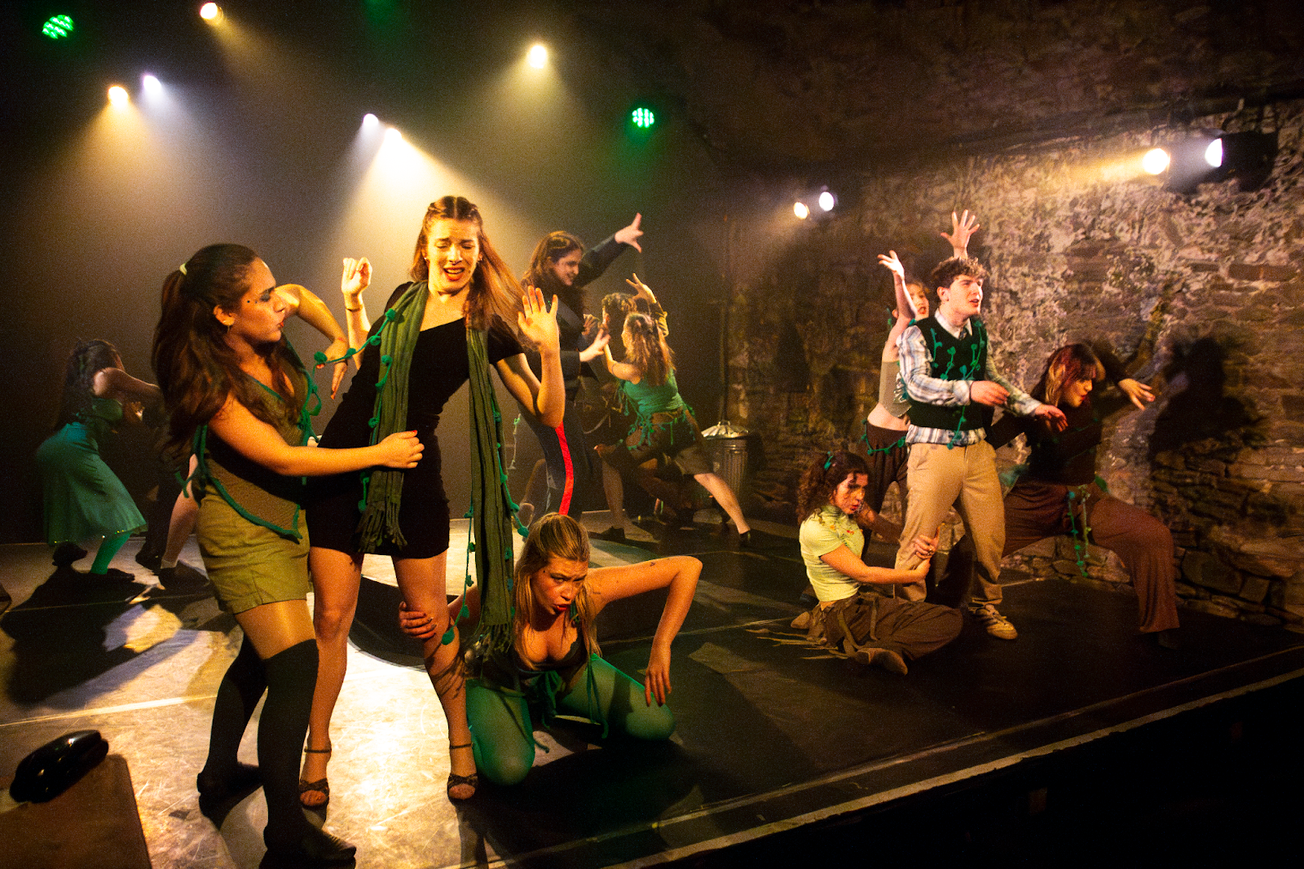
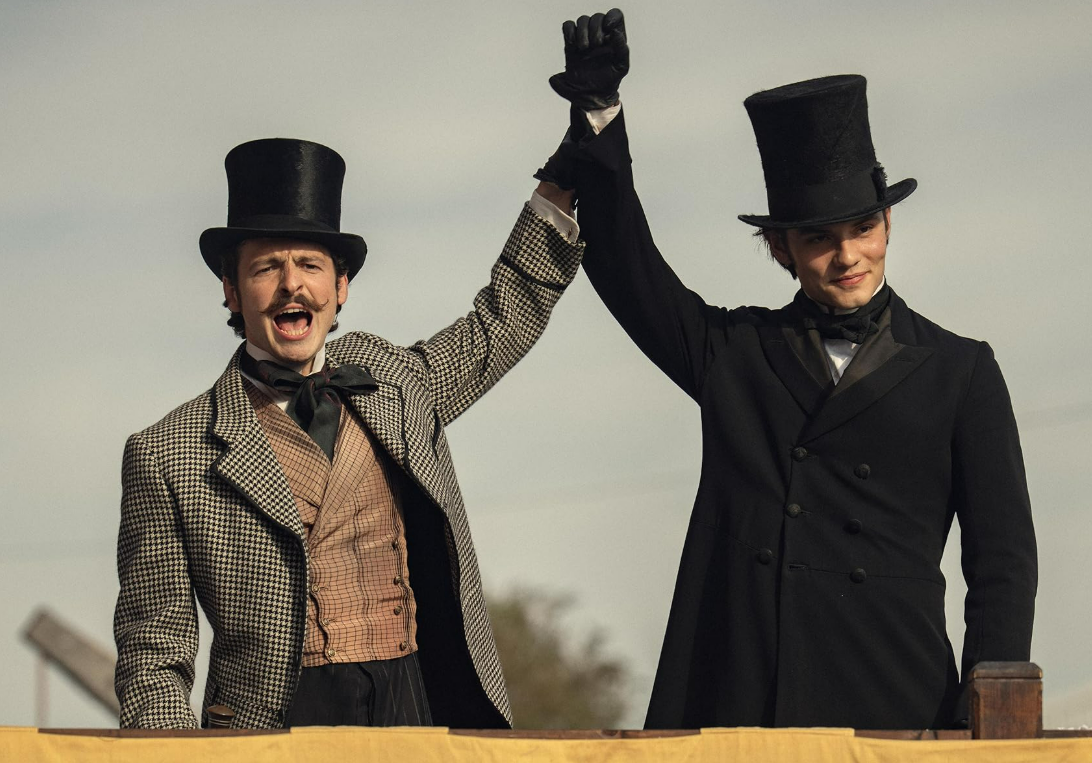
The family dynamic as a whole is pleasing, they all deal with varying troubles but they always return together as a strong family unit. The ending sequence highlights this as they all stand on the elevated platform as the House of Guinness during Arthur's election. Despite the risk to all of their safeties, they choose to be with him in this pivotal moment. This moment is well structured in its formation, as throughout the series they have shown the highs and lows of growing and adapting to new circumstances with your siblings tied to your every move. From the tense sequence after the will reading, as all of their prior arrangements have been anticipated and subsequently foiled by their scheming father, to the endearing teasing between Arthur and Edward after they confess their actions at the hand of desire - the bond between the siblings feels natural. The actors are incredibly talented; their portrayal of each subsequent sibling in the world the writers created feels genuine and is satisfying to watch.
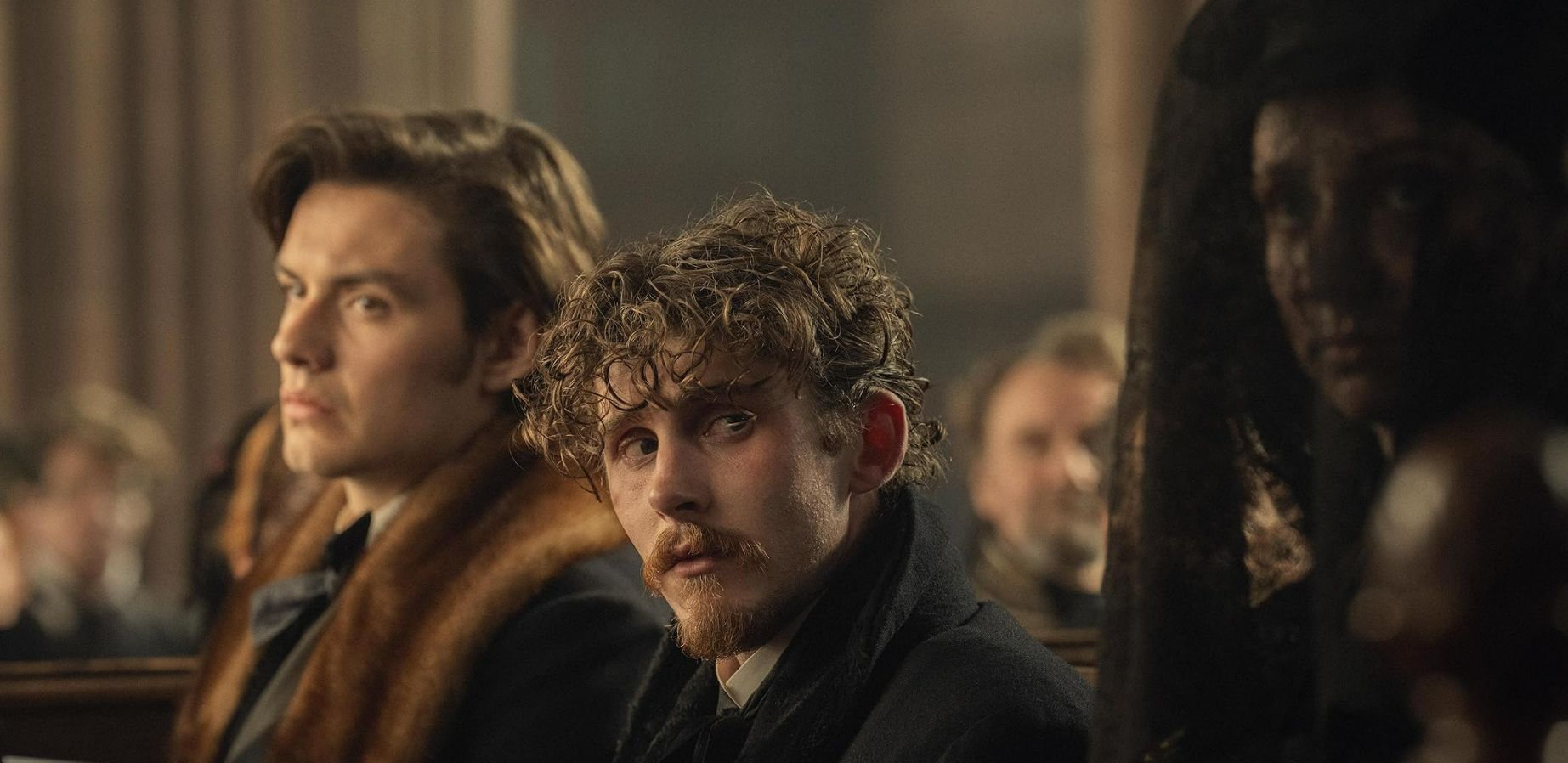
There has been some contention in the portrayal of certain characters, but due to the loose historical basis the series declares I think they are at creative liberty to make these decisions. Arthur's sexuality is perhaps a large jump from the childless marriage that is known of his relationship, but an interesting exploration, allowing for some intriguing conversations and dramatic scenes. Would it really be a drama series if there wasn't a daring chase across the city?
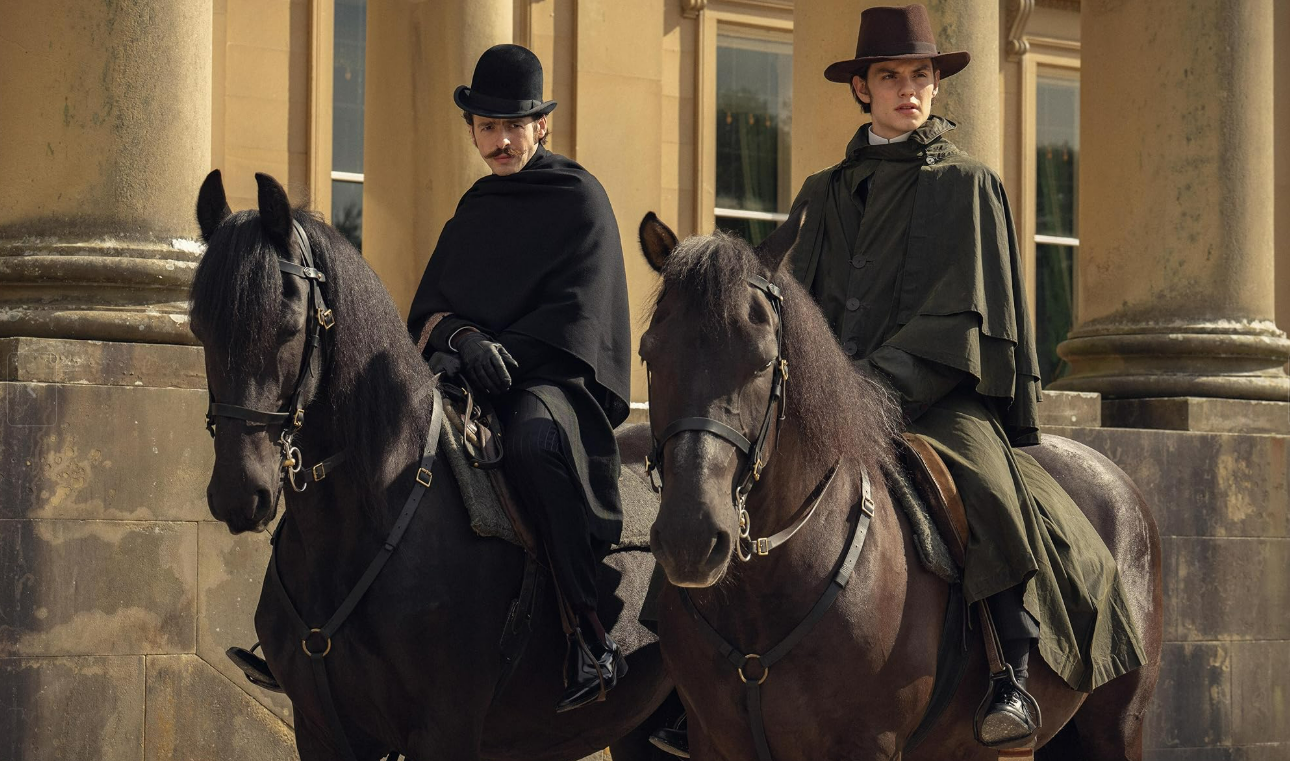
The editing and colour grading of the show is delectable. The sepia tones in the first episode, which progressively get darker, fits the standard of what I expected of something set in that period. With the consistent references to the smog coming off of the brewery it is immersive too. Whereas the music choices are a little more inconsistent, it modernises the series in a way that felt a bit disconnected and jarring in places. I really enjoyed the use of Kneecap's music but the scene they chose to accompany it was ironic, which perhaps was the intention. As the gang that support the Guinnesses, inherently Unionists, beat the daylight out of the Fenians who's motivation is a free and independent Ireland to 'Get Your Brits Out' certainly left an impression.
The series is enjoyable as a whole, it is captivatingly modern but still maintains its historical roots. And I encourage you to give it a go, but approach with caution: it may make you want to drink Guinness even if you could barely stomach one before. Speaking from experience.
Have you managed to watch House of Guinness?