By Orla Ruane, English Literature, Second Year
The controversy surrounding the Glastonbury festival this year was unavoidable. During the buildup towards the weekend, many questioned the presence of Kneecap, with Keir Starmer condemning their slot on the lineup, stating that their performance was ‘not appropriate.’ Due to a member of the group being charged with a terrorism offence, having allegedly displayed a Hezbollah flag at a gig last year, the anxiety surrounding Kneecap’s performance led the BBC to decide not to broadcast the event live.
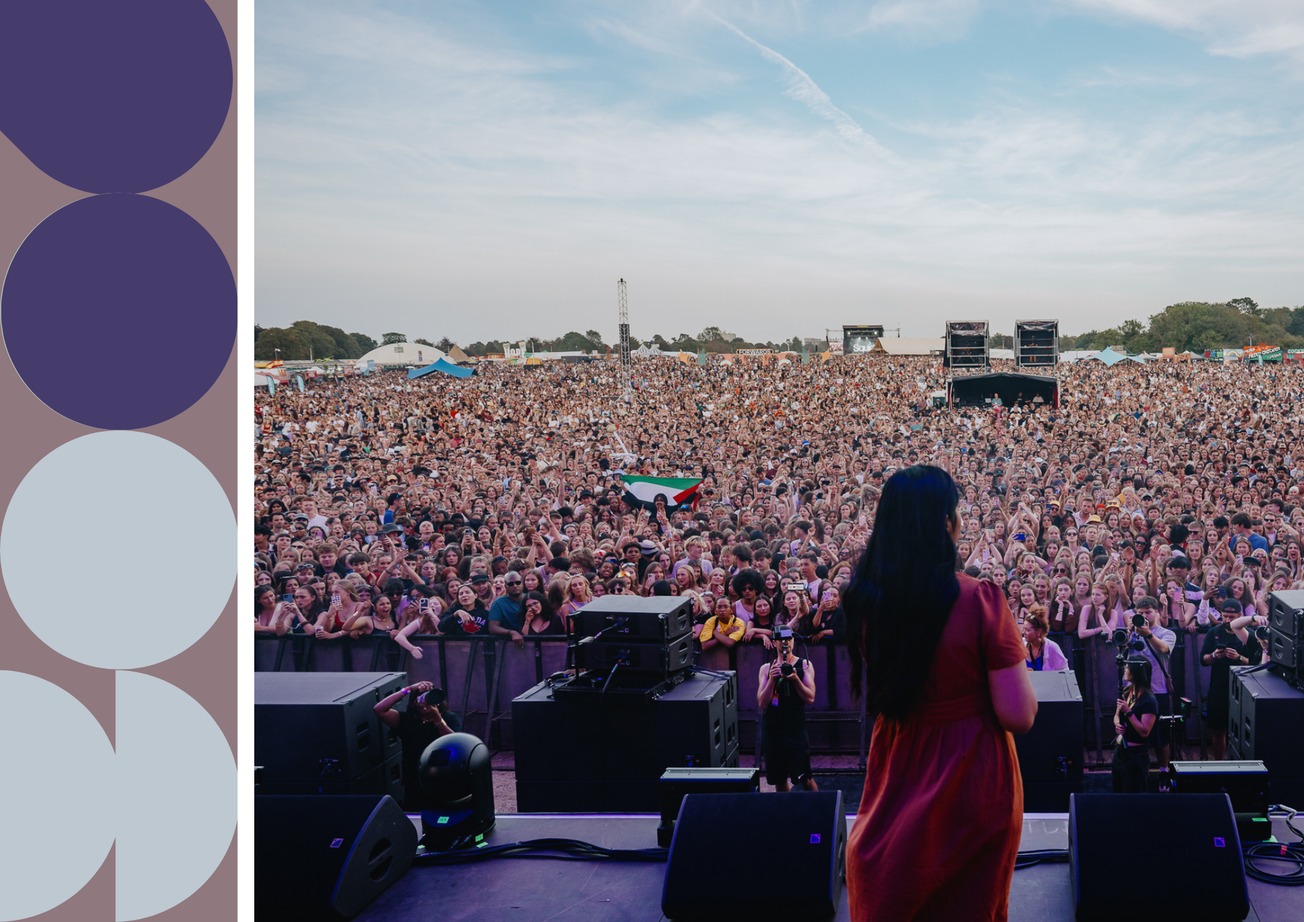
I was at Glastonbury this year, and it felt like the controversy surrounding the act increased the appeal of people heading to the stage. The big crowds meant that the stage was closed after maximum capacity nearly an hour before the group’s performance began.
What ensued during this time was a live broadcast of the group Bob Vylan, including antisemitic chants of ‘death to the IDF’, leading to outrage. With the group having their US visas revoked, they issued a statement claiming they were ‘being targeted for speaking up.’ Just weeks after a police investigation was launched, Bob Vylan announced a surprise set at Thekla on Friday, 11 July.
The question of whether activism has a place in music is a topic of debate. It is possible to criticise the policies and actions of the state of Israel without being hateful towards Jewish people; however, this was not the case with Bob Vylan’s set.
It is important to speak out, yet doing so in a way that directly harms a religious group is counterproductive and does not directly combat the issue in Israel’s governance. On the other hand, silence concerning genocide is even more dangerous. Ignorance of the atrocities taking place means that the UK government will continue to license military exports to Israel, with £500 million worth of exports being licensed since 2015.
The importance of activism within music is illustrated best in the life of Sinéad O’Connor. Her speaking out about sexual abuse within the Catholic Church often led to major backlash; public opinion later shifted in her favour as the true extent of abuse became publicly known.
 Alice James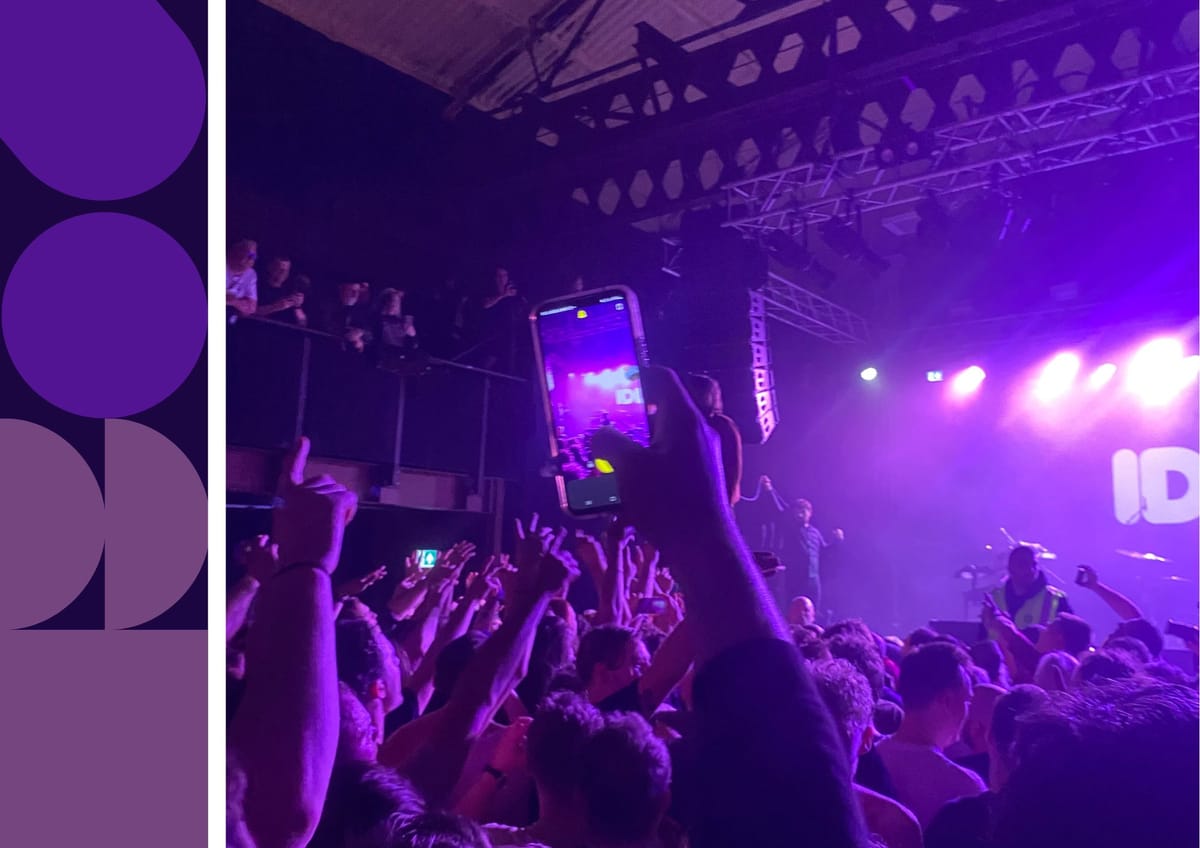
O’Connor’s most controversial act was when she tore up a photo of Pope John Paul II on Saturday Night Live in 1992 to protest child sexual abuse. Singing an a cappella cover of ‘War’ by Bob Marley and changing the final verses to criticise the sexual abuse within the church, the fallout led to O’Connor being banned from NBC for life.
Regardless of public perception, O’Connor prioritised the need to speak out about the evil that was being swept under the rug. Wishing to change the world with disregard for the consequences encapsulates the life of Sinead O’Connor. This spirit is needed to combat the political injustices of today.
However, the silencing of those speaking out is cause for concern. Politicisation within the music space was notable at the Victorious festival. During the Mary Wallopers' set, their mic was cut off due to a Palestinian flag being displayed. This prompted many artists to drop out, including pop duo Getdown Services.
The festival initially claimed that a ‘discriminatory’ chant had been the reason for the abrupt end to the performance, and later issued an apology. Responding to the drastic ending of their set, the Mary Wallopers stated that the festival had released a ‘misleading statement to the press claiming they cut our sound because of a discriminatory chant, and not the band's call to Free Palestine’. It is the silencing of those speaking out about genocide that is the biggest atrocity within the political music space.
Activism is a necessity within art. Oscar Wilde said that ‘life imitates art far more than art imitates life.’ Striving towards the end of tyranny through the politicisation of music groups calling to ‘Free Palestine’ is how our collective voice becomes unavoidable.
Bristol, as a city that prides itself on political activism, is central to the reason why Bob Vylan chose to perform here after controversy. The group is not allowed into the US, but is still able to draw a crowd in Bristol. As a city where activism is celebrated, there is a feeling that people are unwilling to compromise on their principles. Getdown Services decided to align their actions with their beliefs, choosing to boycott a festival that could have provided greater publicity. In a place where people’s moral compasses come first, the celebration of political activism within the Bristol music scene is undeniable.
Featured Image: khaliphotographyDo you think music has an obligation to be political?