By Emma Coleman, Film & TV Subeditor
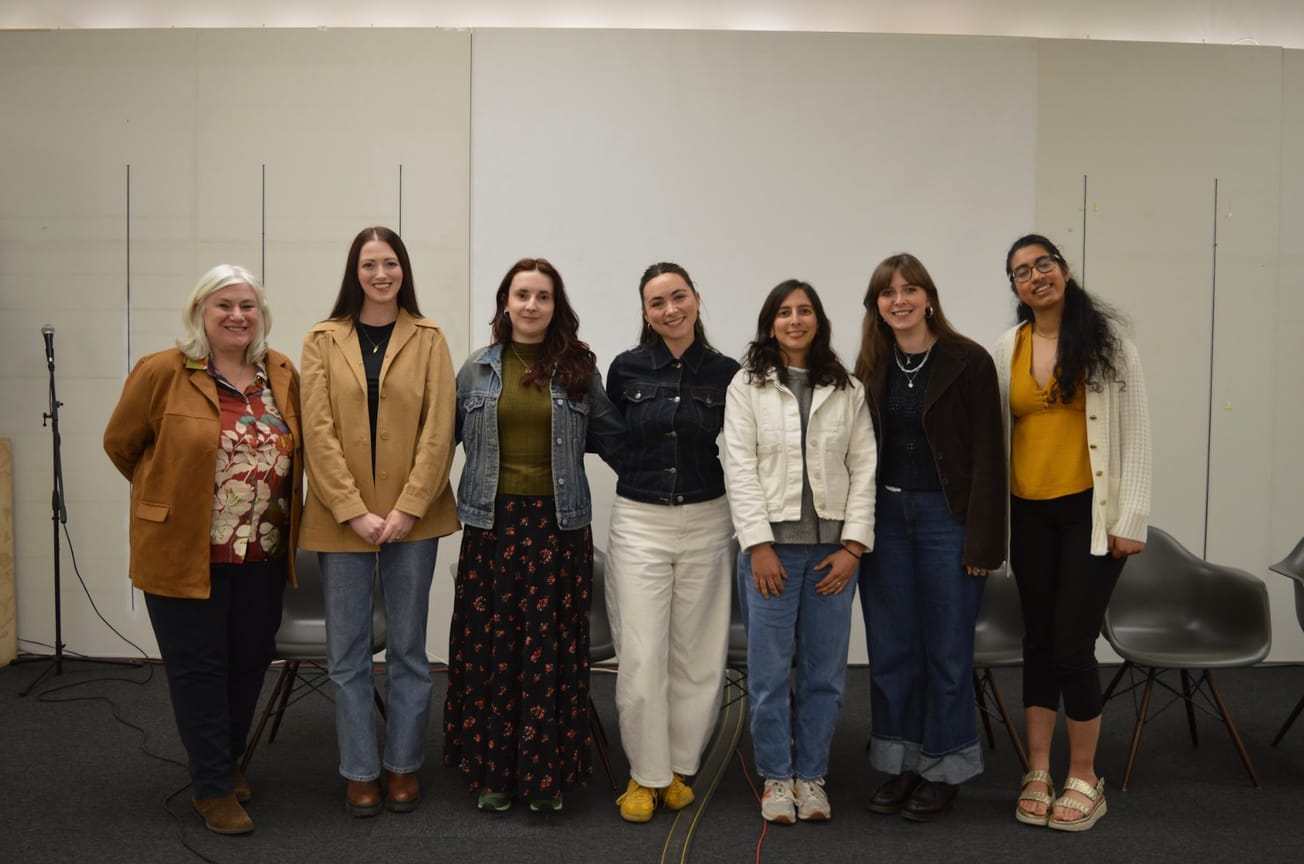
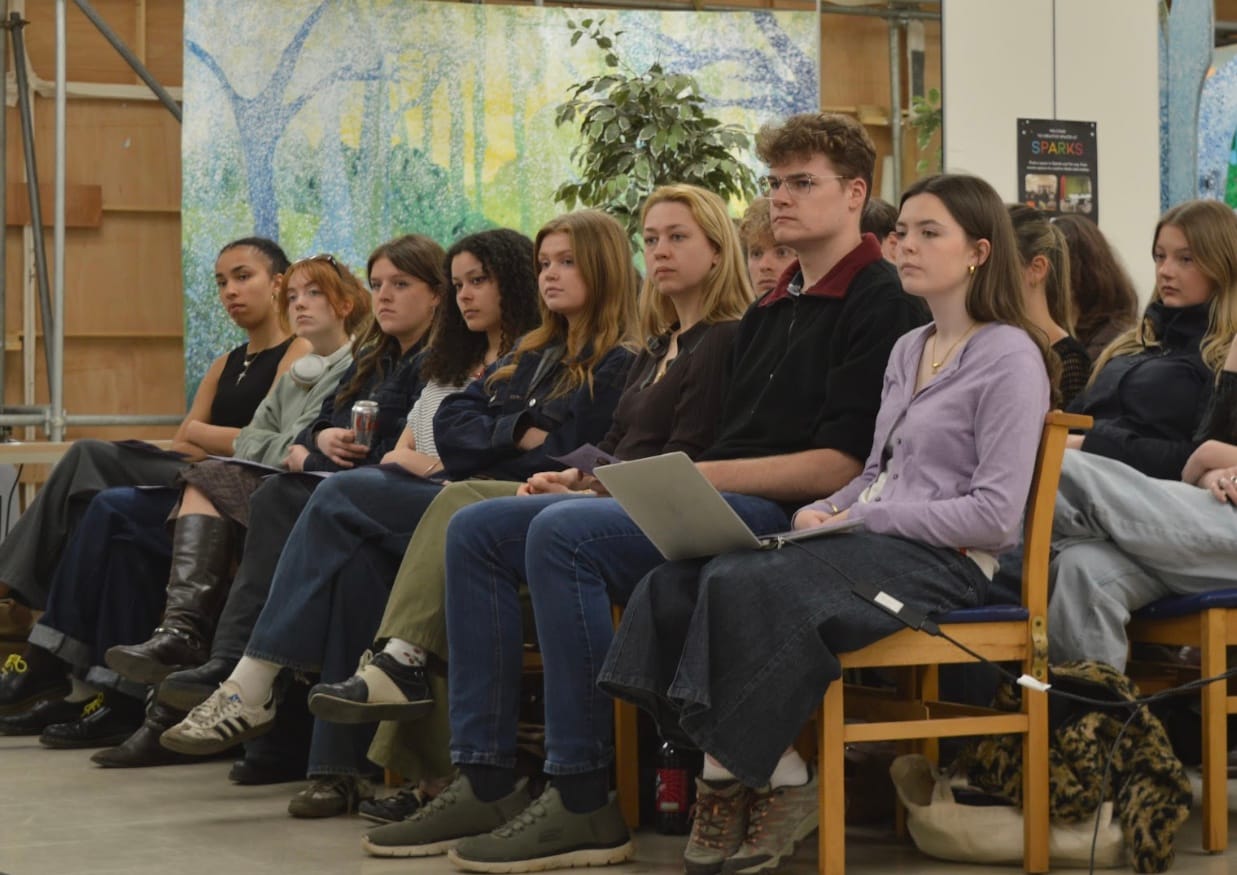
Epigram’s fourth annual Women in Media conference took place this year on the 19th of March in SPARKS. With a great turnout and an amazing lineup up of seven speakers from the media industry, ‘WiM’ returned with a bang.
We started off with this year’s keynote speaker, Stephanie Marshall, who is Head of the BBC in the West/South West. She shared her history in the industry, beginning in the Derby Radio Telegraph, and broadcasting at Radio Trent. Stephanie emphasised that working for the BBC is a brilliant job to do but that, even today, the media industry is still not always inclusive. In particular, she told us how she had to gain a thick skin while working with Sports editors; a field in which women still remain a stark minority.
‘Be confident in what you do and let your achievements show up’
‘Give a voice to people who don't have enough of a voice’
Like many of our speakers, Stephanie knew from a young age that she wanted to go into the industry and, having worked at her university paper, she emphasised the importance of getting as much work experience as possible. Despite the challenges in the industry, she shared how you must ‘be confident in what you do and let your achievements show up.’ She told us that the most important part of journalism is to ‘give a voice to people who don't have enough of a voice.’
‘I love my job. It's my dream job’
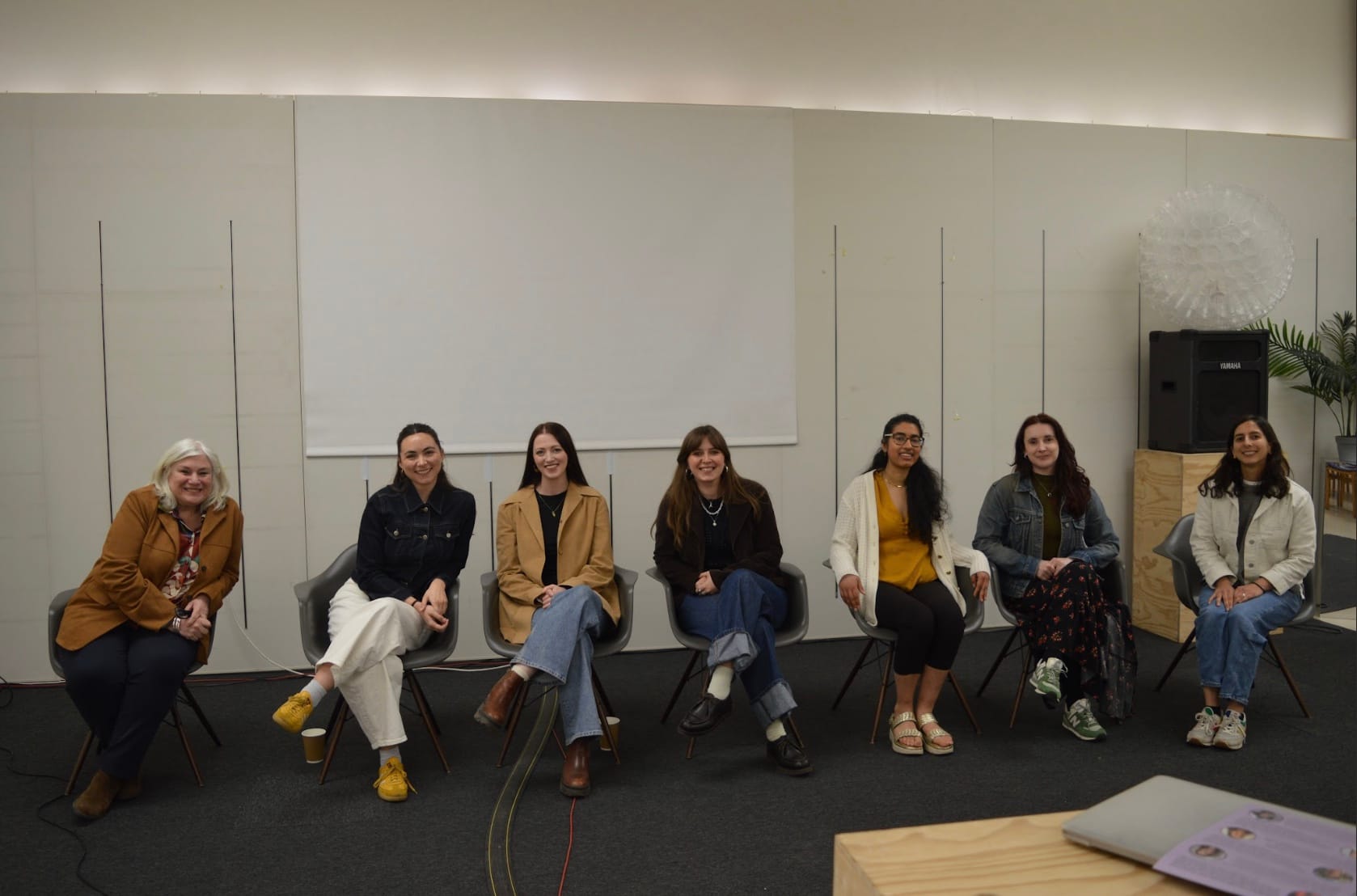
Next up was our first panel: Alex Berry (Subeditor at Radio Times), Sanjana Idnani (TV News Journalist at BBC Wales), and Helen Griffiths (Photographer, Writer, and Videographer).
Alex did a Masters in Magazine Journalism and then worked as a freelancer before landing her job at Radio Times. While she admitted that as a child she didn't dream of being a subeditor, Alex said that now she loves her job, and that it's her ‘dream job.’ Alex provided great interview tips including how you should always prepare more than you feel you need to, and follow up even if you are rejected. In fact, that's exactly how she got her current job!
‘We need to get more diversity in the newsrooms’
Sanjana’s key roles as a News Journalist are producing bulletins and sometimes reporting for the BBC. Sanjana explained that she was always drawn to reading and writing, but writing for both Epigram and Croft during her time at Bristol confirmed her career goals. Like Alex, she shared her interview tips: be yourself, know the content of the company you are interviewing for, and know who their audience is. She emphasised that you will learn from each interview, so note down questions that were asked and always have an example of something you are proud of. Sanjana also impressed on us that race and class remain underrepresented in newsrooms and the wider media industry. Explaining the importance of diverse perspectives in journalism, she said ‘we need to get more diversity in the newsrooms.’
Helen, as a freelancer, stated the importance of managing your own time and having self-motivation, but also how great it is to be your own boss. Her love for photography began when she was interrailing, and she was always the person on a night out with a camera – she also worked on her student newspaper and TV station.
‘I had no idea this job existed’
In the next panel we heard from Darcy Paver (Global Acquisitions Executive at BBC), Rachel Finn (Freelance Writer and Editor), and Alice Ferns (Illustrator).
Darcy was a great example of the range of jobs in media, saying ‘I had no idea this job existed,’ yet loving the career she is in now and stating how it was a lifelong dream of hers to work at the BBC. She mentioned how she believes being extraverted and chatty is such a valuable skill in the industry and it is not just about who has a Masters or who got that internship.
‘I never get bored, I'm not doing the same job all the time’
Rachel has been a freelancer for most of her career and noted that a key aspect of this is to build up relationships with different companies, working for a few at once to maintain regular work. She loves the diversity in her job, stating ‘I never get bored, I'm not doing the same job all the time.’
'There are so many jobs out their in the creative space'
Finally, Alice shared her experiences as an Illustrator. She believes her professional background (working in strategy for PHD students) helped her out a lot and one of her favourite parts of her career is that she gets to meet amazing female business owners. Summarising what WiM is all about, she said ‘there are so many jobs out their in the creative space’ and I hope all in attendance now realise how limitless the media industry is.
 Emma Coleman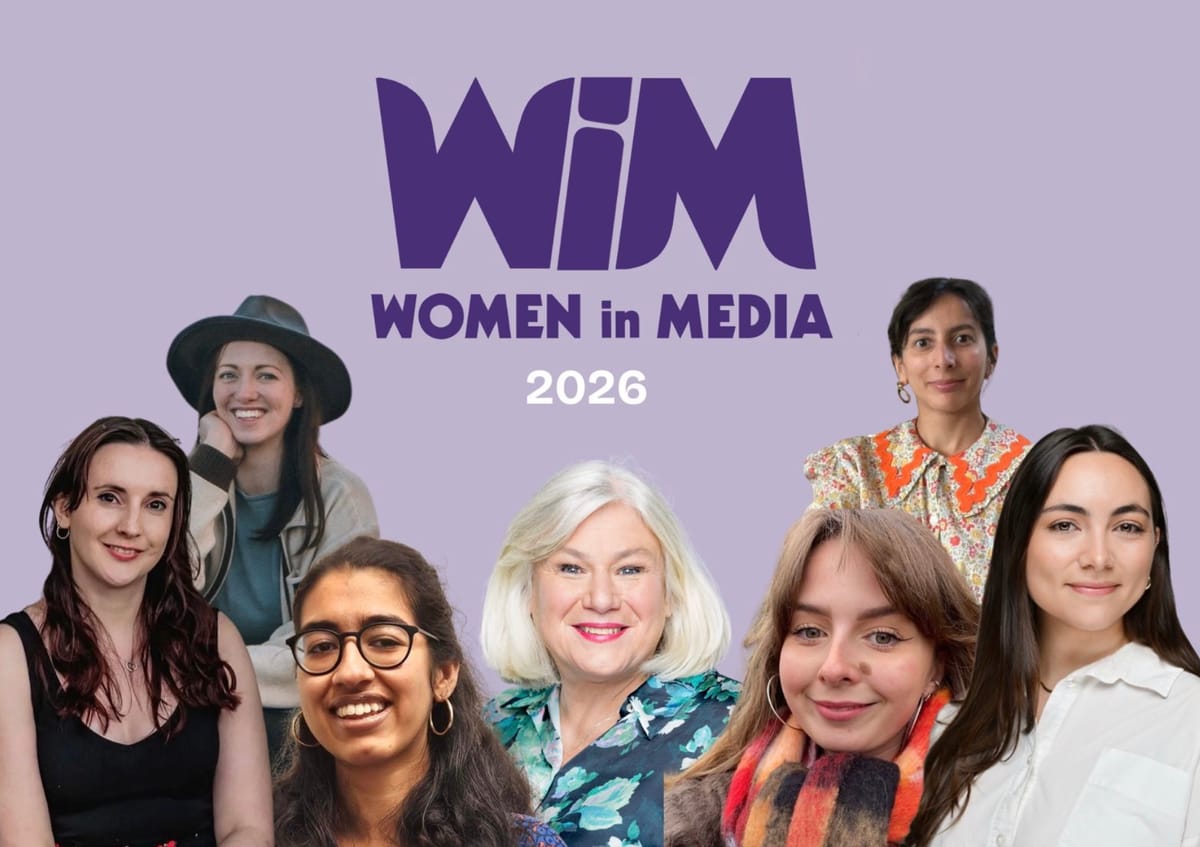
In our Q&A the speakers were asked whether it was worth doing an MA or an internship. Alex replied saying an internship was great for hands on experience, networking, and providing opportunities for specialisms. Sunjana recommended an apprenticeship as, although not guaranteed, you are likely to get offered a permanent job afterwards. Whilst they can make you stand out, Stephanie made sure to point out that there are so many other ways to get your foot in the door, so don't worry if you have chosen a different path. The freelancers also emphasised the important of LinkedIn and other social media to promote your portfolio.
Our key takeaways were that jobs are incredibly rewarding and our speakers genuinely love their work, and work experience/interview expertise is vital to achieve your dream career.
If you missed out, don't worry, we hope to see you at WiM 2027!
Featured Image: Epigram / Suzanne Célérier
Has WiM inspired you to pursue a career in the media industry?