By Toby Marriott, Third Year, History
With the help of ITV News, Bristol’s real tennis court has been put back on the map – here’s why you should consider it as your new Tuesday evening hobby.
Rarely will you come across someone in the WG waxing lyrical about their achievements on the real tennis court. That is probably because the game is unfortunately unknown to most people. There are only 45 courts worldwide - making the one in Bristol all the more unique. Yet the game boasts many secrets that make it far more interesting than its modern and rather monotonous cousin – lawn tennis. Whilst such a game now garners fame worldwide, it had to come from somewhere.
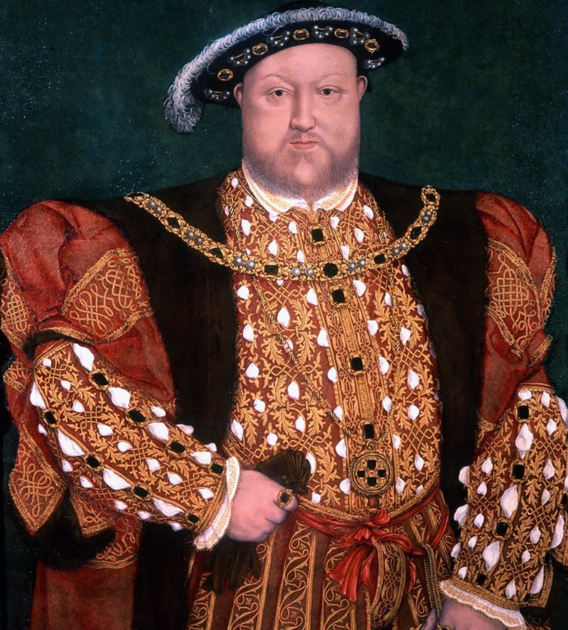
Real tennis, dating back to the 14th century, became famous in England under the notorious Henry VIII. The game attracted so much intrigue that his wife, Anne Boleyn, was gambling on a match when she was arrested for execution – reportedly complaining that she couldn’t collect her winnings. For history buffs, the French Revolution arguably began on a real tennis court in Versailles. How many sporting venues can claim to have inspired such revolutionary fervour? Shakespeare himself mentions it in Henry V, where the English king declares to the Dauphin that they “shall strike his father’s crown into the hazard” – but what is a “hazard” you ask? Well, the rules take some getting used to.

The scoring system and profile of the court will not be wholly unfamiliar to lovers of modern tennis. From there, its medieval idiosyncrasies take over. Serving and returning take place on certain sides of the court. The return side is called the hazard end due to the variety of targets to defend - who knew knowledge of a sport could help contextualise Shakespeare?!
To serve, the ball must bounce on the sloping roof but servers can stand from largely wherever they please. This gives rise to a multitude of serve types from different angles. A giraffe, caterpillar and boomerang all count as legitimate serve names. Angles continue to be important with the drooping net. Suddenly, there is much more jeopardy for hitting a shot down the line than cross-court - the game requires a constant risk assessment.
And yet, the game can be forgiving. The numbered lines embellishing the court are not there to stupefy the innumerate among us, but rather to judge the quality of a shot. If the second bounce of your ball lands on one of these lines, you get a second chance to win that point – a “Get Out of Jail Free” card in Monopoly if you will.
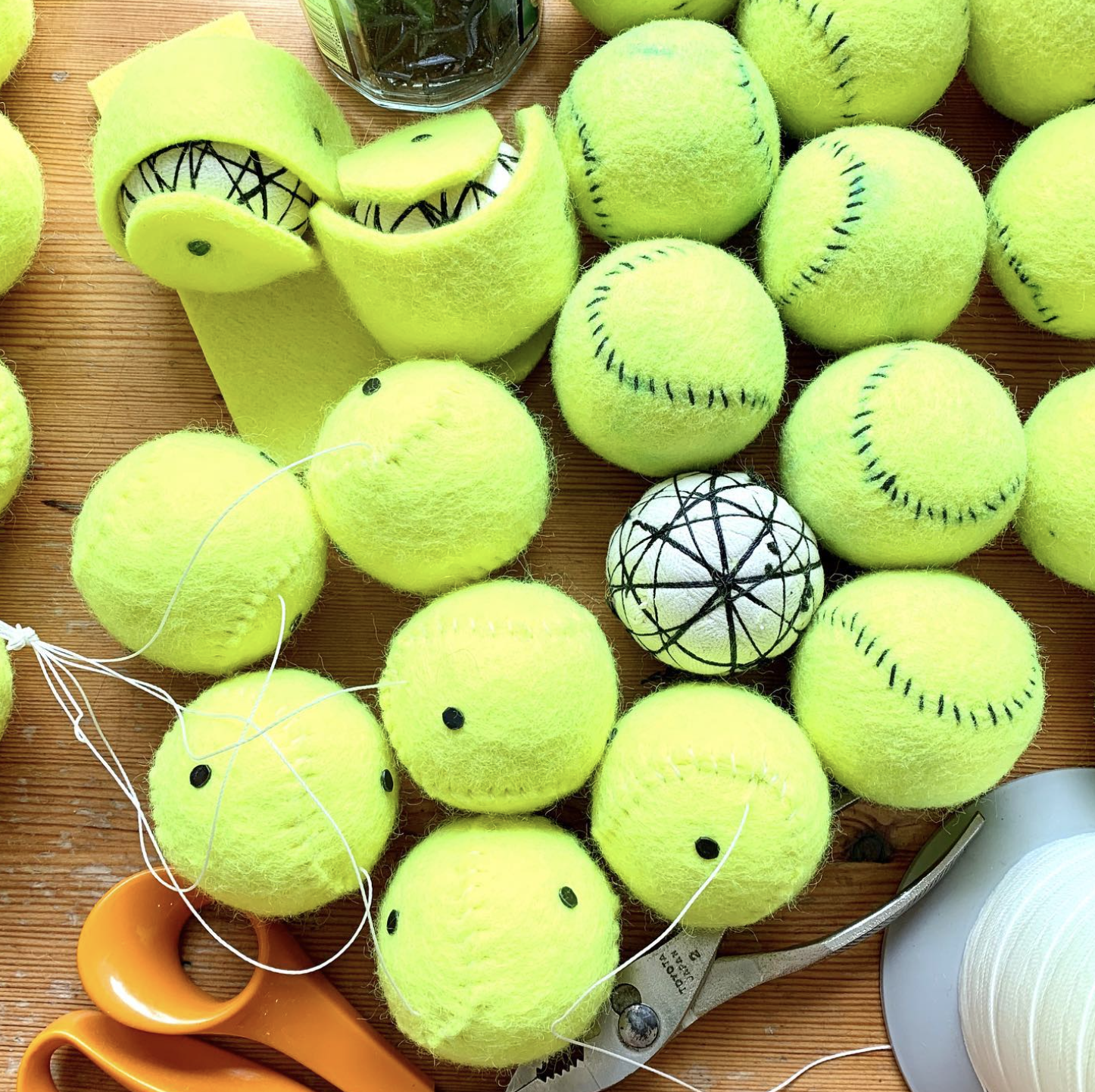
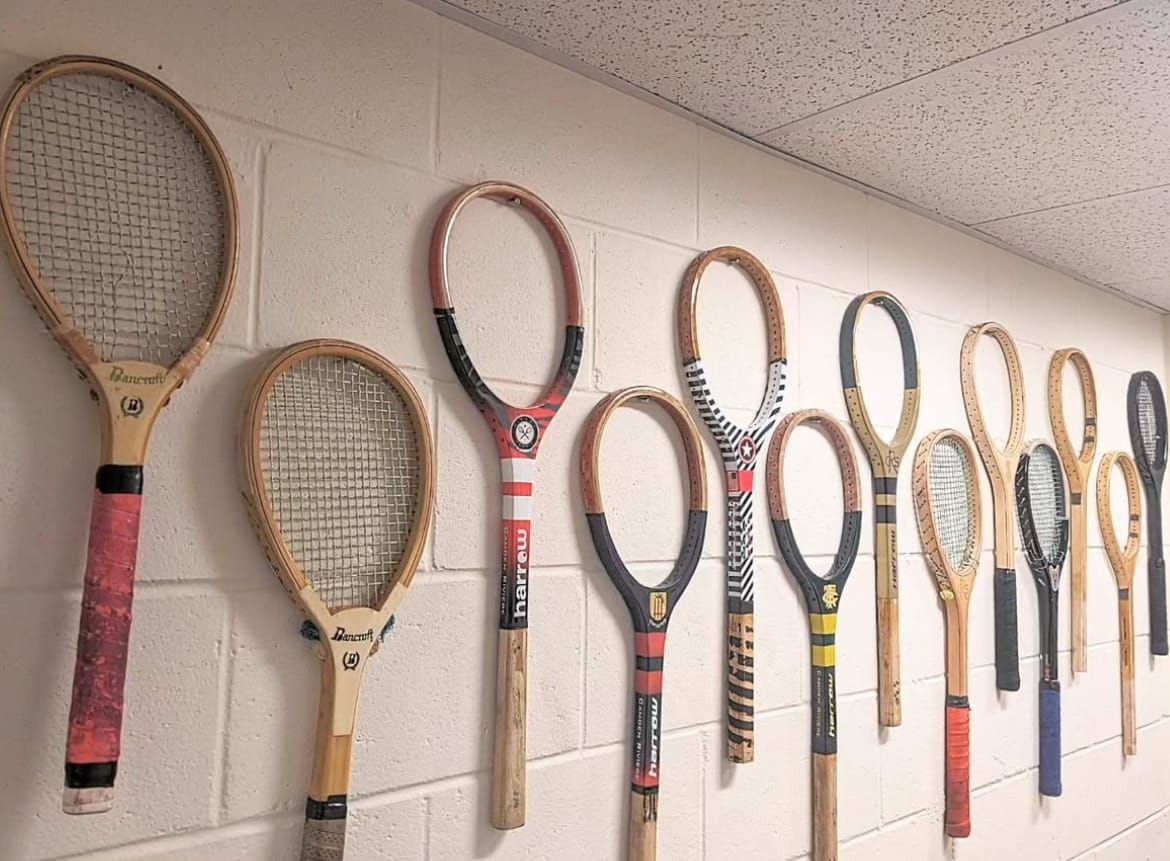
Now on to the balls. Their resemblance to modern tennis balls are deceiving. Every single ball in the world is handmade. The result is a skiddier and heavier ball, making the game more about timing than racket speed. Combined with the heavier racket can make the game hard to pick up immediately. Chris Ronaldson, former world number one, joked “it takes two years of playing to be hopeless”. But that is partly what makes the game so rewarding. The euphoria of crunching a forehand off your strings, with the same effort it takes to reach for a dropped pen, is what makes people hooked for life. As long-term player Eleanor told ITV “she had to learn to play or she would never see her husband”.
Whilst ITV’s clip may have also shown the Bristol members sipping champagne and being part of a certain balding demographic, the game is absolutely no longer exclusive to high society. Bristol has an increasingly strong youth programme and the handicap system means that anyone can have a decent game with anyone. Equally, handmade balls are the ultimate protest to the commercialised consumer culture that swamps us today. This is a game for the anti-capitalists among us – not just royalty.
We live in a world of uniformity. Whether it be carrots all exactly the same length or buildings looking identical. Real tennis with all its quirks is the antidote to this standardisation. Each court is truly unique with different angles, widths and diameters. One must adapt their game to the high bounce at Wellington or the narrow width at Oxford. Real tennis then is the truest celebration of individuality, something so many of us strive for in today’s saturated job market.
Ultimately, the game has changed little since Tudor times. Philosopher Roman Krznaric even likened it to a “prehistoric tree fern” that defies evolution. So, whether you love the thought of participating in a part of history, or want a new way to burn off those pints – one thing’s certain, this game is no ‘fad’. In fact, it will probably outlast us all.
With excellent student rates and absorbing views over suspension bridge on the way, why not pop over and give it a go.
Would you try out one of Britain's oldest sports?
Featured Image: Instagram / @camdenriviere