By Julia Mullins, co Editor-in-Chief
In 2021 Kira Goode graduated from the University of Bristol with a degree in Electrical and Electronic Engineering with Innovation, but, more importantly, she left university with the foundations of Eleria, a business offering a novel solution to menstrual cup cleaning.
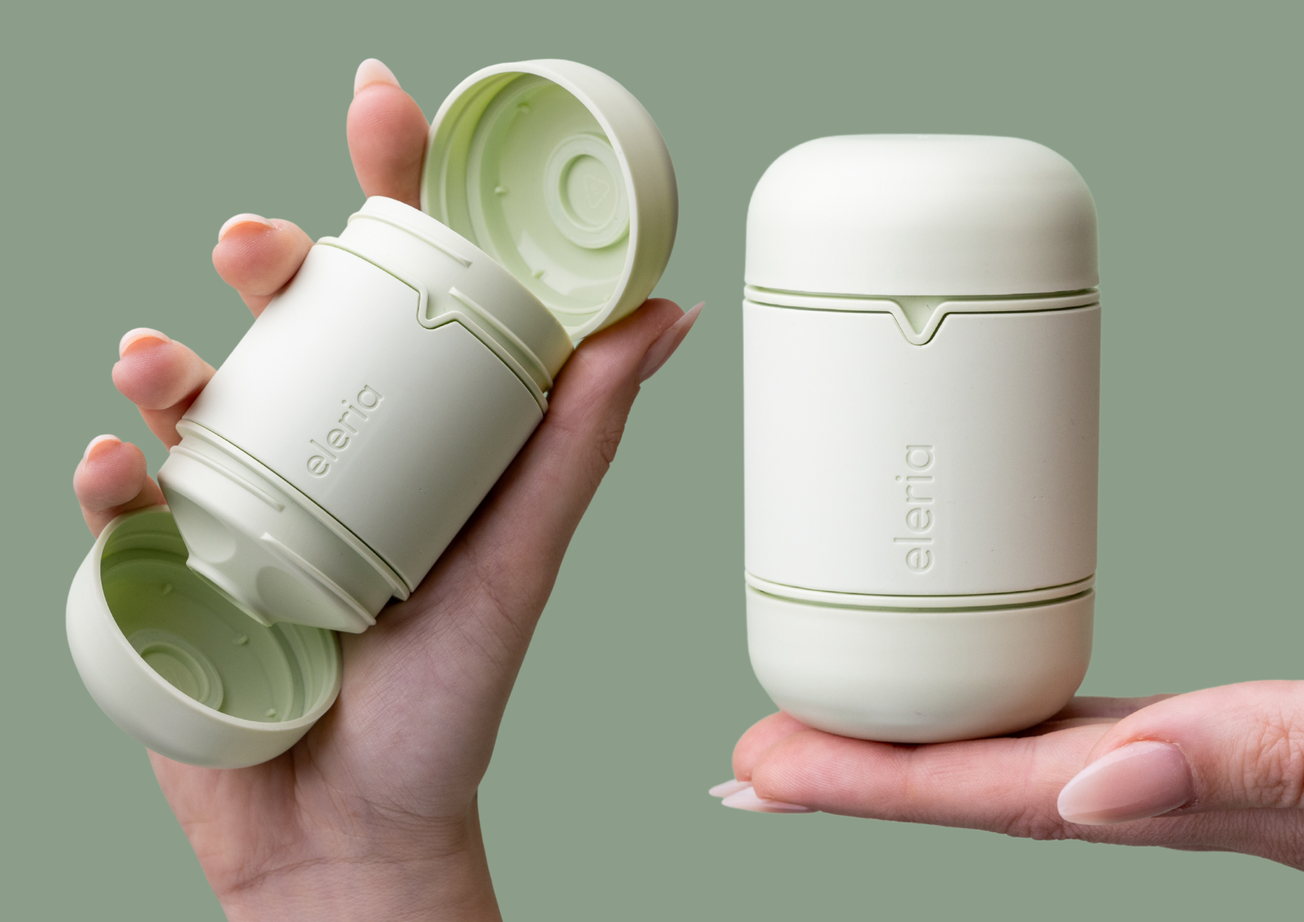
Menstrual cups are reusable alternatives to tampons and pads, making them more cost-effective and less wasteful. Kira, alongside her co-founder and COO, Monica Wai, has created a case to provide on-the-go cleaning and easy sterilisation. You don’t have to use a menstrual cup to imagine the inconvenience of needing to rinse it out in a public bathroom or, God forbid, a port-a-loo.
Eleria’s pop-up stall will run from 9am to 5pm on Thursday the 22nd of January, and will be hosted on Tyndall Avenue, in front of the indoor sports centre. Kira and Monica will both be there, selling their cleaning case and range of period cups, providing students with the chance to ‘come with your questions [and] take the quiz.’
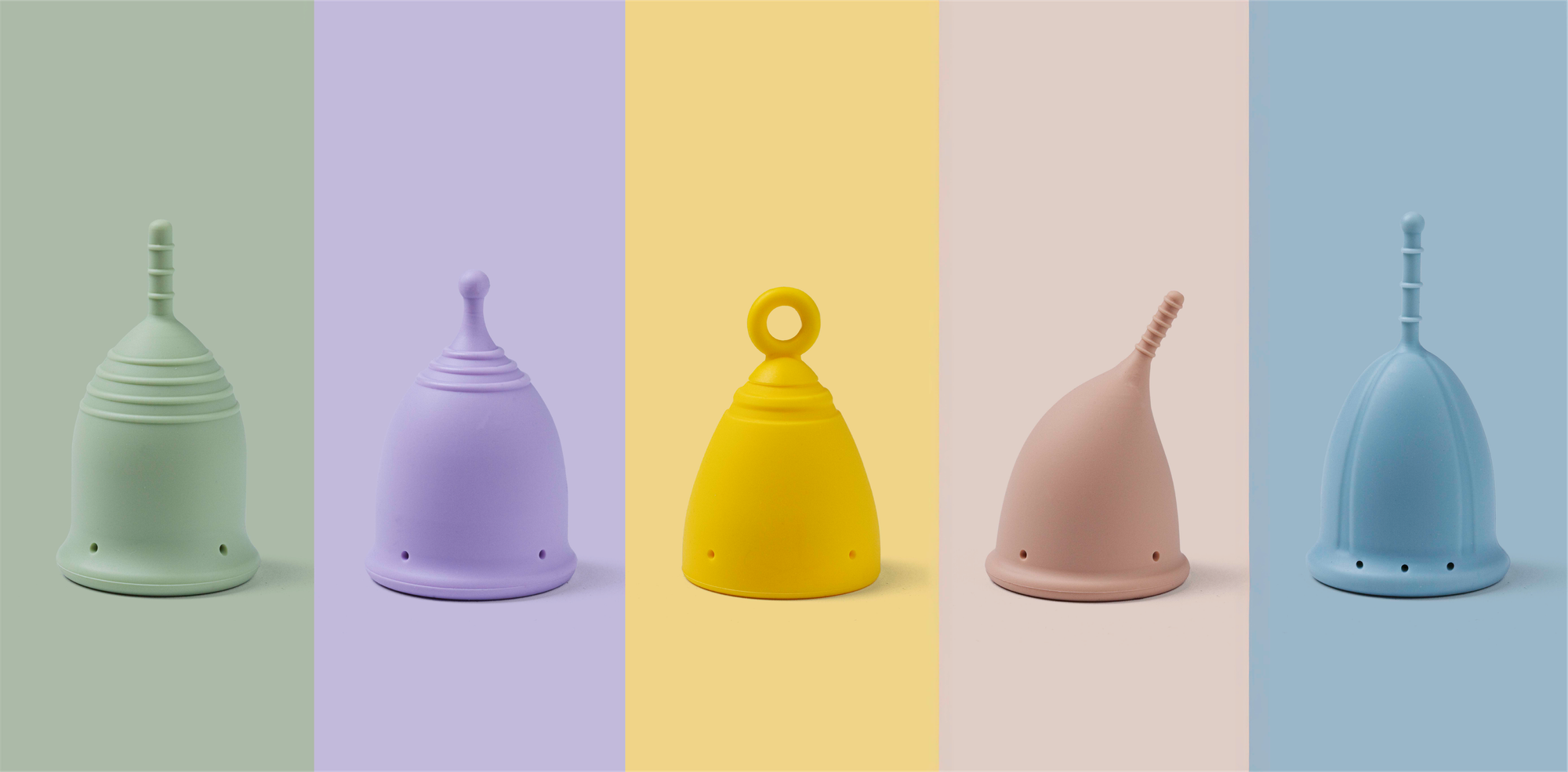
Their website features an interactive quiz, which suggests a best fit from Eleria’s five different shapes of menstrual cup – each with a defining pastel shade. Kira told me that they ‘might as well make it a little fun’ and so, in the same manner, the pop-up will offer the opportunity to test your luck, winning discounts on their prize wheel.
Kira said that the benefit of encouraging in-person conversations like these is that ‘people are more curious and willing to ask questions.’ She is of the opinion that ‘if you act and treat something like it’s a taboo topic, the people that you talk to will do the same.’
Both Eleria founders were in the second ever cohort of the elusively titled ‘Innovation’ course at the university. Describing it as a ‘playground to practice business,’ it seems the mantra of the innovation course that stuck with Kira was to ‘make things people want rather than make people want things.’
Eleria began as a research project in that innovation class to investigate the factors that underlie ‘why people don’t use menstrual cups.’ Using Kira’s social media following, their surveys reached a huge audience, providing a mandate for taking the project forward and developing a solution.
Currently, Kira’s combined following across social media stands at 994k. Kira admits that the Covid pandemic ‘massively skewed [her] career path,’ but that she was ‘probably one of the few people that massively benefitted,’ providing her the chance to strike out onto social media with creative content.
Kira attributes this entrepreneurial streak to a childhood of watching Dragon’s Den. I asked who her top dragon would be if they were pitching Eleria, and it should be no surprise that she said ‘Deborah Meaden.’
In their research, Kira found that ‘most people are not willing to give up their convenience for the environment,’ so the best way of marketing sustainable products is to emphasise their convenience to the consumer. ‘A win-win for everyone involved really.’
Kira is clearly someone who, like me, was immediately won over by the advantages of a menstrual cup:
‘I started using a cup and I always say that it’s so dramatic, but it really was like lifechanging for me, and so at that turning point I was like why is no one else using this?’
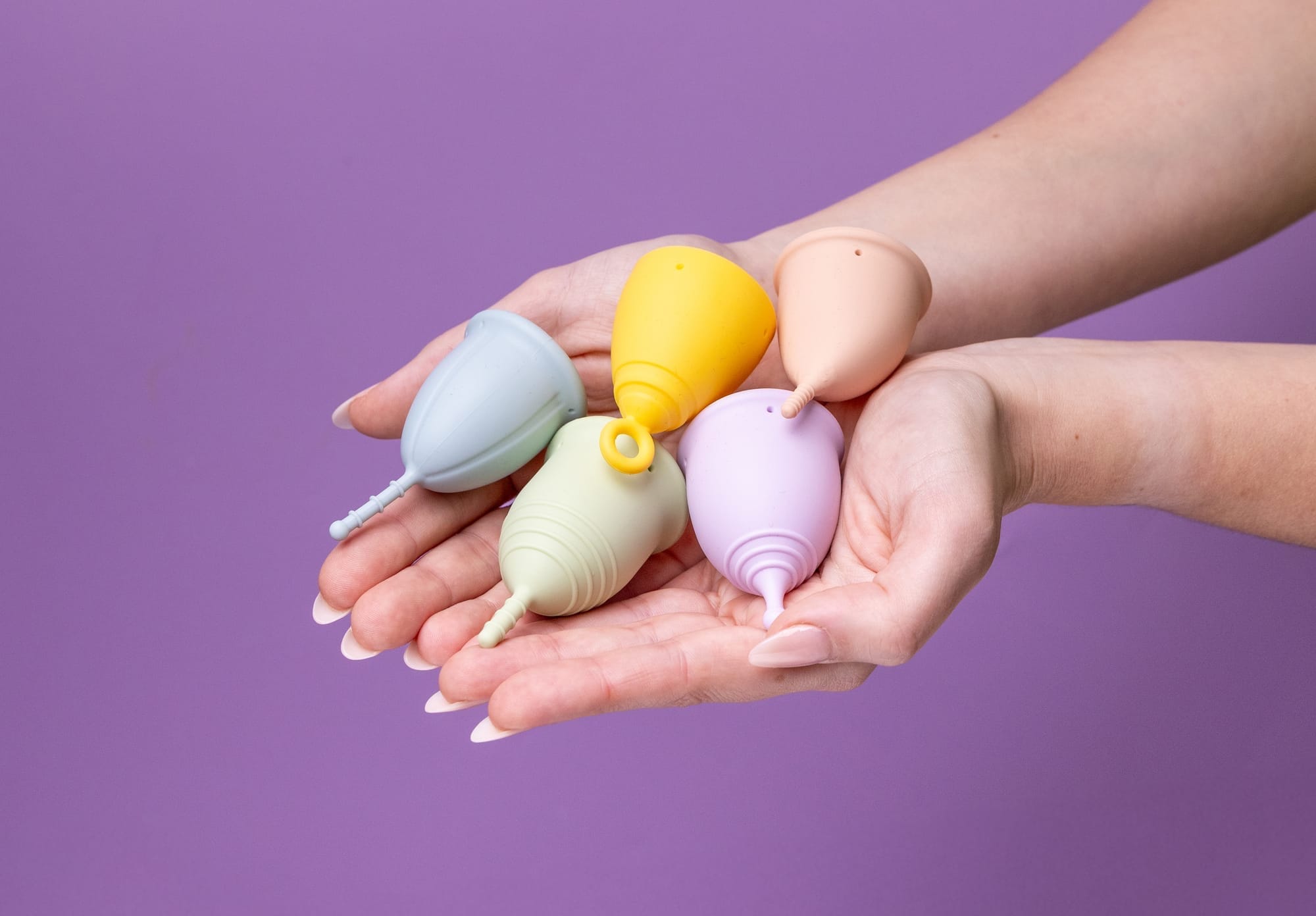
In 2025, Eleria launched a charity partnership with Period Friendly Places to share the lifechanging benefits of menstrual cups to those affected by period poverty. Period Friendly Places use donations to provide free period products across Bristol’s community venues – that way you know Eleria’s ‘Donate a Cup’ scheme directly supports someone local.
I asked Kira about her other inspirations in the women’s health industry and she mentioned another start-up, not only out of Bristol, but out of an innovation cohort, ‘the Peequal team’ who make women’s urinals. ‘They were the year above us at university and they’re doing amazing things in the festival space so we’re hoping we can learn from them a little bit for that.’
 Flossie Palmer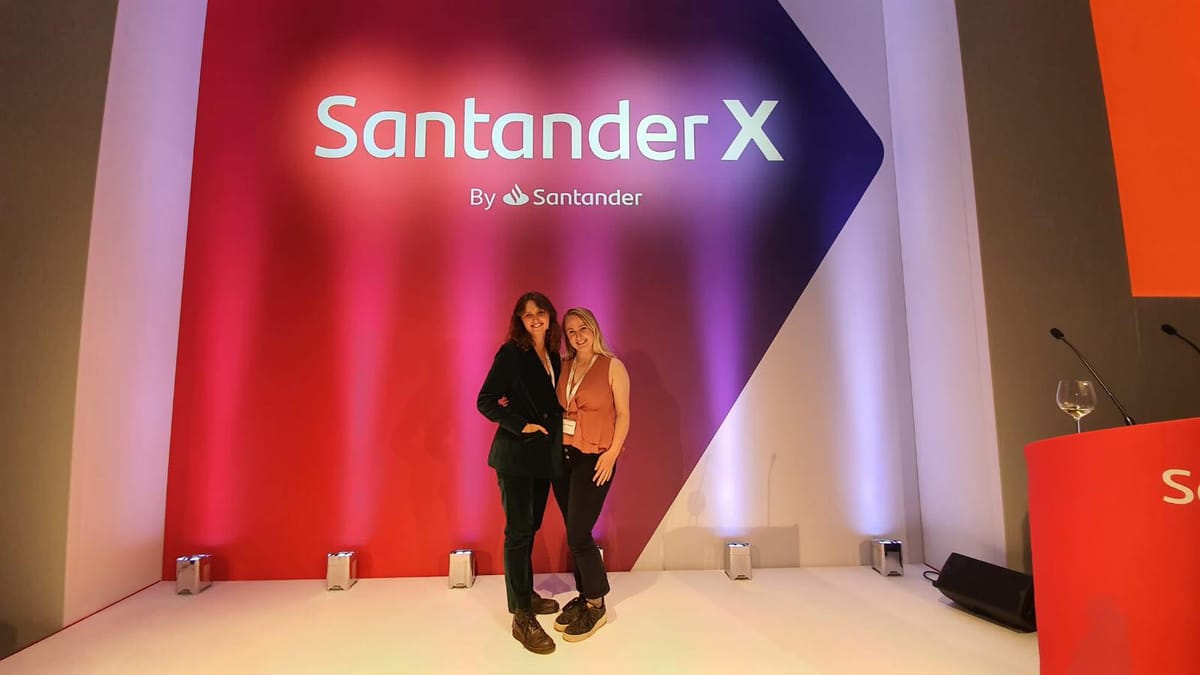
Clearly the innovation course has given Bristol some exciting new female founders and luckily for us Eleria are keen to strengthen their ties to the university and current students.
It does make you wonder what would happen if every student were offered a menstrual cup on arrival to university. Along with the usual freshers accommodation package of dominos vouchers, you could provide ten year’s worth of period care in a single cup.
Featured image: Eleria
Are you heading to the pop-up this Thursday?